The Trump administration is accused of numerous conflicts of interest amidst the FDA's reversal on new products.
June 18, 2026
Par: National Committee Against Smoking
Dernière mise à jour: June 15, 2026
Temps de lecture: 5 minutes
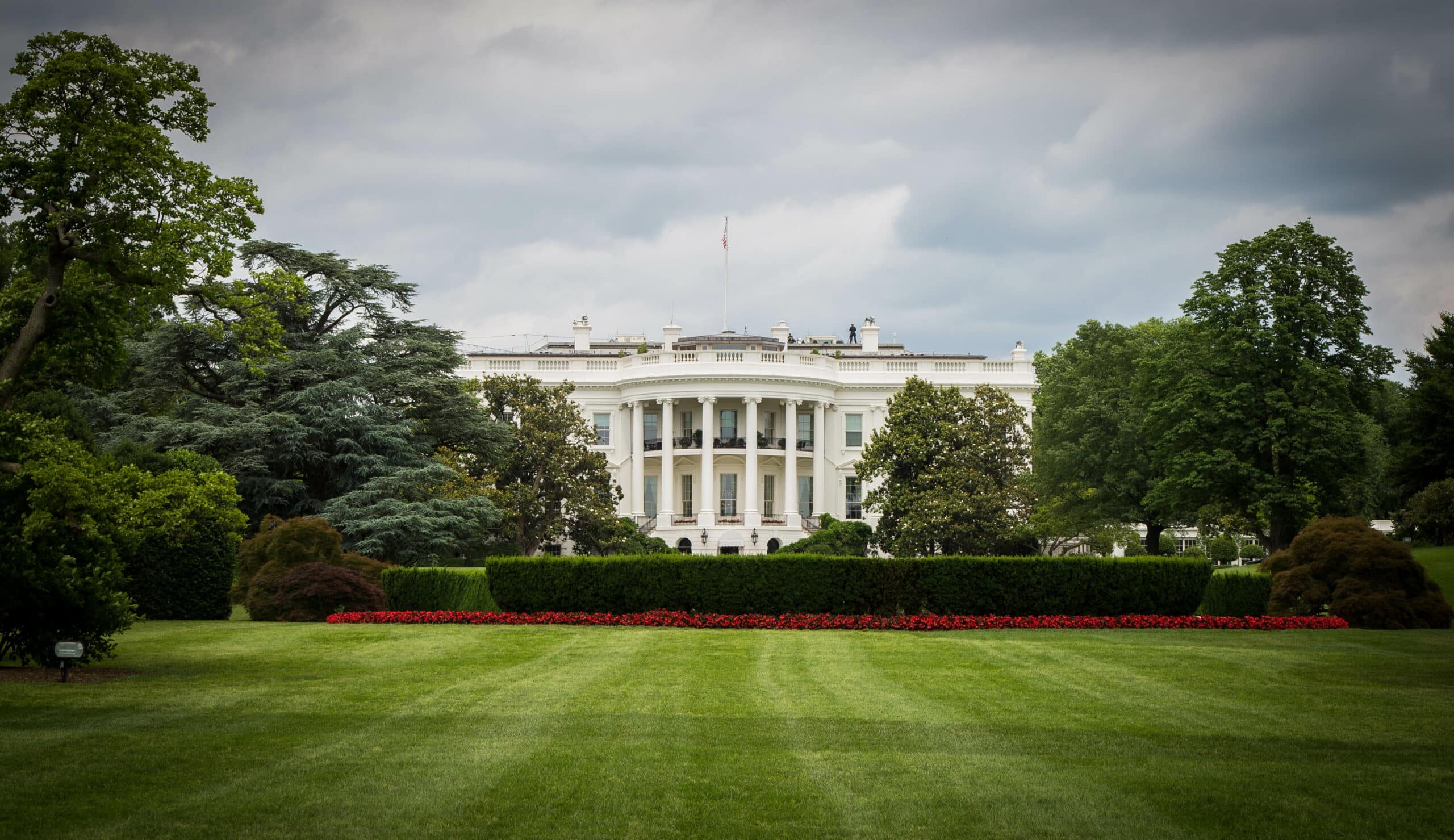
Donald Trump increased his investments in major tobacco companies and received numerous donations from them, while his administration adopted several measures favorable to new nicotine products, fueling suspicions of conflicts of interest.[1]. Between political donations, regulatory relaxation and weakening of tobacco prevention, the White House's decisions are drawing sharp criticism from Democratic elected officials and public health actors who are worried about the new directions of the Food and Drug Administration (FDA).
A policy favorable to new products, marked by conflicts of interest
President Donald Trump, who had claimed to have "« saved »"Flavored e-cigarettes, increased its investments this year in tobacco giant Philip Morris International, reaching approximately $1.64 million (€1.41 million) in shares. It also held shares in Altria and a third major company in the sector, although an apparent inconsistency in its financial statements makes it impossible to accurately assess the extent of these holdings.".
Meanwhile, representatives of the tobacco industry have paid over US$20 million (over €17 million) to MAGA Inc., the super PAC supporting Trump and his inauguration, since late 2023, including US$6 million (€5.1 million) in 2025. On April 30, 2026, Reynolds American, a subsidiary of British American Tobacco in the United States, manufacturer of Camel and Lucky Strike cigarettes and Vuse electronic cigarettes, paid $5 million (€4.3 million) to the MAGA Inc. political action committee. His ballroom project in the White House also revealed donations of an undetermined amount from Altria and Reynolds American.
At the same time, the Trump administration pursued a largely pro-tobacco and pro-nicotine policy, reducing staff, campaigns, and funding for tobacco prevention and control, and intensifying the crackdown on illicit e-cigarettes, particularly Chinese ones, which competed with major industry players who had financial ties to Trump. The FDA also launched an accelerated program for the approval of nicotine pouches, followed by another initiative to expedite the market entry of e-cigarettes. This approach culminated this year in guidelines facilitating the approval of flavored e-cigarettes, despite internal resistance within the administration and Several resignations of public health officials, including Marty Makary, commissioner of the Food and Drug Administration (FDA).
The White House has not commented on the president's investments or the donations from industry to MAGA Inc., simply stating that the administration's health policy is based on a "« reference science »Philip Morris, for its part, denies any direct link between its relations with the government and its public health activities.
The financial stakes are considerable, however, as new nicotine products often generate higher profit margins than traditional cigarettes. Philip Morris, for example, predicts that Zyn pouches will generate eight times more gross profit than its cigarettes, according to Goldman Sachs analysts in March 2025. In this context, FDA regulatory decisions are closely watched by investors, who see them as an advantage for major market players.
Concerned reactions from the opposition and public health
The combination of stock purchases, political donations, and regulatory decisions has fueled suspicions of conflicts of interest, especially since several Democratic officials and public health experts have denounced a relaxation of the rules deemed too favorable to nicotine product manufacturers. According to them, these decisions send a worrying signal: they believe the FDA has granted a "lucrative free pass" to the industry by excluding scientific evidence unfavorable to the products in question and by accelerating procedures in an irregular manner.
Brian King, former head of the FDA's tobacco office and today an executive at the anti-tobacco NGO Campaign for Tobacco-Free Kids, assesses the situation "« unprecedented and problematic »They believe it exposes the American population to increased risks, particularly nicotine addiction. Non-smokers, and especially young people, are the primary target of flavorings, which risks increasing their initiation and subsequent dependence. Health risks, although still poorly understood, also exist for these products.
According to Harold Wimmer, CEO of the American Lung Association, "« After years of acknowledging the dangers of flavored e-cigarettes for young people, it is deeply troubling to see the FDA ignore the scientific evidence and reverse its position. ".
Furthermore, in letters addressed to Reynolds American and Altria, a group of Democratic senators described this decision as "« carte blanche for addictive and harmful electronic cigarettes »They concluded that it would translate to "« a financial windfall after years of unsuccessful legislative and regulatory efforts aimed at weakening federal tobacco control »"Following recent revelations about Trump's financial situation and its influence on public health, some members of Congress are calling for the president to also be banned from investing in the stock market.
AD
[1]Darius Tahir, Trump Bought Tobacco Stocks and Raked In Industry Donations as FDA Eased Standards, KFF Health News, published June 11, 2026, accessed June 12, 2026