The tobacco lobby is blocking the ambitious revision of the European directive on tobacco taxation
June 12, 2026
Par: National Committee Against Smoking
Dernière mise à jour: June 9, 2026
Temps de lecture: 5 minutes
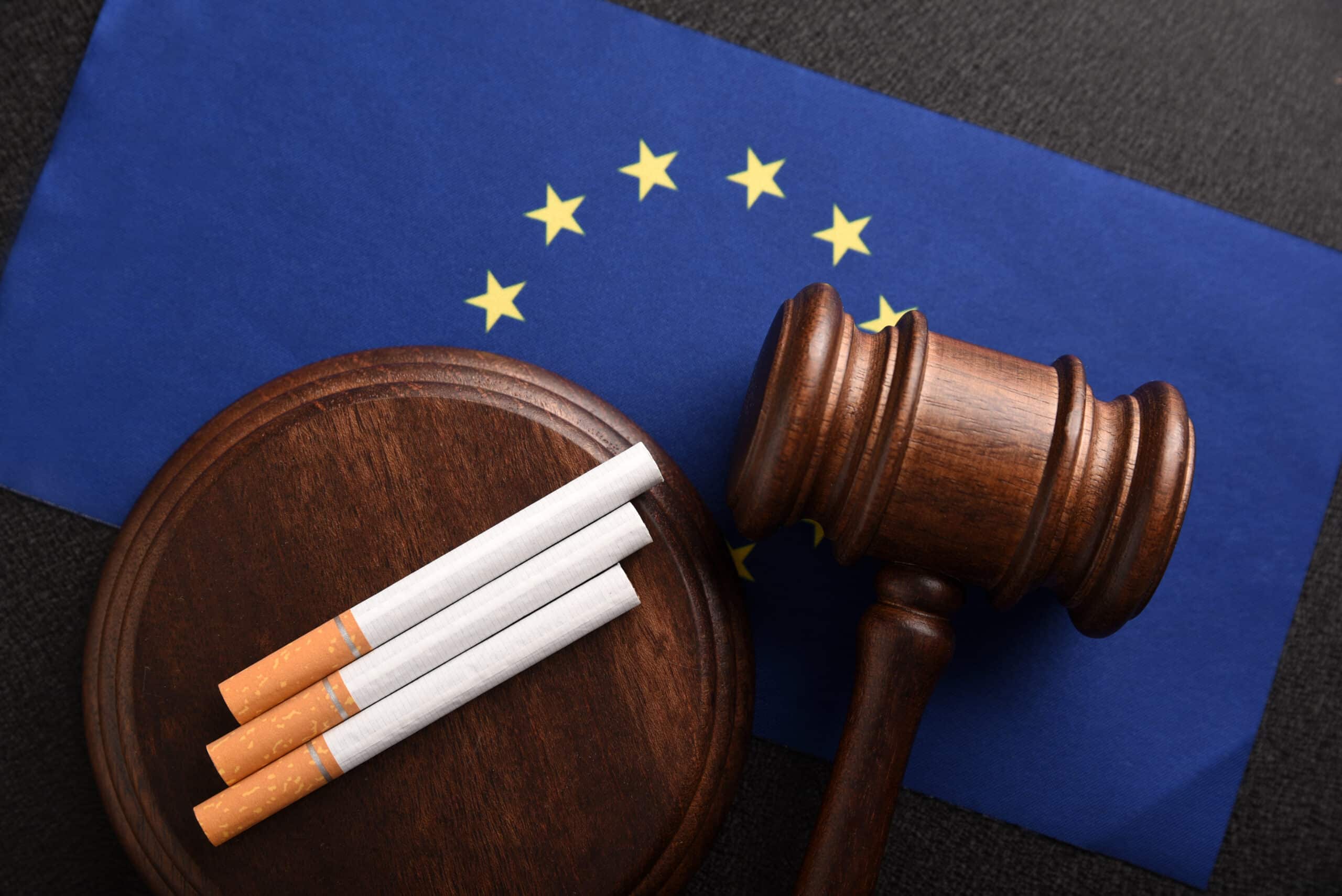
In early June 2026, the European Tobacco Tax Directive (TTD) underwent two changes criticized by tobacco control experts. Under the influence of strong industry lobbying, it was adopted in a watered-down version by the European Parliament's Committee on Economic and Monetary Affairs (ECON), while it was removed from the agenda of the Economic and Financial Affairs Council (ECOFIN) due to the lack of unanimous agreement among member states.[1].
A reform debated in the European Parliament, weakened compared to initial ambitions.
On June 3, 2026, the ECON committee adopted its report on the revision of the European directive on tobacco taxation (cigarettes, cigars, rolling tobacco, etc.), updated to also extend the tax rules applicable to tobacco to emerging nicotine products (electronic cigarettes, heated tobacco, nicotine pouches).
Members of the European Parliament supported a more gradual increase in taxes than that initially proposed by the European Commission, citing concerns about economic balance, product accessibility, and the risk of illicit market growth should taxes rise too quickly, potentially reducing public revenue and strengthening criminal networks. According to them, the central issue remains striking a balance between public health objectives, taxation, consumer protection, and the regulation of new nicotine products, in a context where any reform will require unanimous agreement from member states.
This position, influenced by arguments from the tobacco and nicotine industry, aims to weaken a measure recognized by the WHO as one of the most effective for deterring smoking initiation and cessation, but which could threaten industry profits. Socialists and Democrats in the European Parliament reacted to the Commission's agreement, accusing the European People's Party (EPP) of collaborating with the far right to dismantle public health measures.[2]. César Luena, the Progressive Alliance of Socialists and Democrats (S&D) negotiator in the European Parliament on tobacco taxation legislation, said the result was "« deeply damaging »"for public health and taxpayers, claiming that the only winners were the tobacco industry.
A deadlock at the Council has led to a postponement of the matter under the Irish presidency.
Furthermore, Sweden blocked the reform at the European Council, which aimed to increase taxes on cigarettes and extend taxation to new nicotine products. The country argues that these measures could weaken "alternatives" that have contributed to the decline in smoking within its borders. The issue will therefore not be examined at the ministerial meeting of June 12, 2026, and will be taken up by the Irish Presidency, which, unlike Sweden and Cyprus (the current Presidency of the Council), has been praised for its unwavering commitment to combating smoking and new nicotine products., as indicated by its ranking as champion of tobacco control in Europe in the latest Tobacco Control Scale.
Sweden is regularly cited as an "example" or even a "model" to follow, with one of the lowest daily smoking rates in the European Union, below 5% of the adult population. This result is attributed in particular by tobacco and nicotine lobbyists to the use of alternative products such as snus, which is tobacco just like cigarettes, as well as new products like electronic cigarettes and white snus, a local form of nicotine pouches.
However, public health experts point out that Sweden's good results stem not from a "harm reduction" marketing strategy but from progressive and ambitious public health policies, applying over the long term the recommendations of the WHO Framework Convention on Tobacco Control: advertising and promotional bans, a continuous and dissuasive tax policy, limiting the visibility and access to products in points of sale, protection of minors, development of smoke-free environments including in outdoor places, awareness campaigns, easier access to smoking cessation combined with genuine patient care, etc.
This Swedish narrative, on the contrary, serves manufacturers to promote their new products on the global market, in order to compensate for the decline in sales of traditional cigarettes. Around the world, governments such as those of New Zealand And of the United States, Those close to the industry use these arguments to justify the expansion of nicotine products.
AD
[1]Colin Stevens, Impasse in European Union Tobacco Tax Reform: The Swedish veto, EU Reporter, published on June 6, 2026, accessed on June 8, 2026
[2]Dimitris Papafotis, EU Tobacco Tax Talks Stall Over Swedish Opposition, NewsFire, published June 5, 2026, accessed June 8, 2026