Spain: Government approves major reform of anti-smoking law
July 24, 2026
Par: National Committee Against Smoking
Dernière mise à jour: July 23, 2026
Temps de lecture: 6 minutes
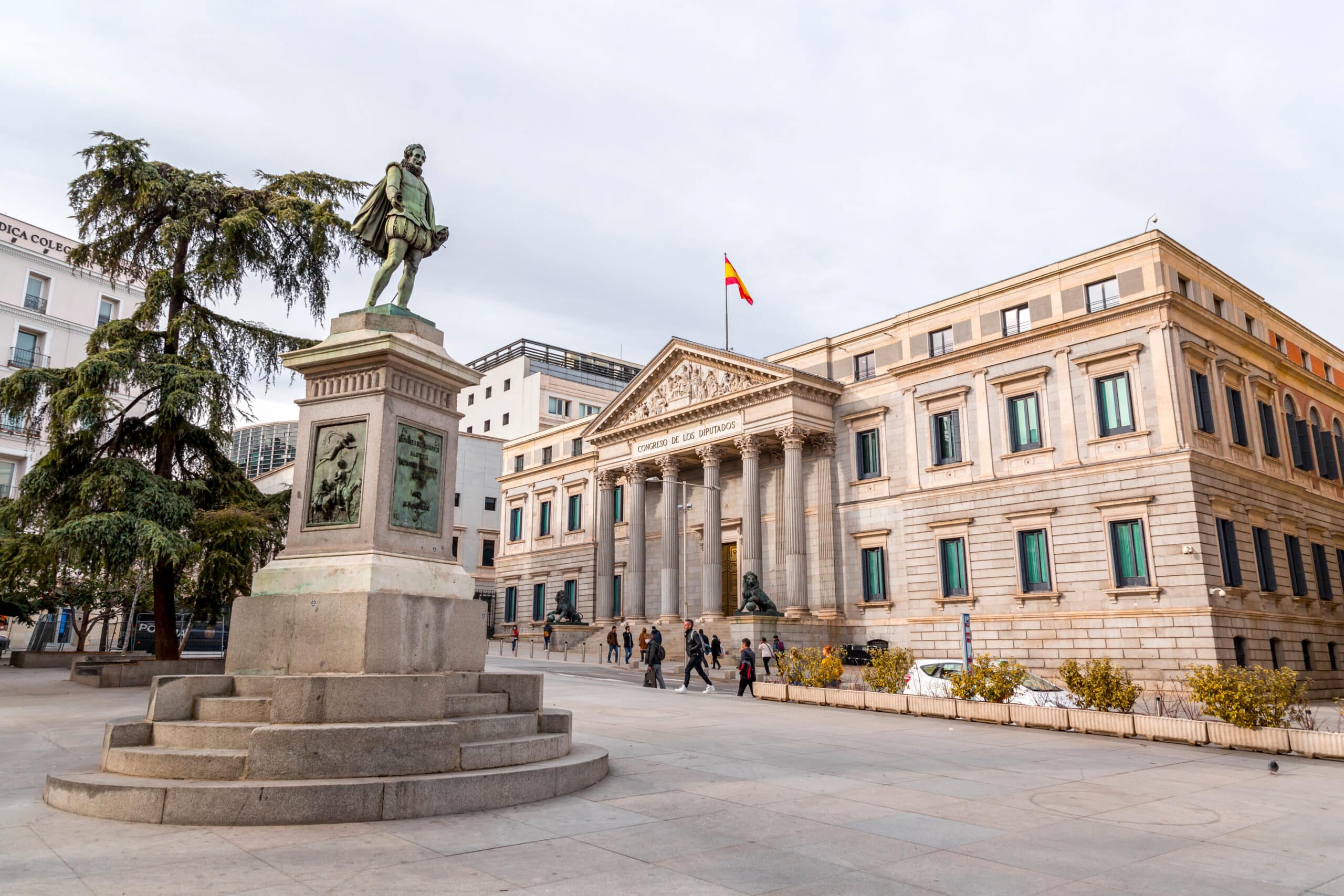
On July 21, 2026, the Spanish Council of Ministers approved a draft law extending smoke-free zones to terraces, beaches, public swimming pools, sports venues, and concert halls, while also subjecting e-cigarettes and other new products to regulations similar to those governing traditional cigarettes for the first time. Presented by Health Minister Mónica García as the most significant update to anti-smoking legislation since 2011, the reform is part of the Comprehensive Tobacco Prevention and Control Plan 2024-2027 and now awaits parliamentary approval, where its timeline and final content remain uncertain.[1].
A text that significantly expands tobacco-free and vaping-free zones
The bill revises regulations in place since 2005 to adapt them to the emergence of new products such as heated tobacco devices, e-cigarettes, nicotine pouches, and hookahs. It prohibits smoking and vaping on the terraces of bars and restaurants, on beaches, in municipal swimming pools, in stadiums, at concerts, and in other outdoor public spaces. Fifteen-meter smoke- and vaping-free zones are established around entrances to hospitals, schools, universities, public buildings, and playgrounds. The legislation also introduces, for the first time, an explicit ban on the consumption of tobacco products by those under 18: until now, Spanish law only prohibited their sale and supply to minors, without providing for specific penalties for their consumption. The law also prohibits smoking in a vehicle in the presence of a minor or a pregnant woman. Offenses are punishable by fines ranging from €30 to €600 for the most common infractions, up to €10,000 for repeat offenses, and up to €600,000 for illegal advertising or sales. The text, however, contains no tax provisions: the issue of raising tobacco taxes is not addressed. The bill must now be sent to the Cortes Generales (the Spanish Parliament), where amendments can be tabled before final adoption.
Public health organizations are calling for the swift adoption of a more ambitious text.
Several Spanish health associations welcome the progress of the text while calling for its swift transmission to Congress and its strengthening. Nofumadores.org[2] The association requested that the bill be sent to the Congress of Deputies "as early as the beginning of September" for swift parliamentary debate, urging the Health Committee not to block the text and the political groups to rediscover the consensus achieved during the previous legislation. The association hopes to see measures not included in the current text incorporated through amendments: the adoption of plain packaging for all tobacco and other nicotine products, a ban on disposable e-cigarettes, the removal of vending machines, and regulations on advertising in tobacco shops. The National Committee for Tobacco Prevention (CNPT/SLN-CNPT) and the Spanish Association Against Cancer (AECC) are making similar demands, advocating in particular for a tax increase to raise the price of tobacco, which is still considered low compared to the European average. These organizations are also calling for the extension of plain packaging to other non-medicinal nicotine products.
The restaurant sector, tobacconists and the tobacco industry announce their opposition
The hotel and restaurant sector, the tobacco industry, and e-cigarette manufacturers have joined forces against the bill and announced their intention to influence its review in Congress to obtain a softening of its provisions.[3]. Hospitality professionals are denouncing the ban on smoking on terraces, arguing that it would place Spain among the most restrictive European countries on this issue, particularly compared to France. They fear an impact on the country's tourist appeal. The Tobacco Mesa, for its part, contests the regulatory assimilation of conventional cigarettes, heated tobacco, and vaping products, demanding a differentiated approach based on the risks associated with each product. The Tobacconists' Union (Unión de Estanqueros) considers the text excessive regarding smoke-free and vaping-free areas and suggests waiting for the ongoing revision of European directives before legislating.
This power dynamic is taking place within a context where Spain remains ill-equipped to deal with the tobacco industry's interference in public policy development. According to the Tobacco Control Scale 2025 report[4], Spain scored zero points on the indicator measuring measures to protect against tobacco interference. These measures are stipulated in Article 5.3 of the WHO Framework Convention on Tobacco Control and its implementing guidelines. This low score for Spain is shared by the majority of Southern and Eastern European countries. The same report notes that a plain packaging project has already been delayed until 2025 due to lobbying by industry stakeholders, and places Spain 10th out of 37 European countries, with 54 points out of 100, far behind the top-ranked countries (Ireland, the United Kingdom, the Netherlands, and France). The disparities between countries are explained in particular by the continued low prices of tobacco and the absence of plain packaging for tobacco products. The bill risks being weakened when it goes before the Cortes Generales (Parliament), given the irreconcilable positions between the tobacco industry and its allies and public health organizations, and the significant disparity in resources between healthcare providers and the tobacco industry. Past lobbying efforts suggest similar attempts to influence the text, within a currently uncertain parliamentary timetable that makes reaching a political consensus on the issue more difficult.
AE
[1] Spain seeks to extend smoking ban to terraces, include vapes, Reuters, published on July 21, 2026, accessed on the same day
[2] Nofumadores.org called on the Gobierno to envy the new law of tobacco during the September 1st Congress, Democrata, published on July 21, 2026, accessed the same day
[3] Los estanqueros cargan contra la nueva Ley del tabaco por “excederse” con los spaces sin humo, Democrata, published on July 21, 2026, accessed the same day
[4] Joossens L., Abbink H., Roman E., The Tobacco Control Scale 2025 in Europe. Brussels: Smoke Free Partnership, 2026.
National Committee Against Smoking |