Sri Lanka, facing the high cost of smoking and the influence of the tobacco industry
January 12, 2026
Par: National Committee Against Smoking
Dernière mise à jour: January 9, 2026
Temps de lecture: 7 minutes
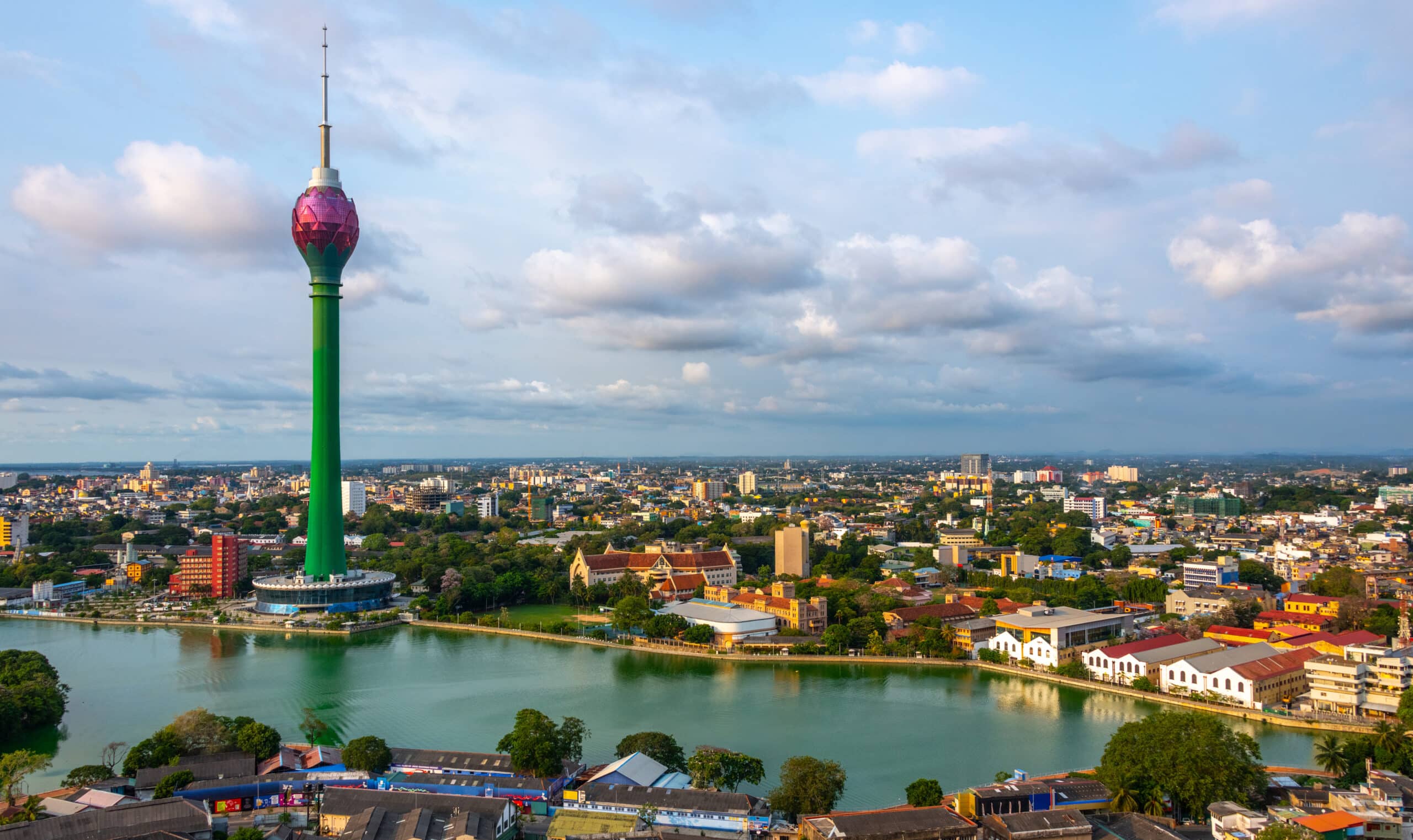
In Sri Lanka, tobacco use continues to have a significant negative impact on public health, the economy, and the environment. With nearly one in five adults smoking and tobacco linked to dozens of premature deaths daily, its annual cost is estimated at 241 billion rupees, or 1.5 trillion of GDP. At the same time, several reports highlight the tobacco industry's persistent influence on public policy, hindering the strengthening of tobacco control measures despite the country's international commitments.
The health, economic and environmental costs of tobacco are significant for the country.
19.4% of Sri Lankan adults use tobacco, representing approximately 1.5 million tobacco-dependent adults, with the prevalence being significantly higher among men (36.2% of men) than among women (4.9% of women).[1].
Daily spending on cigarettes amounts to nearly 520 million rupees (1.4 million euros), while tobacco is associated with nearly 22,000 premature deaths annually and is a major risk factor for non-communicable diseases, responsible for approximately 83.9% of premature and avoidable deaths in the country.
According to the Alcohol and Drugs Information Centre (ADIC), alcohol and tobacco consumption in Sri Lanka results in an estimated annual economic loss of 241 billion rupees (665 million euros), equivalent to 40 million of the public health budget and approximately 1.5 million of the gross domestic product (GDP). Furthermore, tobacco manufacturers in Sri Lanka are reaping substantial profits despite declining cigarette sales and consumption: in 2023, cigarette sales fell, but companies saw an increase in profits, attributed to cost-cutting measures. No new taxes were introduced in 2026 to discourage youth from starting to use these products or to encourage smokers to quit.[2], This raises concerns about the government's tax policy, which ADIC considers lax.
Tobacco is also an environmental scourge: according to Dr. Ananda Rathnayaka, chairman of the National Tobacco and Alcohol Authority (NATA) in Sri Lanka, approximately six million cigarette filters are discarded into the environment every day. This is one of the country's largest sources of non-biodegradable waste. The environmental damage caused by used cigarette filters is widely recognized.
Furthermore, tobacco does not fit into the circular economy, as no cigarette butt recycling system has been validated with regard to the energy and water resource consumption that this recycling requires and with regard to the toxicity of the products themselves.
In this regard, the progress made during the 11the Conference of the Parties (COP11) to the WHO Framework Convention on Tobacco Control (FCTC), which was held in Geneva last year, and in which Sri Lanka participated, are important.
The tobacco industry is deeply embedded in the economy and influences national health policy.
The Global Tobacco Industry Interference Index (GTIII) is updated every two years to monitor the implementation by public authorities of the practical provisions of Article 5.3 of the WHO Framework Convention on Tobacco Control (FCTC). This article constitutes a general obligation for all countries that have become Parties to this treaty and requires them to protect health policies from any interference by the tobacco industry.
The 2025 edition, which assesses 100 countries (1 point being the best score and 100 the worst), places Sri Lanka at 45the ranking, with a decline in its score since 2023[3].
The tobacco industry, and in particular the Ceylon Tobacco Company (CTC), wields increasing influence that weakens public health protection mechanisms. Conflicts of interest among public officials weigh heavily on decision-making: for example, in September 2022, the chairman of the CTC also headed the State-owned Enterprise Restructuring Unit at the Ministry of Finance and was responsible for corporate social responsibility (CSR) initiatives promoted by industry players. Meanwhile, long-term collaboration exists between the government and the industry for forest conservation – the Sri Lankan Department of Forest Conservation has worked with the Ceylon Tobacco Company to restore degraded forest land in Dambulla.
However, these actions are essentially designed by tobacco industry players with a view to restoring their severely damaged image and preventing the adoption of measures that would harm their interests.
Furthermore, the destruction of seized illicit cigarettes is entrusted to Ceylon, which thus positions itself as a victim of the illicit trade, even though the tobacco industry is regularly accused by NGOs and the WHO of contributing to the illicit trade and deriving indirect profit from it. The very act of delegating this specific task to the tobacco industry constitutes a violation of Article 5.3 of the FCTC, as it makes it a decision-maker in tobacco control policy.
This influence is used by the industry to weaken anti-smoking legislation.
At a press conference in Colombo, the capital, Dr. Sajeeva Ranavira pointed out that there had been a reduction in taxes on cigarettes since 2021, while one of the key measures of the WHO Framework Convention on Tobacco Control (FCTC) is precisely the significant and repeated increase in taxes on all tobacco and nicotine products. These increases effectively reduce the accessibility of these products, encourage smokers to quit, and contribute to financing the healthcare system and public health policies.
While the industry argues that higher taxes fuel smuggling, official Sri Lankan customs data shows that the volumes of cigarettes seized do not support the industry's claims that high taxes are a direct factor in smuggling.. This industry argument, deployed everywhere including in France, with the aim of blocking ambitious public health measures, is regularly highlighted in scientific publications and by those involved in the fight against tobacco. In France, On the occasion of its 5.3 awards ceremony for public policies free from lobbying and tobacco, the CNCT organized a symposium on this subject..
GTIII 2025 also revealed that Sri Lanka is one of seven countries that have postponed the implementation of their standardized packaging law.
In addition, the ban on the sale of flavoured cigarettes in Sri Lanka was allegedly violated by the industry, leading the National Tobacco and Alcohol Authority to file a complaint against the Ceylon Tobacco Company in the districts of Matara, Anuradhapura and Colombo.
ADIC therefore called on policymakers to prioritize public health over commercial interests, in accordance with Article 5.3 of the FCTC. The organization calls for accelerating the implementation of long-delayed tobacco control policies and actively identifying and preventing all forms of tobacco industry interference in order to protect future generations.
AD
[1]Economic loss from tobacco and alcohol amounts to LKR 241 billion yearly, Daily Mirror Online, published on January 8, 2026, accessed the same day
[2]Dhanushka Dharmapriya, Environmental concerns: NATA pushes to ban cigarette filters, The Morning, published January 1, 2026, accessed January 8, 2026
[3]Assunta M., Global Tobacco Industry Interference Index 2025, Global Center for Good Governance in Tobacco Control (GGTC), published in November 2025, accessed on January 8, 2026
[4]Mangala Pavithrani and Poojathmi Rivithma, Tobacco industry influence in Sri Lanka rises: Global Index 2025, Daily Mirror Online, published on January 7, 2026, accessed on January 8, 2026