European tobacco reform: a new obstacle in a context of industry lobbying
November 21, 2026
Par: National Committee Against Smoking
Dernière mise à jour: November 17, 2026
Temps de lecture: 7 minutes
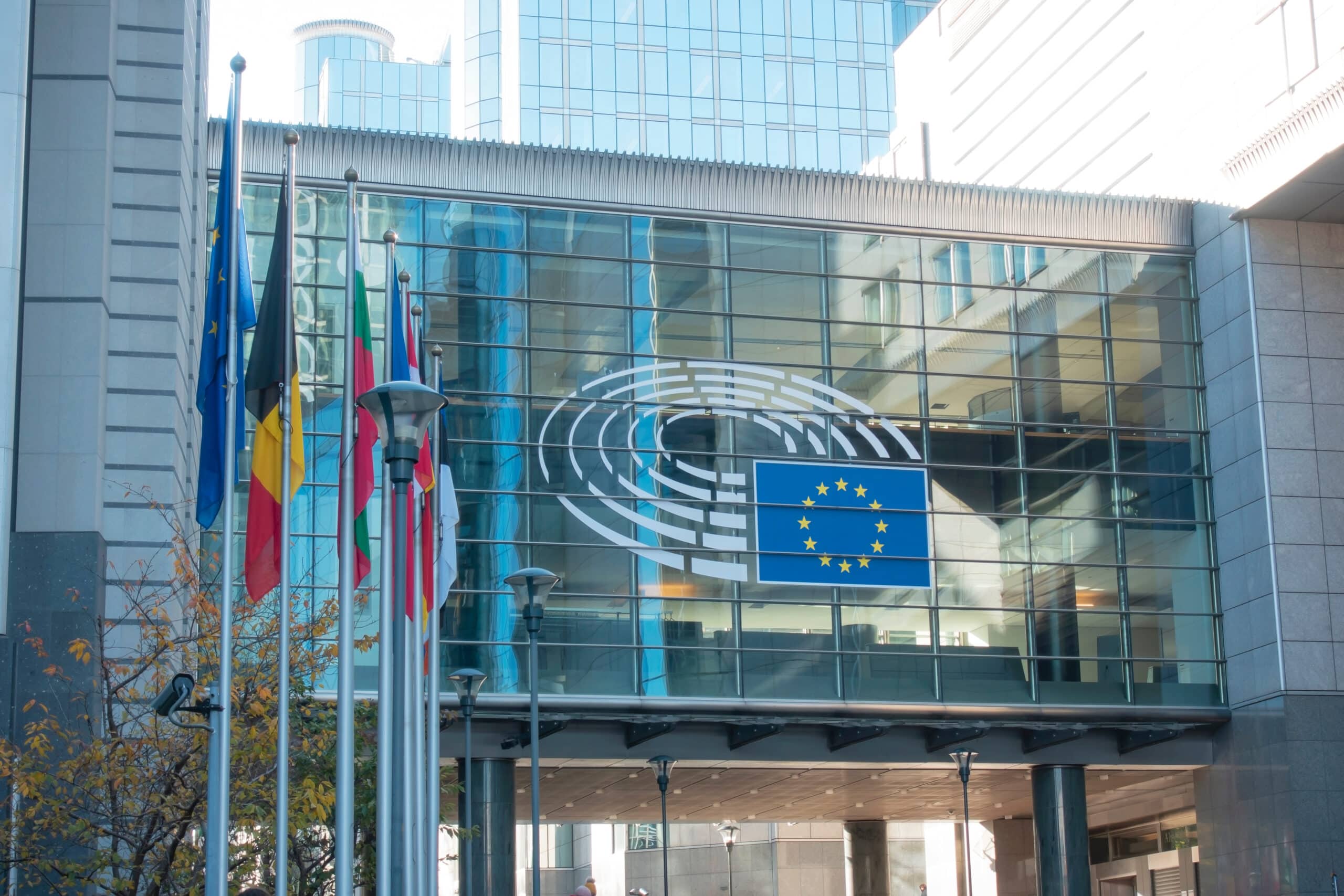
The reform of European regulations on tobacco and nicotine products is encountering an obstacle within the European Commission itself.[1]. The Regulatory Scrutiny Board, an independent body responsible for assessing the quality of analyses in preparation for legislative initiatives, issued a negative opinion on November 9, 2026, regarding the impact assessment of the proposed new restrictions on electronic cigarettes, heated tobacco, and nicotine pouches.
This decision requires the Commission's services to revise their analysis before proceeding with the ordinary legislative procedure. It could delay the presentation of the reform, initially expected before the end of 2026, until 2027. However, the European Commission has not officially confirmed this postponement.
Criticisms focused on the quality of the impact assessment, not on the principle of the reform.
The Regulatory Review Committee is attached to the Secretariat-General of the European Commission, but is independent in its opinions. Composed of nine members, including four external experts, it examines impact assessments of new legislative initiatives as well as certain evaluations of existing regulations. In particular, it verifies the soundness of the scientific data, the justification for the proposed measures, and the analysis of their economic, social, and environmental consequences.
The negative opinion issued on November 9th concerns the assessment prepared by the Directorate General for Health and Food Safety (DG SANTE). The criticisms focus in particular on the scientific justification for certain restrictions, their proportionality, their economic and social consequences, and their interaction with tobacco taxation. This opinion does not constitute a rejection of the reform nor a questioning of the health risks associated with the products concerned. It addresses the quality of the analyses used to justify the proposed measures. As the full text of the opinion has not yet been published, its specific objections remain to be confirmed.
The Commission must now revise its assessment and resubmit it to the Committee. A second negative opinion on the same impact assessment would jeopardize the continuation of the ordinary procedure and would require an exceptional political decision from the College of Commissioners. This negative opinion is part of a series of reservations expressed by the Committee regarding the Commission's preparatory work on tobacco. A previous opinion, issued in 2025, concerned a different assessment exercise.
A previous negative opinion on the evaluation of existing guidelines
This is not the first time the Regulatory Review Committee has expressed reservations about the European Commission's preparatory work on tobacco. In December 2025, it had already issued a negative opinion, officially published in April 2026, on the evaluation of the then-current European directives. This opinion highlighted, in particular, shortcomings in the interpretation of certain scientific data, the analysis of the effects of the legislation, and the consideration of national policies influencing consumption.
The two opinions, however, concern different documents: the first related to the evaluation of existing regulations, while the one of November 9th concerns the impact assessment of the future reform. Their procedural consequences also differ: a negative opinion on the evaluation of existing legislation does not necessarily prevent its publication, unlike a negative opinion on the impact assessment of a new initiative, which requires a revision before the ordinary procedure can continue.
Regulatory adjustments that address certain industry demands
The proposed adjustments suggested by the European Commissioner for Health, Olivér Várhelyi, could also align with several positions advocated by the tobacco industry. Among the changes under consideration are greater flexibility for Member States regarding plain packaging, as well as a differentiated approach depending on the product, particularly for nicotine pouches and e-cigarettes. Restrictions on flavorings could also be subject to additional requirements for justification.
These guidelines echo several arguments regularly used by manufacturers and industry stakeholders: the need to differentiate risk levels among nicotine-containing products, the consideration of the economic consequences of the new measures, and the advocacy for regulations that give Member States greater flexibility. While these points of convergence alone do not establish direct industry influence on the Commission's work, they nevertheless raise questions about the weight given to these arguments in the preparation of the reform, especially since the tobacco industry is not supposed to be involved in the development of public health policies according to the Framework Convention on Tobacco Control (FCTC), which the European Union and all Member States have ratified.
A lobbying strategy aimed at slowing down and weakening European reforms
Slowing down regulatory initiatives has long been a key element of the tobacco industry's influence strategy. At the European level, this includes delaying the adoption of new health measures, limiting their scope, or obtaining exemptions for certain products. This strategy also involves using economic arguments, highlighting alleged scientific uncertainties, and challenging public policy development processes.[2].
The negotiations surrounding the Tobacco Products Tax Directive (TPD) illustrate this desire to influence the European regulatory timetable. The industry has notably advocated linking the revision of this directive to that of the Tobacco Products Directive (TPD), arguing that no health reforms should be implemented before the tax issue is resolved. Such an approach contributes to delaying discussions and complicating the adoption of new measures, while the European Commission aimed to present a proposal for revising the TPD by the end of 2026.
In this context, the new negative opinion from the regulatory review committee could provide the industry with further leverage to slow down the legislative process. While a direct link between this opinion and industry intervention cannot be established, its potential consequences could serve the interests of those seeking to delay or weaken the strengthening of European regulations on tobacco and nicotine products.
AD
[1]Carmen Obregón, Please note the restrictions of the new tobacco directive, Demócrata, published on November 16, 2026, accessed the same day
[2]Smith KE, Fooks G, Collin J, Weishaar H, Mandal S, et al., “Working the System”—British American Tobacco's Influence on the European Union Treaty and Its Implications for Policy: An Analysis of Internal Tobacco Industry Documents, PLOS Medicine, published January 12, 2010, accessed November 16, 2026