Malaysia: Liquid nicotine reclassified as a poison, doctors call for a ban on vaping
November 17, 2026
Par: National Committee Against Smoking
Dernière mise à jour: November 12, 2026
Temps de lecture: 6 minutes
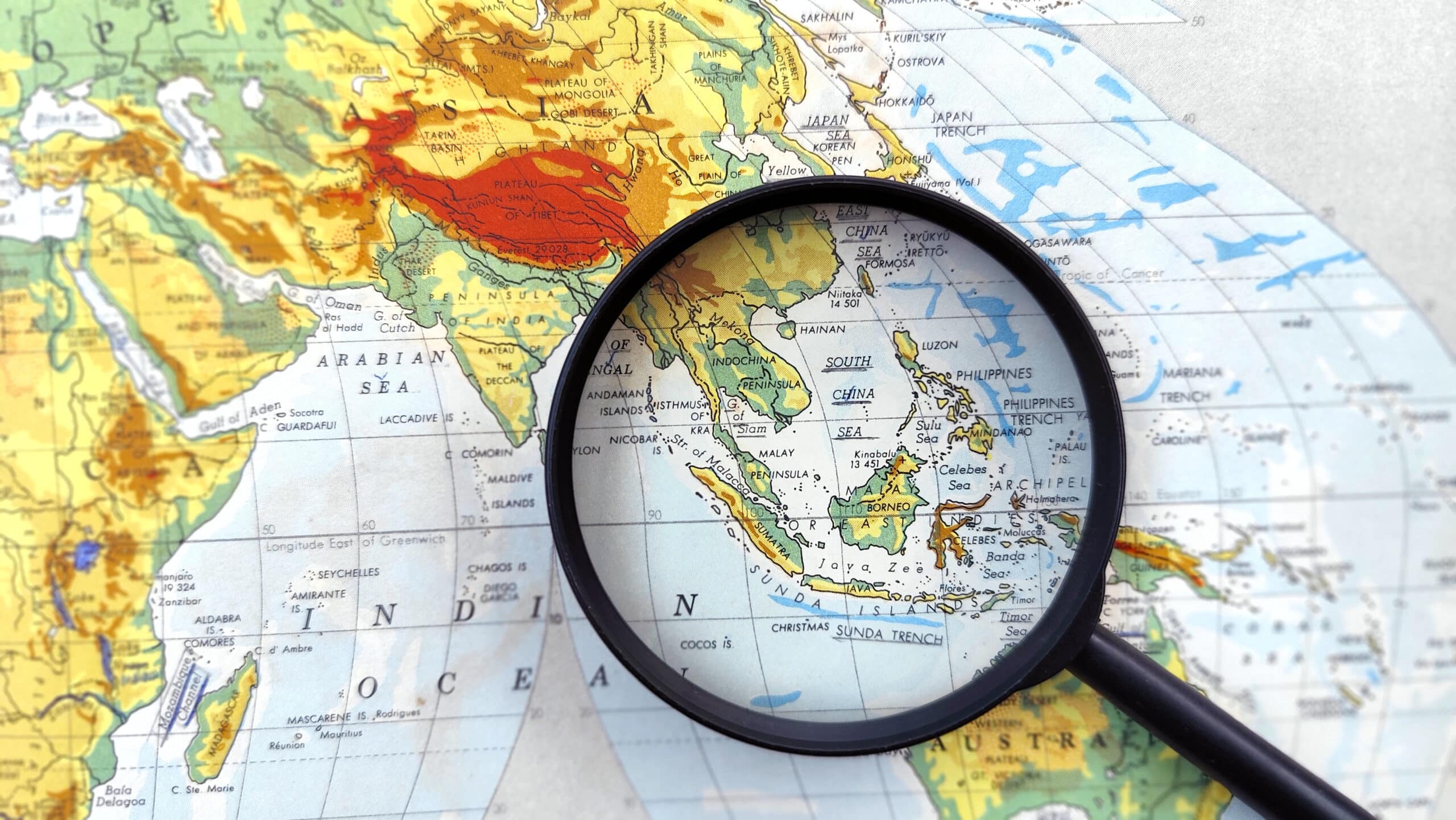
In Malaysia, liquid nicotine used in e-cigarettes has once again been classified as a poison under the law. In May 2026, the courts overturned the 2023 ruling.[1] which had removed it from the official list of poisons. Health Minister Dzulkefly Ahmad confirmed this on November 5th before Parliament. However, this confirmation of its poison status may only be temporary. The Ministry of Health is considering removing liquid nicotine from this list again, and the Poison Board, the advisory body responsible for this list, has reportedly given its approval, according to the Malaysian press. Doctors, pediatricians, anti-smoking groups, and several members of parliament oppose this. They are calling on the government to honor its commitment to ban vaping nationwide.
A poison status reinstated by the justice system
In Malaysia, the Poisons Act of 1952 lists substances whose sale is strictly regulated. Nicotine is included. Its retail sale is therefore, in principle, reserved for pharmacists and doctors for medical treatment. Only tobacco products, which are subject to specific regulations, and, since 2022, nicotine replacement therapies used to quit smoking, are exempt from this rule. In 2023, the then Minister of Health, Zaliha Mustafa, added a new exception for liquid or gel nicotine intended for electronic cigarettes. She did so despite the Poison Control Council's objections. The government aimed to bring the vaping market out of the shadow economy so that it could be monitored and taxed. According to the Minister of Health[2], These taxes had generated over 354 million ringgit (approximately €73 million) by June 11, 2026. Anti-tobacco groups challenged this decision in court. In May 2026, the Kuala Lumpur High Court overturned the exemption. It ruled that the exemption lacked scientific basis, had been adopted without proper consultation with the Poison Control Council, and was primarily driven by economic motives.[3]. The government did not appeal the decision. Liquid nicotine has therefore once again become a poison under the law, a fact acknowledged by the minister in a written response to MP Suhaizan Kaiat on November 5. However, the situation on the ground remains ambiguous. Vaping products continue to be sold in convenience stores. The minister even indicated that a new exemption could be adopted «if necessary» to legally facilitate the implementation of a ban on e-cigarettes.
Doctors and pediatricians are calling for a nationwide ban
On November 3, the president of the Malaysian Medical Association (MMA), Sivanaesan Letchumanan, expressed his «deep concern» about the proposed ban. He asked the minister whether the government still intended to ban vaping nationwide or if it had abandoned the idea. The MMA believes that regulating sales is insufficient and that decisions must be guided by public health rather than commercial or fiscal interests. The association also highlighted the scale of the problem of e-cigarettes containing drugs. According to the Ministry of Home Affairs, 718 kg of vaping products suspected of containing illicit substances were seized between 2023 and June 2026. The Minister of Health himself stated in June that this data justified a ban. By the end of 2025, he had declared that the question was no longer whether vaping would be banned, but when. The Malaysian Paediatric Association (MPA) is asking the Poison Control Board to explain why it would now support a measure it unanimously rejected in 2023. It points out that children's still-developing brains are particularly sensitive to nicotine. According to the MPA, legalizing vaping products while promising controls «is not a balanced compromise.» The Malaysian Tobacco Control Council (MCTC), for its part, believes that the existence of Act 852 does not justify removing liquid nicotine from the Poison Control Act. It is calling for a clear and phased plan to end the sale of nicotine-containing vaping products.
Palau wants to place nicotine under international control
The question of nicotine's legal status also arises at the international level. On June 10, 2026, Palau, a small Pacific island nation, became the first country to officially request that the United Nations place nicotine under international control, in the same way as other psychoactive substances.[4]. This request is based on the 1971 Convention on Psychotropic Substances. It has led the WHO's Expert Committee on Drug Dependence to assess nicotine. The United Nations Commission on Narcotic Drugs, comprising 53 states, will then have to decide by a two-thirds majority, with a vote scheduled for March 2028. The authorities in Palau present this initiative as a complement to the WHO Framework Convention on Tobacco Control. Nicotine replacement therapies used to quit smoking could benefit from a medical exemption. Palau has already banned the import, sale, possession, and use of electronic cigarettes since 2023. In France, nicotine is classified as a poison, a venomous substance under the Public Health Code (Article L. 5132-1). Medicines, tobacco products, and vaping products are subject to specific and strictly regulated regulations. Making products containing nicotine available outside of these regulations is illegal. On this basis, decree no. 2025-898 of September 5, 2025 explicitly prohibited oral products containing nicotine, such as nicotine sachets.[5]. Chewing tobacco, as well as medications and medical devices to aid smoking cessation, are not affected. On this basis, the CNCT filed a complaint in May 2024 with the public prosecutor against the sale of nicotine sachets in France, for trafficking in poisonous substances classified on list I.
[1] CodeBlue, NGOs, MPs Demand Vape Ban After Minister Confirms Liquid Nicotine Scheduled Poison, November 12, 2026, accessed on November 12, 2026. [2] CodeBlue, Vape Tax Collection Invalid If Liquid Nicotine Exemption Canceled, MOF Said In 2023, August 20, 2026, accessed November 12, 2026. [3] Free Malaysia Today, Explain liquid nicotine U-turn, MMA urges health minister, November 3, 2026, accessed on November 12, 2026. [4] ENSP, Palau calls United Nations to Review Nicotine, June 10, 2026, accessed November 12, 2026. [5] European Commission, TRIS system, Draft decree concerning the ban on oral products containing nicotine, notification from France, Accessed November 12, 2026 National Committee Against Smoking |
AE
[1] CodeBlue, NGOs, MPs Demand Vape Ban After Minister Confirms Liquid Nicotine Scheduled Poison, November 12, 2026, accessed on November 12, 2026. [2] CodeBlue, Vape Tax Collection Invalid If Liquid Nicotine Exemption Canceled, MOF Said In 2023, August 20, 2026, accessed November 12, 2026. [3] Free Malaysia Today, Explain liquid nicotine U-turn, MMA urges health minister, November 3, 2026, accessed on November 12, 2026. [4] ENSP, Palau calls United Nations to Review Nicotine, June 10, 2026, accessed November 12, 2026. [5] European Commission, TRIS system, Draft decree concerning the ban on oral products containing nicotine, notification from France, Accessed November 12, 2026 National Committee Against Smoking |