A European cardiovascular health strategy that is not very ambitious in the face of the main risk factors
September 29, 2026
Par: National Committee Against Smoking
Dernière mise à jour: September 21, 2026
Temps de lecture: 7 minutes

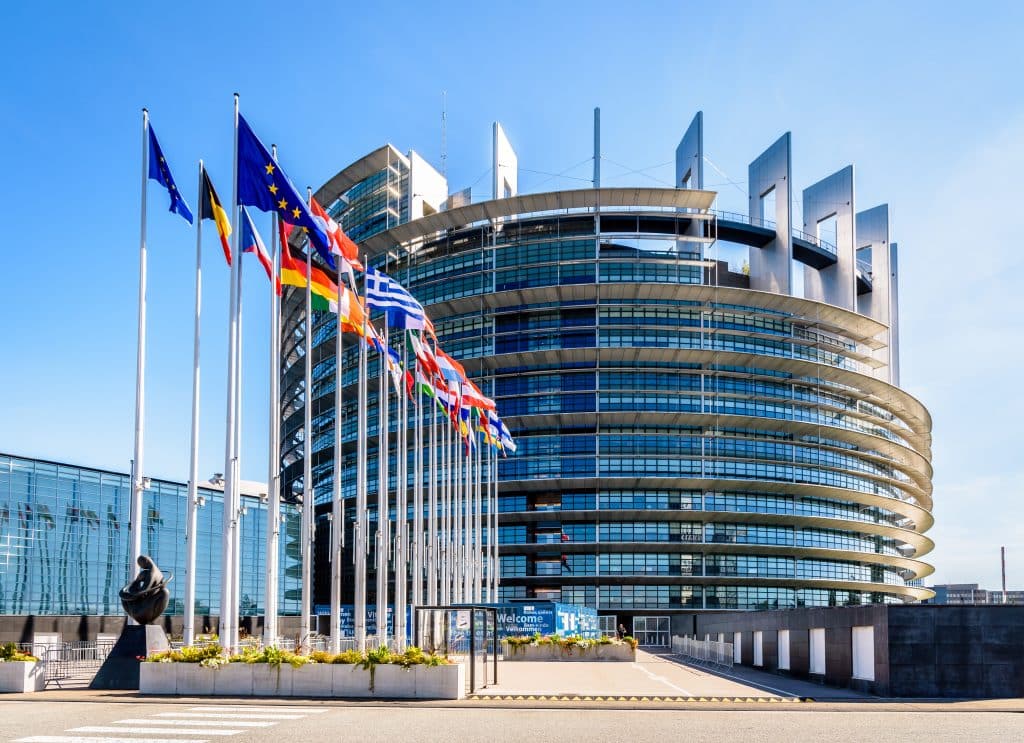
In Strasbourg, the European Parliament approved a report by Croatian Socialist MEP Romana Jerković on a new European strategy to combat cardiovascular disease, with 545 MEPs voting in favor. This comes in response to the Commission's first-ever European strategy to combat cardiovascular disease, the "« The "Safe Hearts Plan" will be presented in December 2025.[1]. While the Parliament's report claims to place prevention at the heart of the European response to the leading cause of death in the European Union, the measures envisaged regarding avoidable risk factors fall far short of best practice recommendations. The timid nature of these measures is undoubtedly influenced by the powerful lobbying of industry and illustrates the significant impact of commercial determinants of health on public health stakeholders.
The report highlights the challenges: cardiovascular diseases are responsible for approximately 1.7 million deaths each year in the EU. Nearly 62 million people are living with cardiovascular disease, and around 13 million new cases are diagnosed annually. According to estimates cited in the report, approximately 80% of cardiovascular diseases are preventable, particularly through action on key risk factors.
Tobacco and nicotine: prevention and protection of young people, with a rhetoric of "harm reduction""
The report focuses on protecting children and adolescents as a cross-cutting objective, regardless of the product involved. The strong appeal and accessibility of tobacco products and other new nicotine products contribute to their initiation. The risk of generations becoming permanently addicted is at stake.
The report supports measures targeting all tobacco and nicotine products, the latter being described as "« addictive cardiovascular toxin »The report calls for measures such as banning flavorings, limiting nicotine content, regulating social media advertising, controlling packaging, and implementing appropriate and effective excise duties. The goal is to reduce the appeal and affordability of these products and prevent their initiation. Protecting minors is a key focus, with calls to strengthen enforcement of minimum sales age regulations and identity checks, including for online purchases. The report also calls for prior health assessments of all new products and emphasizes the need for a regulatory framework capable of keeping pace with the rapidly evolving market and promotional strategies.
However, the text also introduces a distinction between different nicotine products, with regulations varying according to risk profiles. The wording itself echoes the tobacco industry's narrative. For healthcare professionals, the inclusion of this formulation is dangerous, especially since manufacturers are exerting similar pressure regarding the European Better Cancer Action Plan (BECA). Yet, this work is supposed to support the European texts currently under revision, namely the Tobacco Products Directive (TPD) and the Tobacco Advertising Directive (TAD).
Alcohol: a very low-ambition targeting of risky consumption
Alcohol is also among the main modifiable risk factors for cardiovascular disease. The European debate focuses in particular on ways to reduce so-called "risky" drinking, in a context where consumption habits and regulations differ significantly from one Member State to another. In this regard, limiting action to so-called risky drinking implies that moderate alcohol consumption is not problematic. Such wording echoes the industry narrative, as does the argument of proportionality in the measures.
It follows that the measures announced are characterized by a very low level of ambition, given that awareness alone remains a very insufficient lever if it is not combined with other proven measures such as bans on advertising, promotion and sponsorship, textual and graphic warnings or even the increase in taxation of products.
Ultra-processed foods: clearer information and awareness campaigns, but still far below recommended measures
Ultra-processed foods are another aspect of cardiovascular prevention. Obesity, excessive salt intake, an unbalanced diet, and high consumption of certain highly processed foods all contribute to cardiovascular risk. The report emphasizes health education and more accessible nutritional information to enable consumers to better consider product characteristics when making purchases and consumption choices. Nutritional labeling on the front of packaging is also part of this European debate.
According to the report's authors, food policies must take into account the diversity of diets and food traditions within the Union, as well as the economic stakes linked to the agricultural and agri-food sectors. This statement underscores once again how much lobbying efforts are being made by industry groups, such as those involved in tobacco, nicotine, and alcohol, to prevent the adoption of strong measures that could drastically reduce consumption.
This approach appears far more limited than the measures advocated by several European public health stakeholders. The European Heart Network (EHN) notably recommends simplified, mandatory, and harmonized nutritional labeling across the EU, strict restrictions on advertising and marketing foods high in fat, salt, and sugar to children, and reformulation targets to reduce salt, sugar, and saturated fat in processed foods.[2]. The organization also calls for the use of fiscal levers and public procurement policies to make healthy food more accessible and affordable, while reducing the relative accessibility of unhealthy products.
Towards greater coherence in European health policies?
The vote on this report concerning cardiovascular diseases comes as the European Parliament is also examining other issues related to non-communicable diseases. The European Plan to Beat Cancer, currently being examined by the Committee on Public Health (SANT) in Brussels, will be put to a vote by the parliamentary committee on September 28, 2026.
The existence of such reports underscores the scale of the non-communicable disease problem within the European Union. However, the limited scope of the proposals put forward highlights the influence of lobbying groups and the need for healthcare stakeholders to protect public policies from this constant interference.
AD
[1]Colin Stevens, Europe backs stronger cardiovascular strategy as Parliament puts prevention at center of health policy, EU Reporter, published on 16 September 2026, accessed on 18 September 2026
[2]Food Environments and EU Food Policy, European Heart Network, published on October 12, 2021, accessed on September 21, 2026