Tobacco industry lobbying in the European Parliament has intensified since 2024
November 3, 2026
Par: National Committee Against Smoking
Dernière mise à jour: November 3, 2026
Temps de lecture: 9 minutes
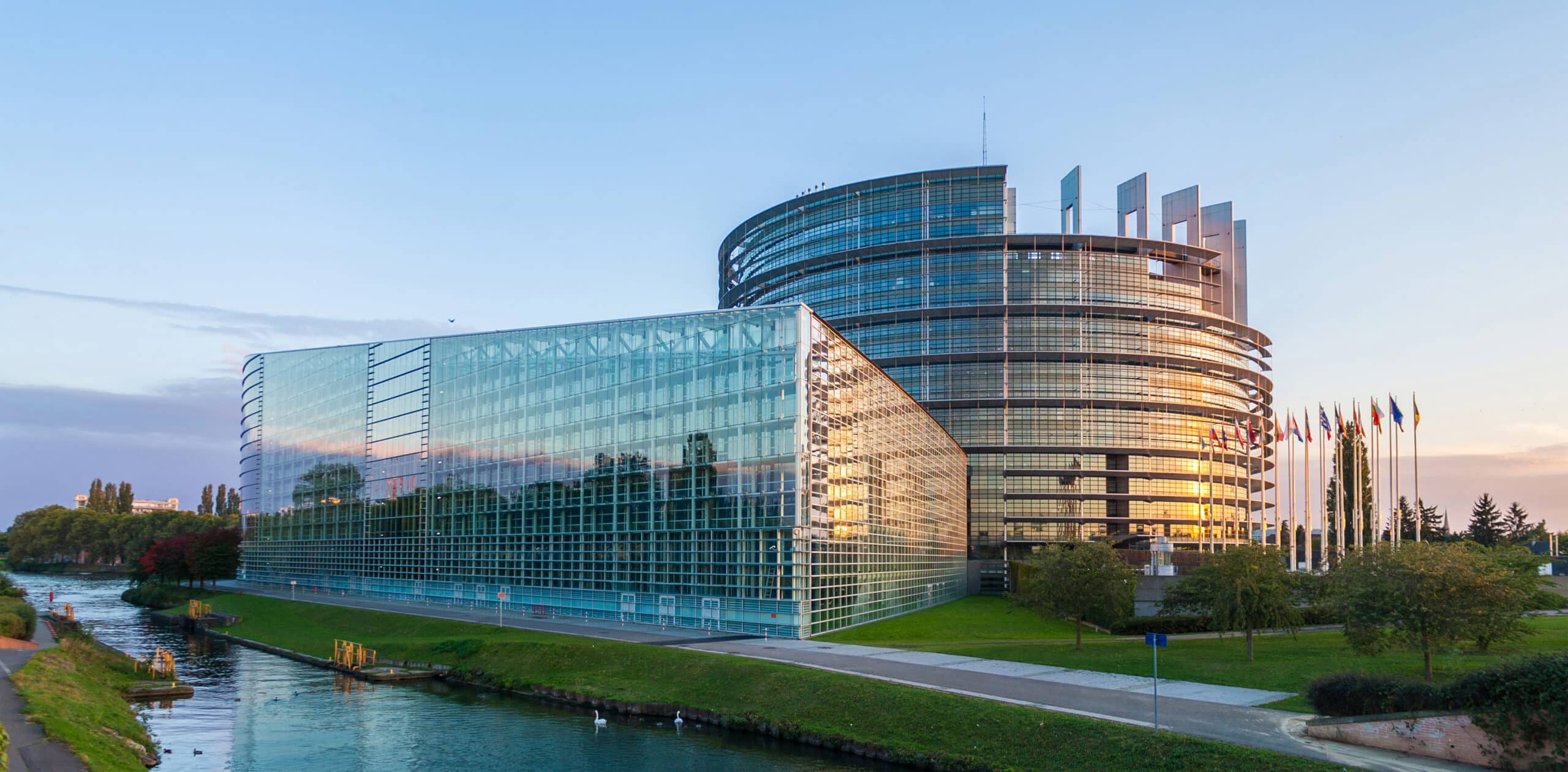
Members of the European Parliament reported four times more meetings with representatives of the tobacco and nicotine sectors in the first two years of the current parliamentary term than during the entire previous term, according to a data analysis by POLITICO.[1]. Since the European Parliament began operating in the summer of 2024, more than 400 meetings have been declared, compared to approximately 100 between 2019 and 2024. This data, collected by Smoke Free Partnership, a coalition of anti-tobacco NGOs, comes from the European Union's Transparency Register, in which MEPs are required to publicly declare their meetings. Around 75 of the meetings recorded since 2024 involved MEPs from right-wing political groups: the European People's Party (EPP), the European Conservatives and Reformists (ECR), and Patriots for Europe.
This increase comes as the European Union prepares to revise several texts relating to tobacco and nicotine products, including rules governing their marketing and advertising, as well as taxation. European measures to combat cancer and cardiovascular disease are also topics of discussion. Several MEPs are concerned about the industry's access to policymakers during the development of measures designed to prevent illnesses and addictions linked to its products. Tilly Metz, an MEP from the Greens/European Free Alliance, finds it particularly worrying that industry representatives meet more frequently with parliamentarians than with NGOs and associations involved in the fight against smoking.
Tobacco companies are trying to weaken the FCTC, particularly Article 5.3 and its scope.
Meetings between parliamentarians and industry representatives raise questions about compliance with the WHO Framework Convention on Tobacco Control (FCTC). Article 5.3 of this treaty stipulates that public health policies must be protected from the commercial interests of the tobacco industry. While it does not prohibit all meetings with industry representatives, its guidelines recommend limiting exchanges to what is strictly necessary for regulating the sector and ensuring transparency. Industry representatives dispute the criticisms leveled against them: British American Tobacco (BAT) asserts that it respects the existing rules and wants to share its market experience, while Philip Morris International (PMI) emphasizes its contribution to the European economy and its shift towards smoke-free products. The company states that it wants to contribute to democratic dialogue with elected officials from all political groups. Industry representatives also cite a 2022 ruling by the Court of Justice of the EU, which clarifies that the FCTC does not prohibit their participation in the implementation of tobacco control policies. However, this participation must not lead to the sector's commercial interests influencing these policies.
A disagreement also exists regarding tobacco-free nicotine products, such as nicotine pouches. The industry maintains that the FCTC only applies to products made from tobacco leaves, while the WHO advocates a broader interpretation: its regional advisor for tobacco control in Europe, Kristina Mauer-Stender, points out that the treaty explicitly aims to prevent and reduce nicotine addiction. Furthermore, the decisions taken by the States Parties have gradually incorporated new tobacco and nicotine products.
These meetings take place during sensitive legislative debates.
The intensification of lobbying comes at a time when several European texts are being debated regarding the level of health protection they must guarantee. During the summer of 2026, The European People's Party has notably proposed relaxing the wording of a non-binding report on cardiovascular diseases.. While the initial text advocated for nicotine regulations identical to those for tobacco, the PPE preferred to prioritize the concept of rules« appropriate »This proposal was supported by Jessica Polfjärd and Elena Nevado del Campo, two MEPs who reported a high number of meetings with industry representatives. The wording was retained in the final report adopted by the European Parliament. Romana Jerković, the Socialist MEP responsible for the dossier within the Health Committee, had previously expressed regret that the text was not more ambitious regarding tobacco.
The Smoke Free Partnership emphasizes that meetings with industry representatives focus on major regulatory initiatives, particularly tobacco and nicotine tax reform. Its director, Erin Roman, believes these discussions offer the industry opportunities to influence debates, even if data alone cannot demonstrate a direct impact on decisions. She also considers current transparency insufficient. Spanish Socialist MEP Nicolás González Casares, for his part, believes that the easing of certain measures concerning new tobacco products should be considered in light of the contacts maintained between industry representatives and political groups.
Philip Morris International is the leading manufacturer and has a majority of contacts on the right
The MEPs who reported the most meetings with industry representatives mainly belong to right-wing groups. Auke Zijlstra, a member of Patriots for Europe, leads with 14 meetings, followed by Pietro Fiocchi of the ECR group with nine. Three EPP MEPs, Michalis Hadjipantela, Elena Nevado del Campo, and Jessica Polfjärd, each reported eight. Auke Zijlstra believes that meeting with representatives of a sector affected by legislation is part of parliamentary work. He disputes the notion that the tobacco industry is overrepresented and encourages NGOs to request more meetings. Other MEPs involved emphasize the diversity of their interlocutors and their independence in their decisions. Elena Nevado del Campo explains that her meetings with tobacco representatives are linked to the economic importance of this activity in her region, Extremadura, while also stating that she engages with stakeholders who hold opposing views.
Among manufacturers, Philip Morris International (PMI) had the most reported meetings: at least 178, compared to 60 for British American Tobacco. According to additional data from Transparency International EU, PMI ranks fourth among companies that met most frequently with MEPs and their assistants, behind Meta, Google, and Apple. Discussions focused primarily on taxation, product and advertising regulations, and the "harm reduction" marketing strategy. The industry presents smoke-free products as alternatives to traditional cigarettes and believes their appeal can encourage smokers to switch products. Public health experts, however, point to the strong addiction to nicotine and the use of these products by young people who did not previously smoke.
The reported meetings also differed by country. More than one in five meetings with industry representatives involved an Italian MEP. This proportion is largely explained by meetings with the company Manifatture Sigaro Toscano, which involved only Italian elected officials. German parliamentarians, for their part, met with PMI slightly more often than elected officials of other nationalities.
Unequal resources between industry and public health organizations
The data from the Transparency Register likely provides only a partial view of tobacco industry lobbying in the European Parliament. It relies on declarations made by MEPs, some of which are incomplete or imprecise. At least 28 meetings mentioned public health measures, rather than solely tobacco regulation or taxation, but this figure may be an underestimate due to the lack of detail in many declarations. While the available data also does not demonstrate that the meetings directly influenced policy decisions, it highlights the intensity of contact between the tobacco industry and MEPs. These exchanges are taking place as the EU prepares regulatory changes that could have significant consequences for the tobacco and nicotine markets, as well as for public health protection.
The Smoke Free Partnership also reports significant pressure on its resources following the withdrawal of European operating subsidies in 2025. The organization states that it has continued its work with policymakers and the coordination of independent expert assessments, but specifies that the reduction in funding is forcing it to prioritize its activities. This situation highlights the disparities in resources between industry and public health organizations.
Earlier this year, an initiative to restrict tobacco lobbyists' access to MEPs failed. Tilly Metz, who participated in this effort, says she intends to continue advocating for the European Parliament's full compliance with the UNFCCC.
AD
[1]Dominic Giannini, Hanne Cokelaere, Tobacco lobby steps up Brussels push as EU rewrites rules, POLITICO, published October 27, 2026, accessed the same day