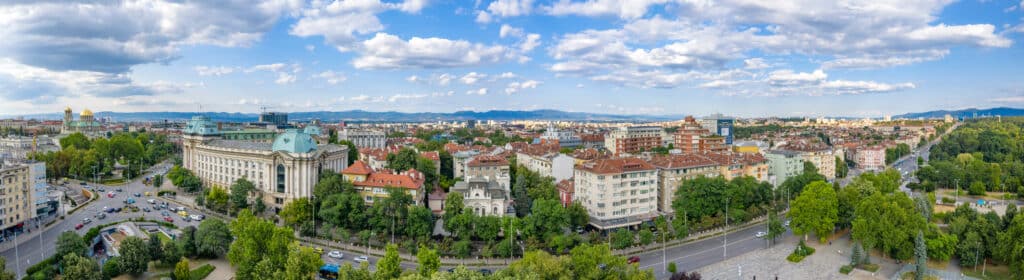
Launch of the "smoke-free restaurants and hotels" campaign in Hanoi
April 9, 2021
Par: National Committee Against Smoking
Dernière mise à jour: April 9, 2021
Temps de lecture: 6 minutes

The campaign, jointly launched by the Ministry of Health and the World Health Organization (WHO) office in Vietnam, aims to encourage restaurants and hotels to create a smoke-free environment in the capital, Hanoi.
Around 200 restaurants and hotels in Hanoi have pledged to make their establishments smoke-free.[1] and to strictly enforce the Tobacco Harm Prevention and Control Act, 2013The aim of this campaign is to create a smoke-free environment in the capital and in places popular with locals and tourists. Banning smoking in indoor public places reduces the risk of illnesses caused by exposure to tobacco smoke for both professionals and customers. It has also been shown that this measure contributes to reducing the direct and indirect healthcare costs of smoking-related illnesses.
Luong Ngoc Khue, director of the Vietnam Tobacco Control Fund, warns, however, that these new anti-smoking measures must be fully implemented to be effective, as most owners do not pay attention to smoking ban regulations. Monitoring by the relevant authorities is necessary to achieve a higher compliance rate, he added.
The burden of secondhand smoke in Vietnam
In Vietnam, 22.5% of the population over 15 years old (15.6 million) are regular smokers and 75% of the population (75 million) are exposed to secondhand smoke, whether in public places, at work or at home. Approximately 40,000 people die prematurely each year in the country from active smoking and 6,000 from secondhand smoke.[2]According to a 2020 study conducted by the Vietnam Tobacco Control Fund, secondhand smoke exposure rates in restaurants and hotels are very high, with 80% of customers exposed to smoking in restaurants, and 65% in hotels.
To reduce smoking prevalence, Vietnam enacted the Law on the Prevention and Control of Tobacco Harm in May 2013. Article 11 of the Law stipulates a complete ban on smoking in healthcare and educational institutions, kindergartens, and enclosed workplaces. However, the law allows smoking areas in many public places, including bars, restaurants, nightclubs, hotels, and public transportation. Moreover, the lack of enforcement, even in places where smoking is strictly prohibited, leads to widespread exposure of the population to secondhand smoke. According to a recent study by Tobacco Control[3]Despite the introduction of smoking as provided for in the law, 42.6% of adults remain exposed to second-hand smoke in indoor workplaces and 18.5% are exposed to it in public transport. More than 70% of young people (aged 13 to 15) remain exposed to second-hand smoke in all public places.
The effectiveness of smoke-free environments on public health
To effectively protect the population from exposure to secondhand smoke, it is important to provide comprehensive legislation that applies, without exception or derogation, to all places of collective use and whose effectiveness is guaranteed by controls and possible sanctions if necessary. Thus, complete bans reduce exposure to secondhand smoke in indoor places by up to 90% on average.[4]-[5], while partial laws like those in Vietnam are hardly effective.
Smoke-free laws have proven effective worldwide in reducing the risks associated with secondhand smoke. They have significantly reduced the incidence of cardiovascular disease and mortality from tobacco-related diseases.[6]This public health measure not only protects against the risks of passive smoking (non-smokers and smokers), but also helps smokers in the difficult process of quitting. Finally, it reduces the visibility of smoking behavior and helps raise awareness that smoking is not a trivial behavior. In this sense, it contributes to changing the norm.
In France, the ban on smoking in social areas (restaurants, bars, nightclubs, etc.) was introduced in 2008. According to a study by Santé Publique France[7], in 2014, this measure was widely appreciated by non-smokers as well as smokers. Its effectiveness was assessed: 6% of 15-75 year olds reported having been exposed to tobacco smoke inside restaurants, at least once in the last thirty days. Inside cafes, bars and pubs, this percentage was higher and concerned 14.2% of the population surveyed. However, it is likely that this exposure is still significantly greater on terraces, often transformed into verandas.
Keywords: Vietnam, Hanoi, Smoke-free spaces, Secondhand smoke, Restaurants, Hotels
Photo credit: ©Minh Quyêt/VNA ©Generation Without Tobacco[1] Ahn Kiet, Hotels and restaurants join in “No Smoking” campaign in Hanoi, Hanoi Times, April 5, 2021, accessed April 9, 2021 [2] The toll of tobacco in Vietnam, Campaign for Tobacco-Free Kids [3] Tran LK, Morawska L, Gartner CE, et al Secondhand smoke in public places in Vietnam: An assessment 5 years after implementation of the tobacco control law Tobacco Control Published Online First: 29 August 2020. doi: 10.1136/tobaccocontrol-2020-055753 [4] International Agency for Research on Cancer. IARC Monograph Volume 13 (2009) Evaluating the Effectiveness of Smoke-free Policies. World Health Organization, 2009. [5] López MJ, Fernández E, Pérez-Rios M, et al. Impact of the 2011 Spanish smoking ban in hospitality venues: indoor secondhand smoke exposure and influence of outdoor smoking. Nicotine Tobacco Research. 2013;15(5):992-6. [6] Frazer K, Callinan JE, McHugh J, van Baarsel S, Clarke A, Doherty K, et al. Legislative smoking bans for reducing harms from secondhand smoke exposure, smoking prevalence and tobacco consumption. Cochrane Database System Rev. 2016;2:CD005992. [7] Pasquereau A, Guignard R, Andler R, Richard JB, Arwidson P, Beck F, et al. Exposure to tobacco smoke in public places and social areas in France in 2014. Bull Epidemiol Weekly. 2016;(15):253-63. National Committee Against Smoking |