Ultra-processed foods: NGOs warn of strategies inspired by the tobacco industry
January 4, 2026
Par: National Committee Against Smoking
Dernière mise à jour: April 30, 2026
Temps de lecture: 8 minutes
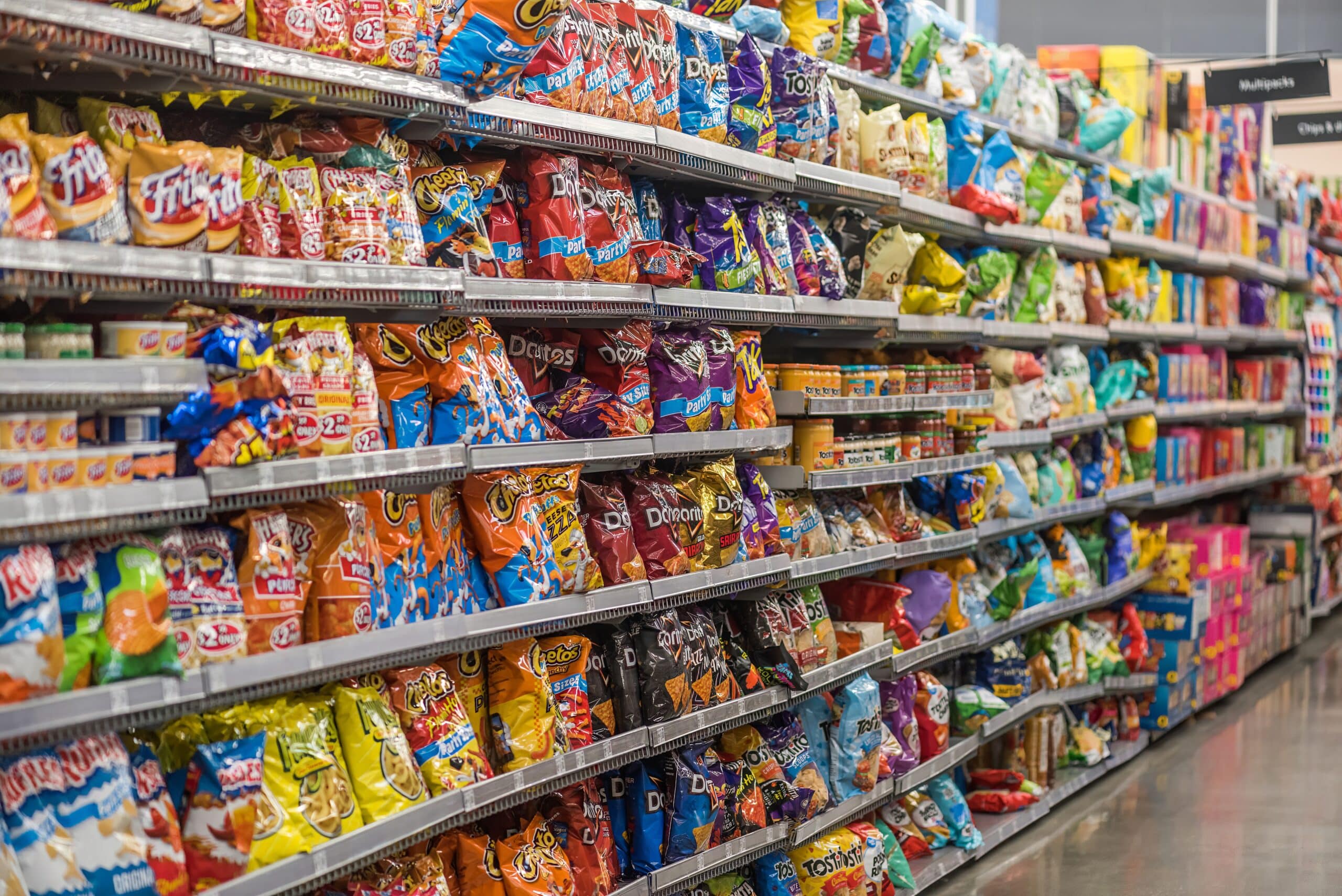
Yuka, Foodwatch, and France Assos Santé have launched a petition calling on public authorities to better regulate ultra-processed foods, which are now ubiquitous in the food market. These products represent nearly 60% of the food available in France, 30 to 35% of the calories consumed by adults, and nearly 50% of those consumed by children. The three organizations denounce marketing strategies comparable to those used by the tobacco industry in the past, and even today: targeting children, aggressive marketing, attractive packaging, and lobbying aimed at hindering public health policies. This mobilization illustrates the growing importance of the commercial determinants of health in the analysis of public health risks, in this case related to food.[1].
A petition calling for regulations on ultra-processed foods
On April 29, 2026, Yuka, Foodwatch and France Assos Santé launched the petition «"Too many ultra-processed foods: let's protect our health!"», This initiative aims to draw the attention of public authorities to the lack of a specific regulatory framework applicable to these products. It comes within a context marked by a profound transformation of food products, characterized by a growing presence of highly processed and massively promoted industrial products.
Ultra-processed foods include biscuits, sodas, sugary cereals, nuggets, chips, and ready-made meals. They are characterized by complex industrial formulations, incorporating processed ingredients and numerous additives, colorings, flavorings, emulsifiers, sweeteners, and flavor enhancers designed to optimize their taste, texture, appearance, and shelf life. Their design also aims to ensure strong appeal and product standardization, contributing to their widespread distribution. In this context, the signatory organizations emphasize that the prevalence of these products in the food supply helps shape consumption habits, particularly among younger generations.
A growing contribution to non-communicable diseases, now widely documented
According to the evidence presented by the organizations, more than a hundred studies link high consumption of ultra-processed foods to an increased risk of numerous chronic diseases, which form a significant part of the burden of non-communicable diseases. These diseases include obesity, type 2 diabetes, hypertension, cardiovascular disease, certain kidney diseases, and several cancers. Research also suggests associations with mental health disorders, including depressive symptoms and certain cognitive impairments.
This issue is all the more concerning given that children and adolescents are among the most vulnerable populations, even though dietary habits acquired early in life can have a lasting impact on health trajectories. In this context, the signatory organizations challenge an approach based solely on nutritional education or individual responsibility. They emphasize that the omnipresence of these products, their accessibility, and their widespread promotion contribute to shaping consumer behavior. This analysis falls within the framework of the commercial determinants of health, which highlights the role of industrial strategies in shaping environments, social norms, and ultimately, health risks.
Marketing strategies targeting young audiences, in a logic comparable to that of the tobacco industry
One of the central themes of this mobilization is the parallel drawn between the practices of the agri-food industry and those developed in the past and still used today by the tobacco industry. Ultra-processed foods are the subject of intensive marketing strategies aimed at enhancing their appeal and encouraging the establishment of early and lasting consumption habits.
These strategies rely on explicitly targeting children and teenagers through the use of visual and cultural codes tailored to these audiences: mascots, cartoon characters, celebrities, influencers, and playful, colorful graphic designs. These elements, integrated into packaging or disseminated on digital platforms, help capture the attention of young people, create an emotional attachment to brands, and normalize the consumption of products with low nutritional quality.
The organizations also emphasize that these practices are part of a historical continuum. In the 1980s and 1990s, several tobacco companies invested in the food industry, helping to spread certain formulation and marketing methods designed to maximize product appeal. This convergence of strategies is now interpreted as a warning sign, calling for increased vigilance and the strengthening of protective regulations.
The vulnerability of minors to these technologies is particularly highlighted. Before the age of 7 or 8, children lack the cognitive abilities necessary to identify the persuasive intent of advertising messages; similarly, adolescents remain highly exposed to influence strategies, especially in digital environments. The intensity of this exposure is amplified by high levels of media consumption in spaces where monitoring mechanisms remain limited.
Public responses already tested internationally
The organizations build on the progress made in the fight against tobacco use, particularly through the implementation of the WHO Framework Convention on Tobacco Control, and highlight that several international examples have adopted a similar approach and implemented stricter, coordinated measures. In Chile, banning advertising for products high in sugar, salt, or saturated fats at certain times has led to a 73% reduction in children's exposure to these substances. In Portugal, advertising targeting minors for these products is prohibited across a wide range of media, including television, radio, the internet, and mobile applications, as well as in spaces frequented by children. In the United Kingdom, similar restrictions came into effect in 2026, with a ban on advertising the most nutritionally unbalanced products before 9 p.m. on television and online at all hours.
Furthermore, several Latin American countries have implemented labeling and packaging regulations that include health warnings. Some prohibit the use of mascots or promotional materials on products, while others restrict nutritional or health claims. These policies aim to directly influence promotional and informational channels in order to change food environments.
A desire to better regulate ultra-processed foods
In light of the established findings, the petition launched by Foodwatch, Yuka, and France Assos Santé proposes an evolution of the framework for public intervention, based on direct action regarding food environments and commercial practices. The objective is to better regulate the promotion and marketing mechanisms that currently contribute to the widespread distribution of ultra-processed foods.
In this context, the organizations advocate for a substantial strengthening of advertising regulations, particularly when advertising targets minors. They call for a comprehensive restriction of commercial communications for these products, regardless of the medium (audiovisual media, digital platforms, or social networks), as well as a limitation of their presence in public spaces, especially near places frequented by children.
At the same time, the petition highlights the need for stricter regulation of marketing strategies related to packaging, identified as a key driver of appeal. Incentive-based tools such as mascots, fictional characters, promotional items, and contests are particularly targeted, as are nutritional or health claims that could enhance the perceived value of products with limited nutritional quality. The aim is to limit the mechanisms used to capture attention and foster brand loyalty, especially among younger consumers.
Finally, the organizations advocate for the introduction of health warnings on the front of packaging, clearly identifying ultra-processed foods. Such a measure, which would apply to all distribution channels, including online sales platforms, would aim to improve the clarity of information for consumers while encouraging manufacturers to adapt the formulation of their products.
AE
[1] Jeanne Cassard, Ultra-processed foods: "The methods are the same as the tobacco industry"«, Reporterre, published on April 29, 2026, accessed the same day
National Committee Against Smoking |