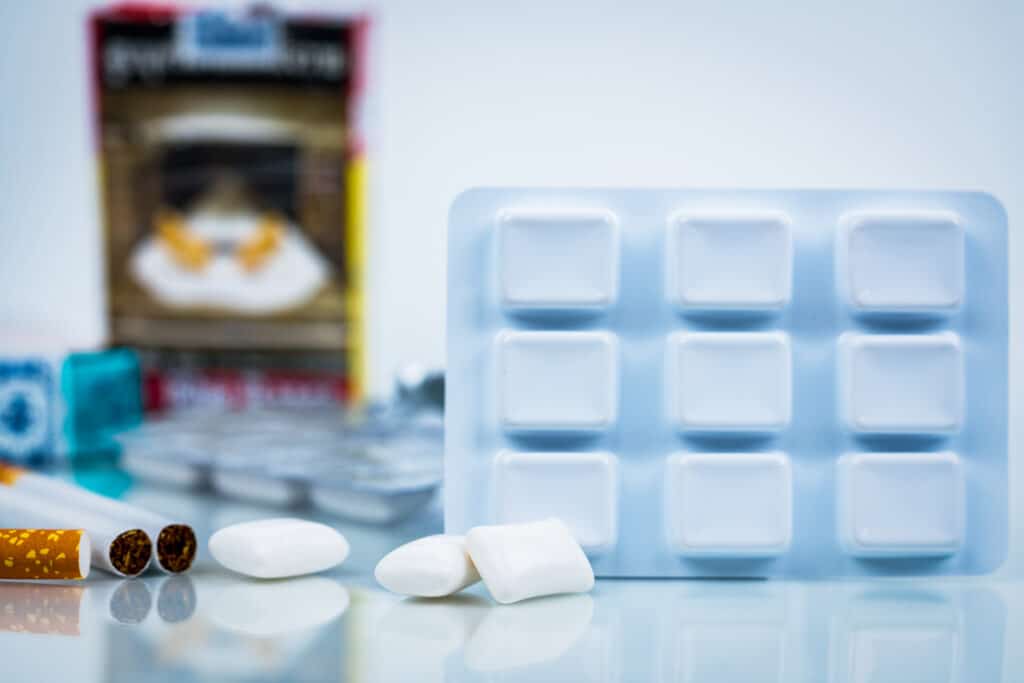
The European Parliament's Health Committee calls for greater regulation of new nicotine products.
October 7, 2026
Par: National Committee Against Smoking
Dernière mise à jour: October 2, 2026
Temps de lecture: 6 minutes

The European Parliament's Committee on Public Health (SANT) adopted, by 27 votes to 8 and 5 abstentions, a report on the implementation of the European Cancer Action Plan (BECA).[1]. Members of the European Parliament have stated that the next long-term EU budget should allocate at least €10.05 billion to health, including €2.5 billion specifically for the fight against cancer. The text also calls for strengthening prevention efforts and updating several EU regulations concerning cancer risk factors. Key demands include revising the rules on e-cigarettes, heated tobacco products, and nicotine pouches, as well as new measures regarding alcohol and nutritional information on food.
The report places these various measures within a broader approach to preventing cancer and other non-communicable diseases. Cancer kills 1.3 million Europeans every year, and 40 million of these deaths are preventable, said rapporteur Vlad Vasile-Voiculescu. Cancer is the second leading cause of death in the EU, and approximately one in two European citizens is expected to be diagnosed with cancer during their lifetime.
Measures against new nicotine products to protect, in particular, young people and non-smokers
Among the issues highlighted regarding prevention, the question of new nicotine products and the need to protect young people and non-smokers stands out. The SANT Committee believes that the emergence of new products and new consumption patterns necessitates an evolution of the European framework in order to achieve the goal of a tobacco-free generation by 2040, given that the interim target of 2025 has not yet been met. It calls for e-cigarettes, heated tobacco products, and nicotine-containing products, particularly pouches, to be given greater consideration in the upcoming legislative review, and for new tobacco and nicotine products to undergo impact assessments, particularly on public health, before being placed on the market.
The report notably supports measures such as banning flavored products, mandatory ingredient labeling, limiting nicotine content, and introducing plain packaging, with particular attention paid to features likely to appeal to young people and non-smokers. It also calls for strengthening measures to prevent online sales of nicotine products to minors, notably through digital age verification mechanisms. Tilly Metz, a Green MEP who contributed to the report, also mentions the possibility of banning nicotine pouches at the European level.[2].
The amendments to the tobacco section of the Cancer Control Plan also mention improved advertising restrictions, including online, increased protection of tobacco control policy against special interests of the tobacco industry (Article 5.3 of the FCTC) and better monitoring of dual use and increased nicotine consumption among young non-smokers.
The tax component also calls for raising and regularly updating the minimum levels of excise duties on tobacco and nicotine products. However, the report itself does not set new tax rates.
These measures constitute guidelines from the SANT committee and do not directly amend European legislation. Their implementation requires adherence to the legislative timetable for revising European texts on taxes, tobacco products, and advertising.
Alcohol and food: strengthening consumer information
Regarding alcohol, the report calls for the introduction of mandatory, standardized, and clearly visible health warnings on packaging. It also recommends measures to reduce consumption among minors and their exposure to advertising and marketing.
For foods, particularly ultra-processed foods, the SANT commission calls for mandatory and harmonized nutritional labeling on the front of packaging, based on scientific data. The goal is to make it easier for consumers to understand and compare nutritional information.
However, the text does not specify a precise commercial labeling system. Therefore, it cannot be concluded that the Commission has adopted a particular model for the entire European Union.
The report warns of shortcomings in cancer screening and treatment in the EU.
The persistent inequalities between EU countries and regions in terms of access to cancer screening, diagnosis and treatment are also a concern raised in the resolution[3]. Parliament stated that breast, cervical, and prostate cancers must remain screening priorities, adding that validated artificial intelligence should be integrated into national screening programs where it is used. The committee also advocated for effective invitation and reminder systems and rapid diagnostic follow-up after positive tests. 90% of patients should have access to national cancer centers by 2030. The report further addresses the issue of treatments, recommending voluntary group purchasing to improve access to cancer medicines. The resolution also calls for measures to improve the quality of life of cancer patients in remission or cured, including integration into the labor market, rehabilitation, and psychosocial support. This is complemented by the full implementation of the "right to be forgotten" rules, designed to prevent a past illness from unfairly affecting access to services such as insurance.
The vote by the SANT committee does not, in itself, entail any measures. These must be incorporated into the legislative texts that are currently under discussion or revision, particularly with regard to tobacco and other nicotine products.
AD
[1]SANT committee calls for tighter tobacco and nicotine rules and mandatory health warnings on alcohol, 2eu.brussels, published on September 29, 2026, accessed on September 30, 2026
[2]Annachiara Magenta, Food, alcohol, and tobacco: the European Parliament's crackdown, from labeling to bans, Eunews, published on September 28, 2026, accessed on October 1, 2026
[3]MEPs push for tougher tobacco rules and €10b health funding, The Brussels Times, published on September 29, 2026, accessed on September 30, 2026