Revision of European tobacco directives: anti-tobacco NGOs warn of the limitations of the consultation
August 25, 2026
Par: National Committee Against Smoking
Dernière mise à jour: August 24, 2026
Temps de lecture: 6 minutes
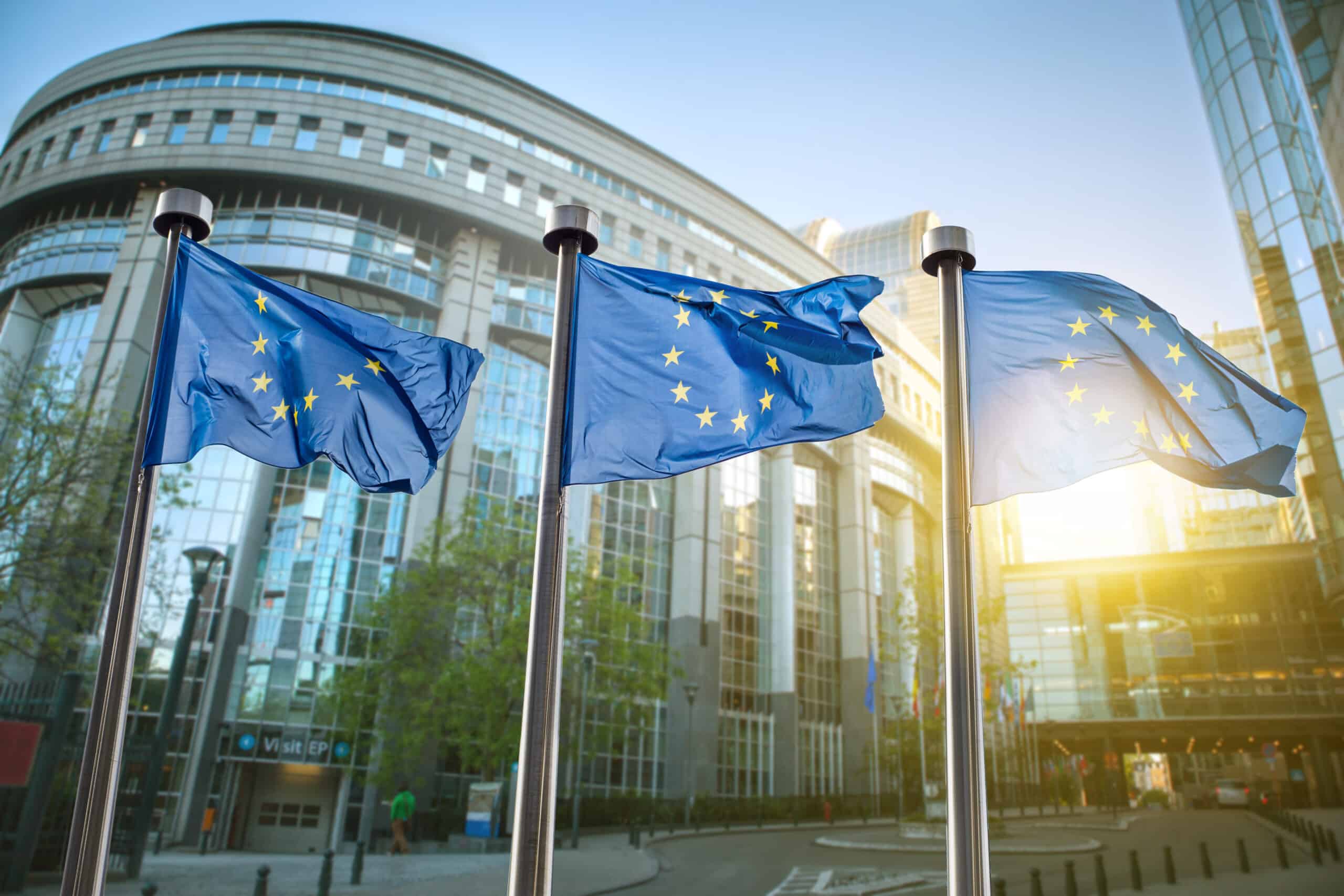
The public consultation on the revision of European rules governing tobacco products, advertising, and sponsorship ended on August 14, ahead of a legislative proposal expected by the end of 2026. While the European Commission intends to adapt the framework to new nicotine products, the process is drawing criticism from public health stakeholders: Contre-Feu and the National Committee Against Smoking (CNCT) are particularly concerned about the limitations of the consultation. They believe it falls short of addressing several key issues and are calling for stronger restrictions on new products, advertising, and digital marketing.[1]. They also call for future regulations to allow Member States to adopt or maintain stricter national measures, with the aim of reducing young people's exposure and progressing towards a tobacco- and nicotine-free generation.
A much-needed revision to adapt the European framework to market developments
There European Commission public consultation on the revision of the Tobacco Products Directive (TPD) and the Tobacco Advertising Directive (TAD) The review concluded on August 14, 2026. This step is intended to contribute to the development of a legislative proposal expected by the end of the year. The Commission wishes to update a regulatory framework whose evaluation concluded that it had contributed to a certain decline in smoking and related deaths. The revision of the text is all the more important given that smoking prevalence in the European region remains particularly high, and the decline has been significantly less pronounced than in other regions of the world. Furthermore, the evaluation highlighted the emergence of new challenges. These are particularly linked to the development of e-cigarettes, heated tobacco products, and nicotine pouches, especially those used by young people.
The Commission has indicated its intention to strengthen prevention, youth protection, the regulation of new products, and the control of their promotion. This revision is part of the European objective of a "tobacco-free generation" by 2040, defined as a smoking prevalence of less than 5%. The upcoming revision of the directives will therefore have to determine whether the new regulatory framework will accelerate the reduction of smoking and better prevent the development of new addictions, while still allowing Member States the possibility of going further.
This second consultation comes amid heightened scrutiny of the consultation process. Over 80,000 contributions had already been received during the initial call for submissions. the vast majority of which had been remotely controlled by tobacco manufacturers.
Anti-tobacco experts criticize the limitations of the European process and call for an ambitious strengthening of regulations.
Several public health stakeholders are contesting the way certain issues were addressed or were omitted from the consultation. The National Committee Against Smoking (CNCT) believes that the questionnaire left out several important topics, including the independence of the European monitoring and traceability system from the tobacco industry, the environmental impacts of tobacco products, particularly filters and electronic waste, and provisions guaranteeing the protection of public policies against industry interference. The CNCT points out that some questions relating to nicotine pouches and disposable e-cigarettes proposed various regulatory frameworks without explicitly offering the option of a ban. The association believes that simple European regulation of these products could contribute to their standardization and requests that the future directive include a general ban on these new products. Failing that, it requests that the framework guarantee Member States the possibility of implementing existing or future national bans.
In its contribution, the CNCT thus advocates an approach based on a comprehensive strengthening of regulations. It specifically calls for the generalization of neutral packaging, the strengthening of health warnings, the ban on flavorings in all tobacco and vaping products, the ban on filters and the application of polluter-pays principle for waste associated with these products. The association also calls for a ban on the marketing of new tobacco or nicotine products, excluding devices classified as medicines, as well as a broader ban on their promotion, particularly on digital platforms. The CNCT also requests a traceability system that is completely independent of the industry and enhanced protection of public policies against its influence, under Article 5.3 of the WHO Framework Convention on Tobacco Control (FCTC). Finally, it considers that the future European directive should not constitute a ceiling for Member States: they should be able to maintain or adopt more ambitious measures, including policies aimed at phasing out the sale of tobacco and vaping products, in accordance with Article 2.1 of the FCTC.
In support of the CNCT, the Contre-Feu alliance believes that the revision must contribute more directly to the goal of a tobacco-free generation by 2040.[2]. The two associations jointly defend a strengthening of restrictions applicable to new nicotine products, Greater flexibility for member states and a complete ban on online advertising, including influencer marketing, are among the proposals that highlight concerns related to strategies for promoting new products to young people.
France, at both the civil society and public government levels, is positioning itself with the aim of achieving a "tobacco-free generation" by 2032. This objective was reiterated in its National Tobacco Control Program 2023-2027. Did the French contribution to the European consultation position itself in favor of several ambitious measures?, This includes, in particular, the ban on flavorings, plain packaging, the reduction of certain nicotine levels, and the prohibition of filters. The revision of these regulations is therefore considered in light of these national and European objectives for phasing out tobacco, rather than simply as an adjustment to the existing framework.
AD
[1]Revision of European tobacco directives: the CNCT warns of blind spots in the consultation and calls on the Commission to legislate in the name of public health, National Committee Against Smoking, published on August 17, 2026, accessed on August 18, 2026
[2]Annachiara Magenta, Tobacco: the European Commission's consultation has just closed, and a transparency row is already erupting, Eunews, published on August 17, 2026, accessed on August 18, 2026