Tobacco taxation: the European Parliament does not vote on the proposed directive on taxes
June 23, 2026
Par: National Committee Against Smoking
Dernière mise à jour: June 18, 2026
Temps de lecture: 5 minutes
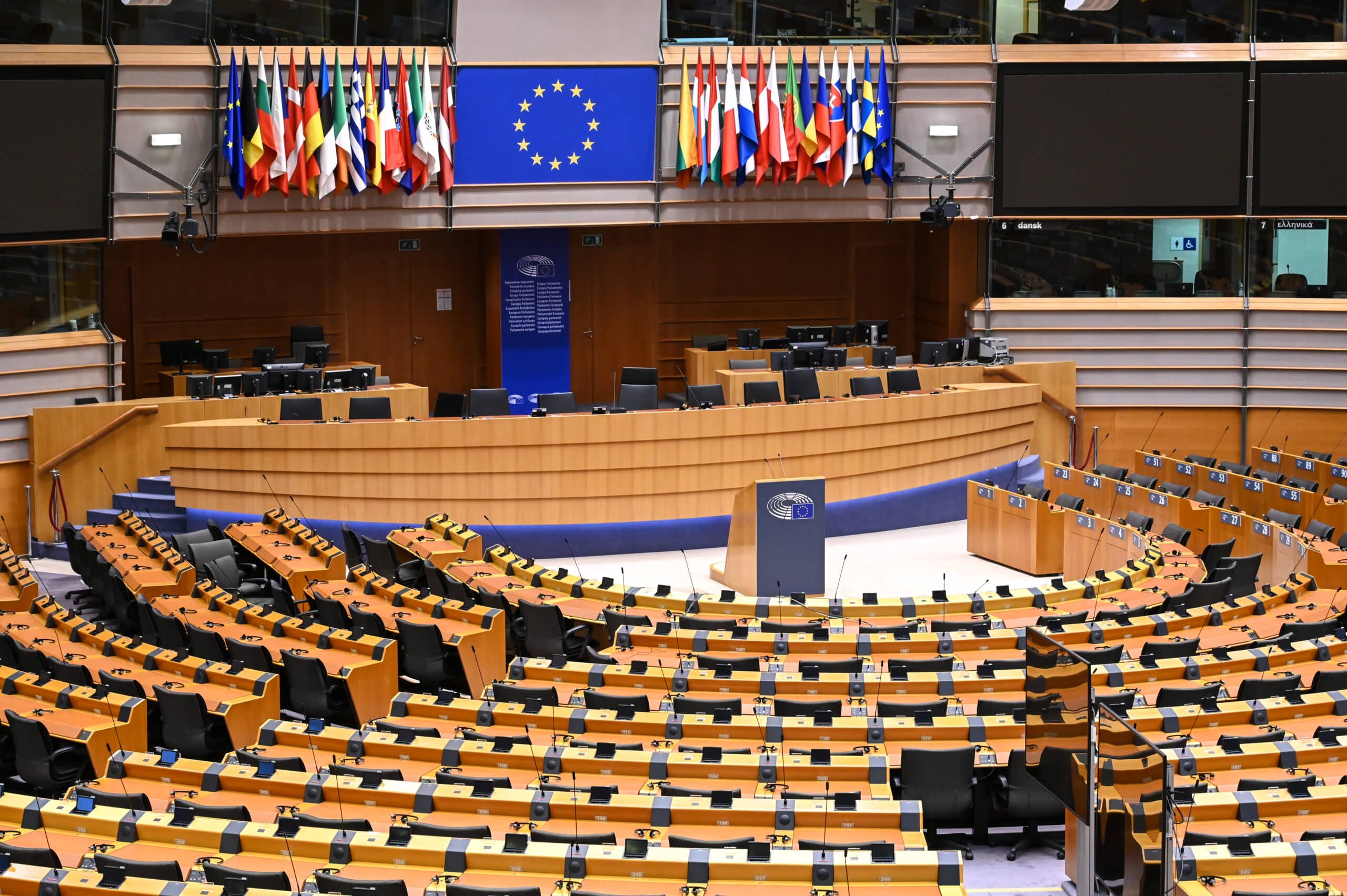
On June 17, 2026, the European Parliament failed to adopt a formal position on the proposed revision of the European directive on tobacco taxation (TTD) during its plenary session in Strasbourg. While this outcome deprives the institution of an official opinion, it primarily underscores the refusal of parliamentarians to support the adoption of a significantly weakened text that is largely aligned with the interests of the tobacco industry. For public health organizations, including the Smoke Free Partnership (SFP)[1], This institutional vacuum paradoxically represents a window of opportunity to put health ambitions back at the heart of the legislative process. The ball is now in the court of the Irish Presidency of the Council.
A weakened report rejected in plenary session
On June 17, 2026, MEPs meeting in Strasbourg voted against the report of the European Parliament's Committee on Economic and Monetary Affairs (ECON), chaired by Czech MEP Tomáš Kubín. This report, adopted the previous month by the ECON committee, proposed a downward revision of the European Commission's initial proposal on tobacco taxation.
The text contained several provisions that were problematic in the eyes of public health advocates: a so-called "less risk, less tax" approach that presented new tobacco and nicotine products as less harmful and conducive to smoking cessation, and therefore subject to little or no taxation. This was compounded by an argument concerning illicit trade that was completely disproportionate to the facts; finally, economic considerations deemed biased by MEPs justified the rejection of the text. Under the influence of strong industry lobbying, the directive had been adopted by the ECON committee in a watered-down version, while simultaneously being withdrawn from the agenda of the ECOFIN Council due to the lack of unanimous agreement among member states.
Public health amendments rejected, a mixed result
While the rejection of the Kubín report is a notable political signal, it is accompanied by disappointment: several more ambitious amendments, put forward by the Left, Renew, Greens/EFA and Socialists & Democrats (S&D) groups[2], These proposals were also rejected in the plenary vote. The session therefore failed to produce a stronger parliamentary position in favor of public health.
The European civil society coalition SFP nevertheless emphasizes that the absence of an opinion is preferable to the adoption of a weakened text. The organization points out that the Commission's initial proposal, while imperfect, contained essential measures: reducing tax disparities between Member States, extending taxation to new nicotine products, and mechanisms designed to curb tobacco consumption. The scientific evidence is consistent on this point: taxation is one of the most effective tools for reducing tobacco use, particularly among young people.
Industrial narratives at the heart of the legislative debate
Beyond the immediate outcome of the vote, the parliamentary proceedings reveal the continued and massive influence of the tobacco industry on the European legislative process. Several parliamentary sources have stated that some of the proposed amendments reproduced verbatim arguments provided to MEPs by tobacco lobbyists. The so-called "harm reduction" approach, promoted by the industry to defend e-cigarettes and heated tobacco products, continues to permeate the debates, despite repeated warnings from public health organizations.
S&D MEPs wanted to extend public bans to new tobacco products, in response to growing data from the World Health Organization on the serious respiratory and cardiovascular risks posed by emissions from these devices. This outcome highlights a persistent tension between the health objectives of the European Cancer Action Plan and ad hoc parliamentary alliances that undermine the coherence of the Union's public health policy.
As discussions continue in the Council under the incoming Irish presidency, public health organisations are calling on Ireland and all Member States to maintain a science-based approach and resist pressure to dilute measures whose effectiveness has been established.
AE
[1] Press release, European Parliament Fails to Adopt an Opinion on Tobacco Tax Report, Leaving Space for Stronger Public Health Ambition, Smokefree Partnership, published on June 17, 2026, accessed on the same day
[2] Press release, Gone up in smoke: the EPP and far-right's gamble with tobacco magnates has failed – a victory for public health, Socialists and Democrats, published on June 17, 2026, accessed the same day
National Committee Against Smoking |