The Dutch government is incorporating the ban on cigarette filters and puffs at the European level.
June 19, 2026
Par: National Committee Against Smoking
Dernière mise à jour: June 16, 2026
Temps de lecture: 5 minutes
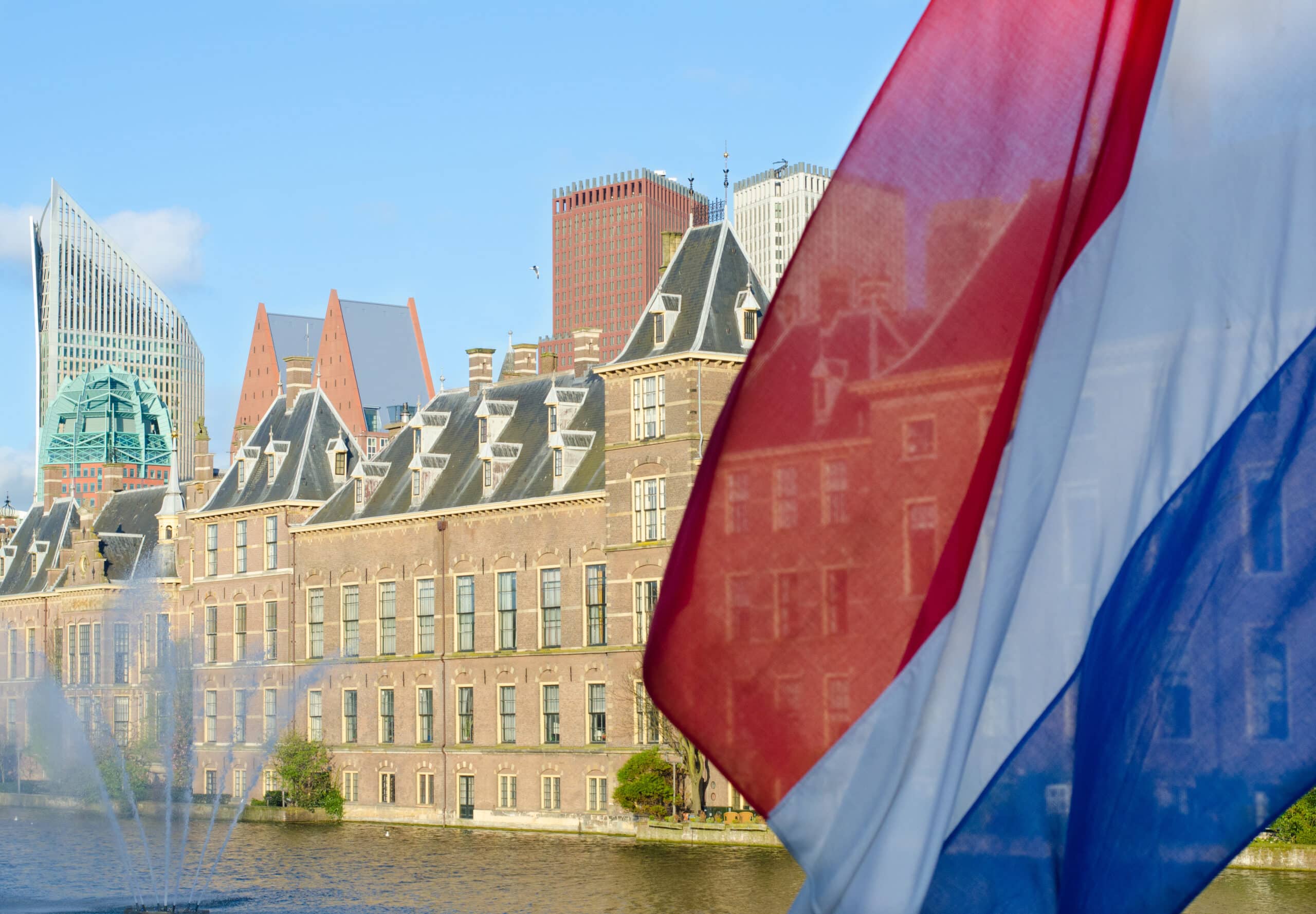
The Dutch government has announced that it will not implement nationwide certain planned public health and environmental measures, including bans on cigarette filters, disposable e-cigarettes, and smoking on beaches. Despite the documented health and environmental impacts of these products, the government cites legal constraints related to the European framework, as well as difficulties in monitoring and enforcement. The Netherlands therefore intends to prioritize action at the European Union level, while several European reforms concerning tobacco and single-use plastics are currently under consideration.
The government links several health and environmental measures to the European framework
In a letter to Parliament from Climate Minister Stientje van Veldhoven, Health Minister Sophie Hermans, and State Secretary for Infrastructure Annet Bertram, published at the same time as several commissioned studies, the Dutch government explained that it did not want to introduce a national ban at the Dutch level targeting certain single-use plastics, including cigarette filters and disposable electronic cigarettes also known as "puffs".«[1]. He also decided against banning smoking on beaches, due to a lack of sufficient local resources for control and cleaning.
However, Dutch authorities strongly emphasize the significant damage caused by tobacco waste. According to the Dutch National Institute for Public Health and the Environment (RIVM), approximately 9 billion filtered cigarettes are consumed each year. Cigarette butts, containing plastic (cellulose acetate), are frequently found in public spaces and the environment, where they degrade very slowly and can persist for several years. In the Netherlands, it is estimated that hundreds of millions, if not billions, of filters end up in the environment every year. These filters have proven harmful effects on plants and fish, and a single filter pollutes an average of 500 liters of water. A study conducted in April 2026 by RIVM revealed that a ban on cigarette filters would reduce the presence of microplastics in the environment. without making smoking more harmful[2].
Furthermore, Dutch authorities also emphasize that disposable e-cigarettes, which are often not part of recycling programs, can cause fires, including within collection and processing facilities. They pose a major environmental hazard.
The Netherlands prefers a European solution, which is currently undergoing a review of directives.
The Dutch authorities, however, decided not to act solely at the member state level. A national ban would risk being incompatible with the current European Tobacco Products Directive (TPD), the government believes. The executive branch considers that these measures provide a legal framework "« very limited and uncertain »"and wants to prevent possible circumvention of these prohibition measures by resorting to online purchases or on other markets.
While countries like France and Belgium have managed to ban puffs, and others such as Germany, Austria, Ireland, Denmark, and Bulgaria are considering it, Dutch authorities have decided to prioritize the European approach. According to them,« An EU-wide ban seems to be the most promising option. »"and they added that the Netherlands would argue in favor of such a measure in Brussels.".
Furthermore, a possible ban on filter cigarettes is being considered as part of the revision of the European directive on single-use plastics, aimed at combating plastic waste. The Netherlands is the first country to officially express its support for such a ban. Previously, 62 Dutch municipalities and various health organizations, such as the Trimbos Institute for Mental Health and Addictions, had already voiced their support for a ban on filters.[3].
This decision by the Dutch authorities may disappoint some stakeholders, given the country's ambitious efforts in recent years to combat smoking and new nicotine products. The Netherlands has, for example, bans flavors for electronic cigarettes, frequently accused of attracting young people and non-smokers into addiction, and has consideration has been given to raising the age limit for smoking and vaping from 18 to 21 years old. However, it falls within the specific context of the revision of European texts, which in fact constitute opportunities to generalize these protection measures to all Member States of the Union.
AD
[1]Dutch government rejects new national ban on cigarette filters, disposable vapes, NL Times, published on June 13, 2026, accessed on June 15, 2026
[2]Cabinet rules out national ban on disposable vapes and filters, DutchNews, published on June 12, 2026, accessed on June 15, 2026
[3]Liza van Lonkhuyzen, Nederland steunt als eerste EU-lidstaat Europees verbod op sigarettenfilters, NRC, published on June 12, 2026, accessed on June 15, 2026