South Korea: Towards a sugar tax to protect public health
February 1, 2026
Par: National Committee Against Smoking
Dernière mise à jour: January 29, 2026
Temps de lecture: 7 minutes
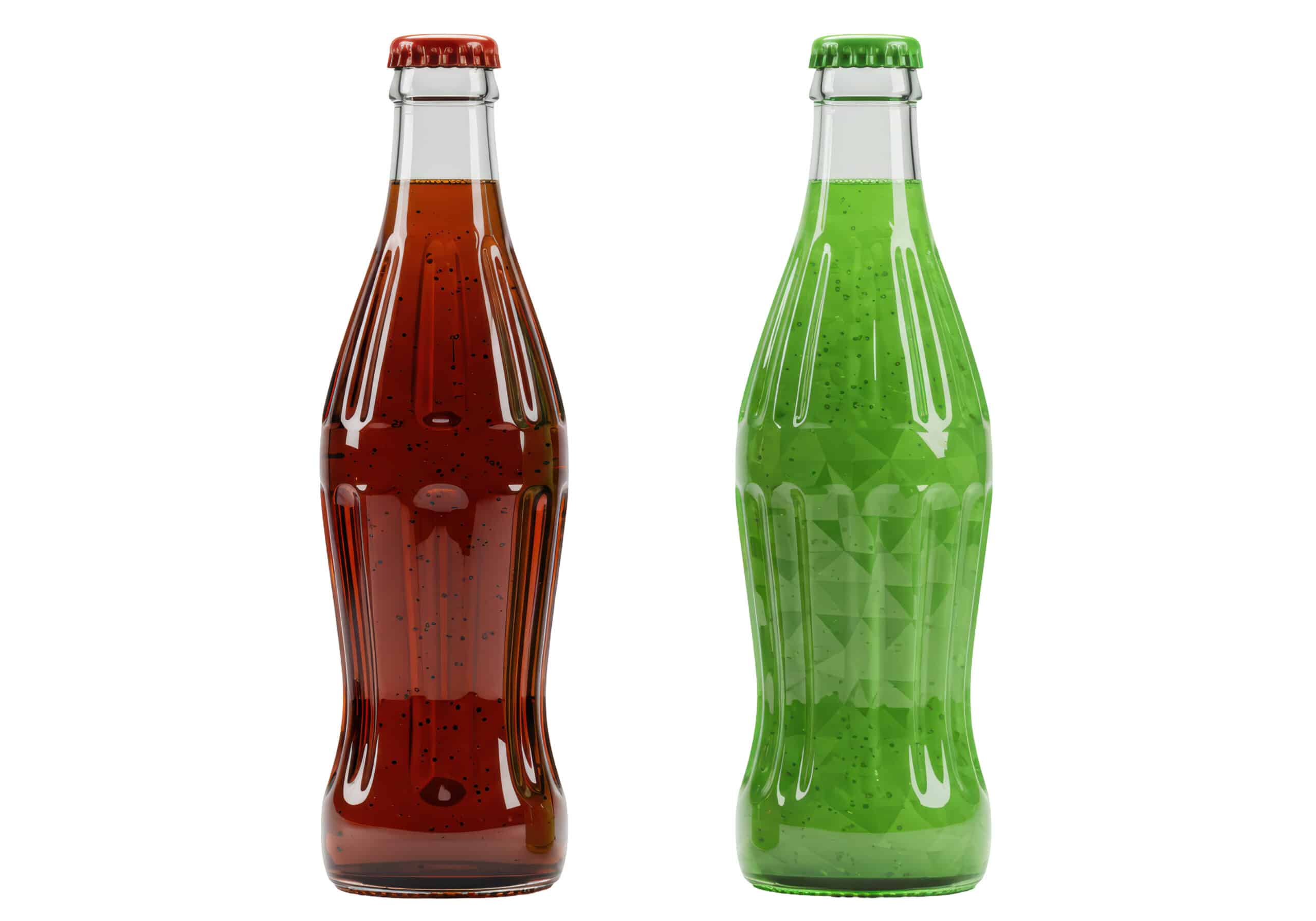
On January 28, 2026, South Korean President Lee Jae-myung proposed introducing a sugar tax, similar to the one applied to tobacco, with the aim of reducing sugar consumption, funding regional and public healthcare, and combating non-communicable diseases. According to a poll cited by the president, nearly 80% of the population would support this measure. Several countries have already implemented taxes on sugary foods and beverages, as recommended by the World Health Organization.
A health tax to reduce sugar consumption and strengthen public healthcare
President Lee Jae-Myung's proposal was made publicly at the end of January 2026.[1], In a message addressed directly to the public on social media, the Head of State announced the introduction, within the framework of the national health promotion law, of a sugar tax, modeled on the tax system applied to tobacco products. This measure aims to reduce excessive consumption of products high in added sugars while generating new resources for financing public and regional healthcare.
According to information provided by the president, nearly 80% of those surveyed expressed support for the introduction of such a levy, which they viewed as a tool for prevention and public health solidarity. The government indicated its intention to launch a broad consultation phase, involving experts, institutional stakeholders, and citizens, to assess the health impact of sugar consumption, the potential effects of the measure, and to define the precise implementation procedures should it be adopted.
This initiative is part of a long-standing debate in South Korea. A similar proposal was considered in 2021 during parliamentary discussions on revising the national health promotion law, with the idea of a progressive tax based on the sugar content of products. However, due to a lack of political consensus, this project did not come to fruition before the end of the legislative session.
A behavioral tax inspired by anti-smoking policies
The sugar tax being considered by South Korean authorities is based on a principle already widely used in public health: employing taxation to modify consumption patterns associated with proven health risks. Similar to taxes on tobacco products, this type of levy aims to increase the price of the most harmful products in order to reduce their accessibility and appeal, while simultaneously sending a clear signal about their detrimental effects on health.
Excessive sugar consumption is now recognized as a major risk factor in the development of non-communicable diseases, including obesity, type 2 diabetes, cardiovascular disease, and tooth decay. Foods and drinks high in added sugars contribute significantly to these conditions without providing comparable nutritional benefits.
A WHO report[2] The report indicates that by 2024, at least 116 countries were applying a specific tax on sugary drinks, covering all regions of the world. However, these taxes remain generally low: the median share of specific taxes in the retail price of a standard 330 ml sugary drink is only 2.4% globally, a level insufficient to produce a lasting effect on accessibility and consumption, according to the WHO. By comparison, policy recommendations for tobacco products stipulate a minimum tax level of 75% of the retail price. Furthermore, there is a need for a sustained tax policy of significant and repeated increases over time.
Evaluations conducted in countries that have implemented taxes on sugary drinks show, however, that these measures have positive effects: they include higher retail prices, a decrease in purchase volumes, and, in some cases, reformulation of products by manufacturers to reduce their sugar content. These combined effects contribute to a decrease in population exposure to added sugars and are part of a comprehensive approach to preventing non-communicable diseases.
Addressing the commercial determinants of health
The proposed sugar tax is part of a broader public health approach aimed at addressing the commercial determinants of health—that is, all the economic, industrial, and commercial practices that influence consumption patterns and the health status of populations. In the case of industries linked to non-communicable diseases, such as tobacco, alcohol, and sugar, their activities have negative repercussions. The food and sugary beverage sectors, like the tobacco industry, rely on economic models based on the mass distribution of products high in harmful substances, combined with intensive marketing strategies and the normalization of their consumption in daily life.
These strategies help shape the food environment, particularly for children and the most vulnerable populations, by making products high in added sugars easily accessible, appealing, and socially acceptable. They are frequently accompanied by rhetoric that downplays health risks, emphasizes individual consumer responsibility, or promotes marginal technical solutions, such as partial product reformulation, without questioning the overall volume of consumption.
In this context, taxation is a key tool for rebalancing the consumer environment and limiting the influence of commercial interests at the expense of public health. By increasing the price of the most harmful products, health taxes reduce their economic appeal, encourage healthier food choices, and mitigate the negative externalities generated by these products, particularly in terms of costs to healthcare systems.
Like anti-smoking policies, the introduction of a sugar tax also contributes to a shift in social norms by explicitly recognizing the role of products high in added sugars in the increasing burden of non-communicable diseases and the strain placed on healthcare systems. It helps shift the debate from solely individual responsibility to collective responsibility, incorporating the role of economic actors in the creation of health risks and the need for public regulations to protect public health and healthcare systems.
Finally, by linking this taxation to prevention policies, health education, and public healthcare financing, public authorities have a coherent tool to act on supply, demand, and the consumption environment simultaneously. This comprehensive approach is now recognized as essential for sustainably addressing the challenges posed by non-communicable diseases and for limiting the impact of the commercial determinants of health on health inequalities.
AE
[1] Yonhap, Lee floats idea of imposing sugar levy to support regional, Public health care, The Korea Times, published January 28, 2026, accessed the same day
[2] Global report on the use of sugar-sweetened beverage taxes, 2025. Geneva: World Health Organization; 2025. License: CC BY-NC-SA 3.0 IGO.
National Committee Against Smoking |