Vaping in Ireland: Use on the rise among young adults
July 20, 2025
Par: National Committee Against Smoking
Dernière mise à jour: July 17, 2025
Temps de lecture: 6 minutes

According to the data According to data published by the Central Statistics Office (CSO) as part of the Irish Health Survey 2024, the use of vaping products remains high in Ireland, particularly among young adults. Meanwhile, the Health Service Executive (HSE) has confirmed that it currently does not have dedicated funding to support users of e-cigarettes or nicotine pouches in its smoking cessation support programs.
A marked prevalence among young adults
Data released in July 2025 as part of the Irish Health Survey 2024 by the Central Statistics Office (CSO) highlights the particularly widespread use of e-cigarettes among young adults. Among those aged 18 to 34, 23.6% reported using vaping products: 13.6% used them daily and 10% used occasionally. This proportion is significantly higher than that observed in other age groups, indirectly illustrating the effectiveness of the industry's marketing strategies targeting young people.
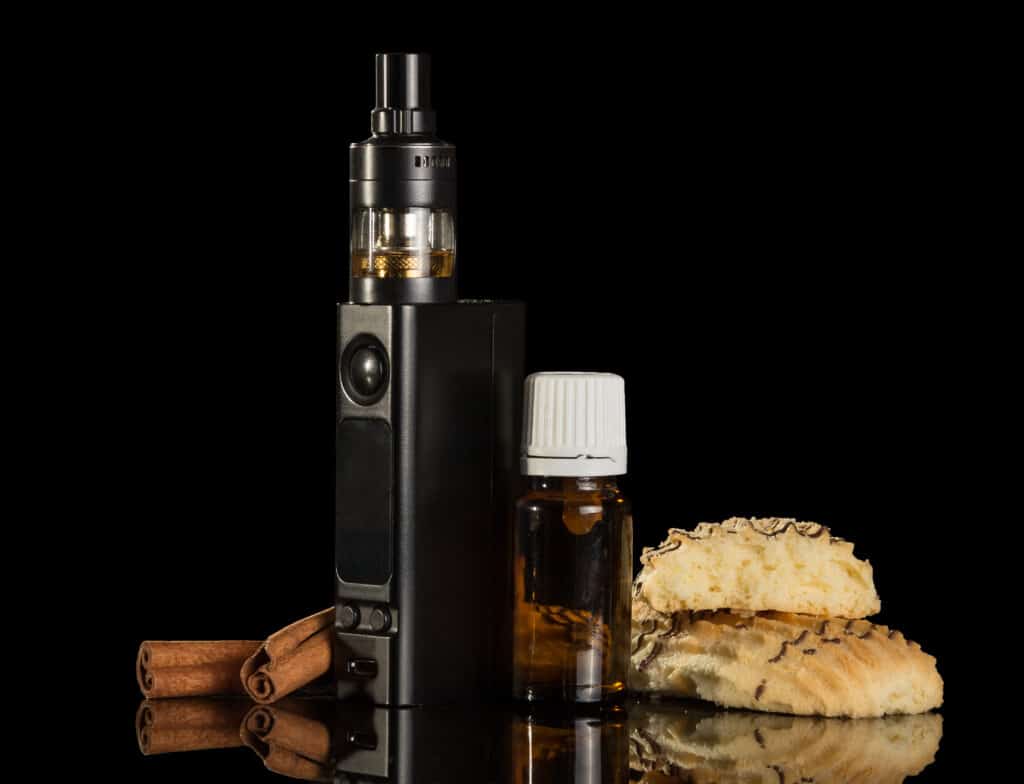
This prevalence of vaping among young people is part of a context where the accessibility of products, their targeted marketing, the diversity of flavors and the attractive presentation of the devices are regularly called into question by public health actors.
The CSO also highlights that 10.1% of people aged 18 and over smoked tobacco products daily, while 7.1% vaped daily. These data reflect a coexistence between tobacco products and vaping devices, with potentially differentiated usage profiles depending on the generation.
Public systems unsuited to new uses
As the use of nicotine products diversifies, particularly with the rise of vaping and nicotine pouches among young and often non-smoking populations, public prevention and cessation support systems are struggling to adapt to these developments.
The Health Service Executive (HSE) – the public body responsible for health services in Ireland – has confirmed that cessation programmes currently in place do not have a specific budget line to support e-cigarette or nicotine pouch users who wish to stop using these products.[1]The devices have historically been designed to support people wishing to stop smoking tobacco, or to supervise temporary use of nicotine as a substitute.
However, the HSE is now facing growing demand from people who have never smoked but who want to quit using e-cigarettes or nicotine pouches. Martina Blake, head of the Tobacco Free Ireland program, clarified that these new user profiles are not eligible for available support, in the absence of proven smoking or a supervised transition to nicotine withdrawal.
To address this changing practice, the HSE has submitted a request for additional funding to the Department of Health. This situation highlights a growing gap between practices observed in the field—particularly among young adults—and existing support tools. This situation also highlights the fact that the products promoted by manufacturers are not primarily aimed at smokers but at a younger audience.
Meanwhile, MP Conor Sheehan (Labour Party) called on authorities to expand existing legislation to better regulate the sale and use of nicotine pouches and disposable e-cigarettes. The Department of Health indicated that it is working on a review of the regulatory framework, including the announced ban on single-use devices, restrictions on attractive flavors, and increased regulation of point-of-sale displays. These changes are aimed at limiting the appeal and accessibility of these products, particularly for young people.
Perception of health, alcohol consumption and cannabis use
The results of the Irish Health Survey 2024 provide a general overview of the perception of health by the adult population in Ireland, as well as a picture of behaviors regarding the consumption of psychoactive substances.
Nationally, 77.1% of adults aged 18 and over rate their general health as "good" or "very good." This perception varies by age group, with a peak observed among 35-44 year-olds (81.6% of adults) and a gradual decline among the oldest, reaching 61.9% among those aged 75 and over. Regarding mental health, 69.2% of adults rate it as good or very good, but this rate drops to 50.8% among 18-24 year-olds, indicating a specific fragility within this category of the population.
Regarding alcohol consumption, 69.7% of adults reported having consumed alcohol in the 12 months preceding the survey. This proportion was higher among men (74.2% of adults) than among women (65.4% of adults). Nearly one in two people (48% of adults) reported drinking at least once a week, while 10.7% of adults reported never having consumed alcohol. Among those who had drunk in the past year, 27.1% of adults reported having consumed five or more drinks at least once a month at an event, which corresponds to episodes of regular excessive drinking.
Finally, cannabis use affected 8.1% of adults in the twelve months preceding the survey. Prevalence is significantly higher among 18–24 year-olds (20.4% of adults) and 25–34 year-olds (13.6% of adults), before decreasing sharply with age. In total, 2.6% of respondents reported weekly or more frequent use.
These data confirm that behaviors related to the consumption of psychoactive substances, whether nicotine, alcohol, or cannabis, are particularly prevalent among young adults. According to public health experts, they highlight the need to adapt prevention policies to changes in usage and consumers, taking into account the diversity of the products consumed but also their specificities, particularly with regard to the strategies deployed by manufacturers.
AE
[1] Niamh Griffin, HSE cannot support vaping and nicotine pouch addiction through quit smoking programs, Irish Examiner, published July 11, 2025, accessed July 16, 2025
National Committee Against Smoking |