A survey reveals a sharp increase in vaping among young people in Brazil
March 30, 2026
Par: National Committee Against Smoking
Dernière mise à jour: March 27, 2026
Temps de lecture: 4 minutes
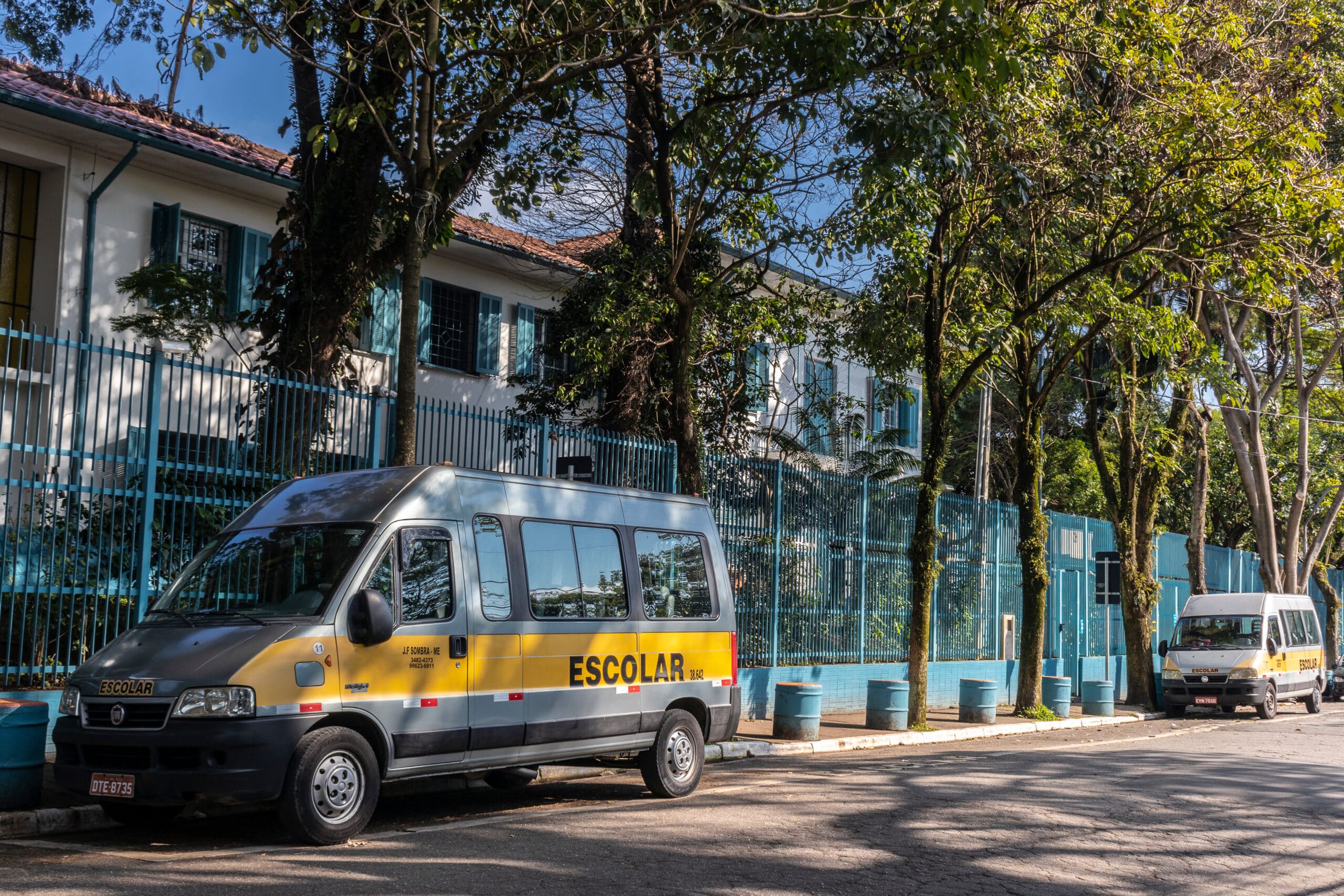
The latest edition of the National School Health Survey (PeNSE 2024), conducted by the Brazilian Institute of Geography and Statistics (IBGE) in partnership with the Ministry of Health and with the support of the Ministry of Education, among more than 12.3 million students in public and private schools, shows a marked increase in e-cigarette use among 13-17 year olds in Brazil.[1]. According to data published by the IBGE, the proportion of adolescents who have already experimented with an e-cigarette increased from 16.8% in 2019 to 29.6% in 2024, while use in the 30 days preceding the survey tripled, jumping from 8.6% to 26.3%.
Significant differences exist depending on gender, type of school, and region.
The PeNSE 2024 survey focused on the consumption of tobacco, e-cigarettes, and other nicotine products. It addressed the age of experimentation, recent use, as well as the methods of obtaining and indirect exposure to these products.
The results indicate that vaping is more frequently experimented with among girls (31.7 per 100,000) than boys (27.4 per 100,000). Students in public schools also report higher levels (30.4 per 100,000) than those in private schools (24.9 per 100,000). Geographically, the highest rates are observed in the Central-West (42 per 100,000) and the South (38.3 per 100,000), while the North (21.5 per 100,000) and the Northeast (22.5 per 100,000) remain below the national average.
At the same time, experimentation with traditional cigarettes decreased from 22.6 per 100,000 inhabitants in 2019 to 18.5 per 100,000 inhabitants in 2024, and with hookahs from 26.9 per 100,000 inhabitants to 16.4 per 100,000 inhabitants. The IBGE (Belgian Institute for Environmental Management) believes these trends may reflect a shift in hookah use towards e-cigarettes, particularly among students in private schools.
Nayara Varela, psychologist and educational director of Colégio Católica Brasília, observes that the product's popularity, social pressure, and ease of access also contribute to this rise in vaping.[2].
A product still promoted by manufacturers despite the sales ban
However, Brazil has banned the manufacture, sale, import and advertising of electronic cigarettes since 2009., The ban was confirmed by the Brazilian Health Regulatory Agency (Anvisa) in 2024.. This legislation was reinforced by DRC resolution no. 855 of 2024, which also prohibits the use of these devices in enclosed and public spaces, such as schools, cinemas and public transport.
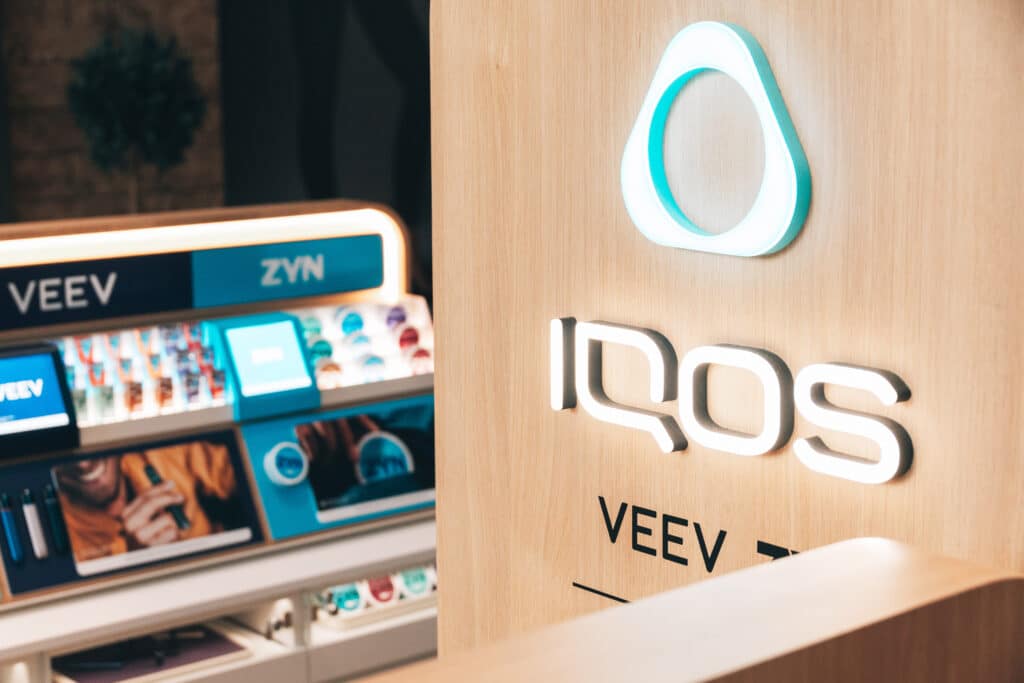
However, despite these provisions, tobacco and nicotine product manufacturers continue to invest heavily in advertising, especially online, Targeting teenagers and children to promote their e-cigarettes, e-cigarettes continue to grow in popularity, fueled by advertising that portrays them as relatively harmless. Their scents and flavors are particularly emphasized and appealing to young people and children.
The WHO points out that adolescents are far more likely than adults to use these devices, which contain nicotine, a highly addictive drug, as well as potentially toxic substances and heavy metals (nickel, tin, lead). Scientific studies highlight that nicotine can affect a young person's brain development and contribute to difficulties with attention, memory, and self-control at this stage of life, thus increasing the risk of anxiety and depression.[3].
Furthermore, regarding vaping products, the risk of lung disease is already established, and cardiovascular risks are probable. Experts also warn against the risk of encouraging the consumption of other tobacco products and the environmental consequences of improper disposal of devices and refills.
They are therefore calling for a comprehensive and coordinated response, combining strong awareness of these products and the strengthened application of existing provisions, particularly with regard to informal trade and the digital environment.
AD
[1]Bianca Muniz, 3 em cada 10 adolescent students usaram cigarros eletronicos alguma vez na vida, revela IBGE, Globo.com, published March 25, 2026, accessed March 26, 2026
[2]Caetano Yamamoto, Jovem do DF will use an electronic cigar, Correio Braziliense, published on March 26, 2026, accessed the same day
[3]Guilherme Lopes, Uso de cigarro eletronico entre adolescentes cresce 76% no Brasil, EM Foco, published on March 26, 2026, accessed the same day