Tobacco, vaping, alcohol: mystery shopping to protect minors remains underutilized in Europe
October 12, 2026
Par: National Committee Against Smoking
Dernière mise à jour: October 5, 2026
Temps de lecture: 7 minutes
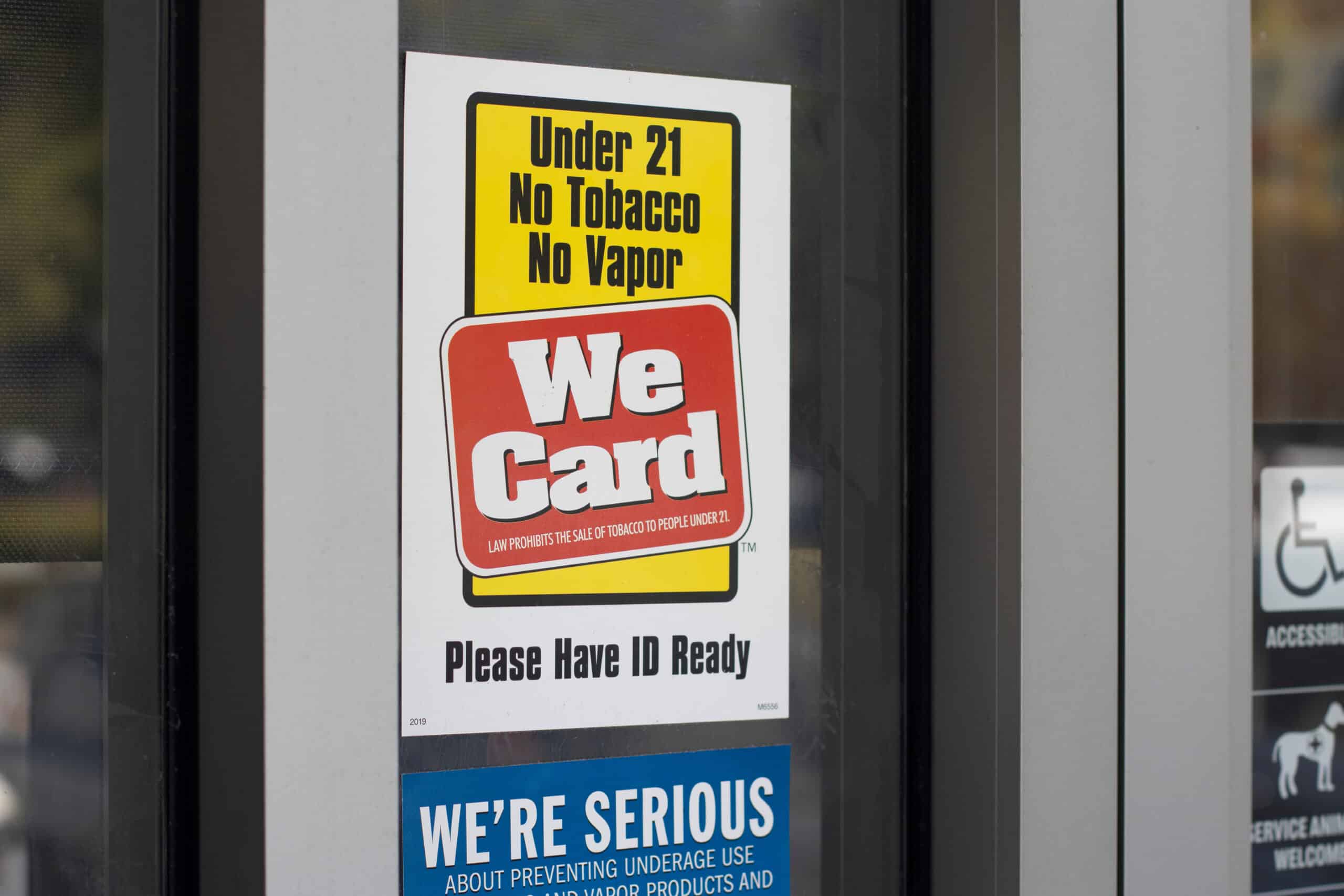
A study published in the European Journal of Public Health analyzes the use of "mystery shopping" to verify compliance with bans on the sale of tobacco, nicotine products, and alcohol to minors.[1]. This method involves asking minors or young adults who appear youthful to attempt to purchase these products in order to assess retail practices. The survey, conducted as part of the European JAPreventNCD project, is based on responses collected from 39 people in 30 European countries. Of these countries, 20 (67 %) had already used this method for tobacco products, nicotine, or alcoholic beverages. In 15 of the 28 countries, mystery shopping was explicitly recognized by law as a means of monitoring compliance with bans on sales to minors.
A practice primarily organized in physical points of sale
In 14 of the 20 countries studied, mystery shopping was conducted regularly or periodically. In 12 countries, it was carried out nationwide. Local or regional authorities, as well as public bodies responsible for oversight, were among the main organizers. The checks focused primarily on physical points of sale. Checks related to online purchases remained rare: only four countries reported conducting such operations, mainly for alcoholic beverages and, in one case, for tobacco or nicotine products. The authors believe this limited coverage is a significant drawback, especially given the increasing use of digital sales channels by young people.
Manufactured cigarettes were the most frequently tested products, followed by e-cigarettes and nicotine-containing liquids. Testing also included, depending on the country, rolling tobacco, cigars and cigarillos, heated tobacco products, nicotine-free e-cigarettes, hookahs, heated tobacco, and nicotine pouches.
Rates of non-compliance with the ban on sales to minors are sometimes high
The available results revealed varying levels of non-compliance depending on the country and product category. For the most recent operations studied, violations of sales bans reached 70% for tobacco and nicotine products and 80% for alcoholic beverages. Data published in various European studies report non-compliance rates ranging from 5% to 94% for tobacco products, from 39% to 90% for alcoholic beverages, and around two-thirds for new nicotine products. The authors emphasize, however, that comparisons between countries should be interpreted with caution. The methods used, the products selected, the profiles of mystery shoppers, and the targeted points of sale vary considerably. In some cases, businesses are chosen based on previous violations, a perceived risk of non-compliance, or their popularity with young people.
According to the study, regular checks can help improve compliance with age limits, especially when combined with information campaigns, training for retailers, feedback or local mobilization, as well as sanctions to prevent recidivism.
The need to harmonize the control protocol
In most of the countries studied, mystery shoppers were minors, generally 16 or 17 years old. However, some schemes used young adults with a youthful appearance. Participation in legal proceedings was also reported. Most countries had ethical guidelines or rules governing the operations. However, the human and financial resources needed to maintain them were not always guaranteed. Purchased products were generally destroyed, although they could be temporarily kept for research purposes or as evidence.
Researchers advocate for the development of common, sustainable protocols that respect ethical principles. Harmonizing methods would allow for better comparison of results between countries, sharing of best practices, and greater integration of online sales into controls.
Mystery shopping is the only reliable method for measuring effectiveness and a key lever for a tobacco-free generation.
Surveys of tobacconists, standard administrative checks, and opinion polls do not reliably measure actual compliance with the ban on selling tobacco and nicotine products to minors, or on selling alcohol or gambling. Only the "mystery shopper" technique offers a direct measure of the law's effectiveness, by observing what actually happens at the counter when young people try to buy these products. This is the method used by countries and territories with the highest compliance rates. In the United States, where the Food and Drug Administration (FDA) coordinates approximately 136,000 such inspections each year, the compliance rate for the ban on sales to minors is around 90%. The results of these inspections, as well as any penalties imposed, are published on a dedicated portal, enhancing transparency and deterrence. In Quebec, the Ministry of Health has been conducting regular "trap inspections" in convenience stores, grocery stores, and other tobacco outlets for over two decades, using underage inspectors who attempt to purchase cigarettes. In 2023, out of 1,760 such visits, only 61 businesses were found to be in violation, representing a compliance rate of 96.6%, the highest since the program's launch in 2001. The following year, with 2,160 inspections, the compliance rate remained at 96%.
These examples show that the objective of a compliance greater than 90 % is not theoretical: it is achieved where mystery shopping is systematized, in sufficient proportions and integrated into a broader strategy of information, feedback to merchants and sanctions in case of acceptance of the sale.
This requirement for effective controls becomes even more crucial in the context of a "tobacco-free generation." In this scenario, compliance with the ban on sales to minors forms the basis upon which the generational ban will be built. If controls remain insufficient and sales to those under 18 continue to occur frequently, the effectiveness of the measure risks being compromised. The proponents of the legislation also emphasize that its implementation will require a significant strengthening of controls and fines against retailers, identified as the current weak link in the system.
AD
[1]Koprivnikar H. et al., Mystery shopping of tobacco, nicotine and alcohol products in 20 European countries: a cross-sectional study in the JAPreventNCD project, European Journal of Public Health, Volume 36, Issue 5, October 2026, published on September 12, 2026, accessed on October 2, 2026