The WHO urges Greece to strengthen its fight against tobacco use and regulate new products
March 20, 2026
Par: National Committee Against Smoking
Dernière mise à jour: March 20, 2026
Temps de lecture: 4 minutes

While smoking is gradually declining among adults in Greece, the situation is moving in the opposite direction among young people. According to new data, the country is now among the few in Europe where the use of traditional and e-cigarettes is increasing among teenagers.[1]. In this worrying context, the WHO calls on the country to implement the provisions of its Framework Convention on Tobacco Control, to regulate new products and to reject the influence of the tobacco and nicotine industry.
A high prevalence of smoking associated with an increase in vaping and the use of nicotine pouches
The results of the European Schools Survey on Alcohol and Other Drugs (ESPAD) show a marked increase in nicotine use among 16-year-olds. In 2019, 43% of them reported having already used a traditional or electronic cigarette. By 2024, this proportion had reached 54%.
Meanwhile, the prevalence of traditional smoking among adults remains high, at around 30%, the second worst score in Europe after Bulgaria, but is showing a downward trend. Among adolescents, however, consumption is increasing, particularly due to the normalization of new nicotine-based products.
In total, a national survey by Metron Analysis revealed that approximately 37% of Greeks consume a nicotine product, whether cigarettes, e-cigarettes, or heated tobacco.[2].
According to oncologist Zenia Saridaki, teenagers who vape are about three times more likely to start smoking traditional cigarettes later in life. The same Metron Analysis survey found that 3% of respondents were non-smokers before they started vaping.
Inadequate public policies
According to João Breda, head of the World Health Organization (WHO) Office for Quality of Care and Patient Safety in Athens, current tobacco control policies often remain too weak and unenforced.
In addition, there is a lack of protective regulations concerning new products placed on the market. These products would not be subject to effective taxation policies, advertising bans, or the requirement for health warnings.
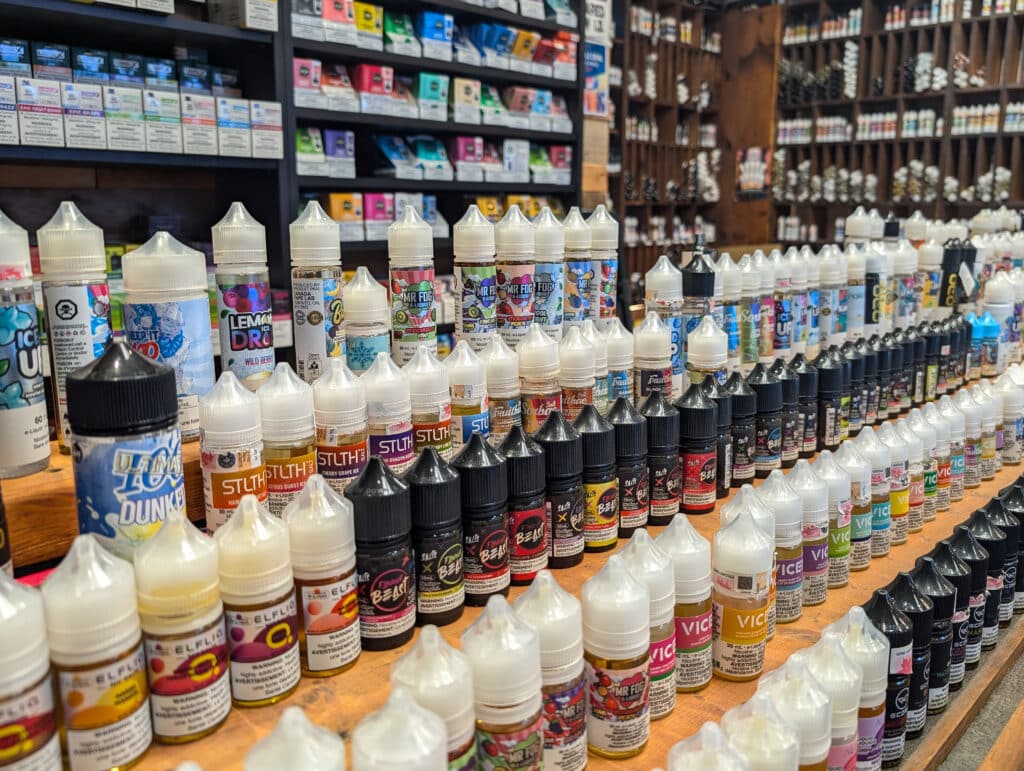
However, the organization points out, manufacturers are deploying aggressive marketing strategies specifically targeting teenagers: sweet or fruity flavors reminiscent of candy, promotion on social networks and video game platforms, as well as devices with a discreet design that evoke electronic gadgets more than tobacco products.
For Zenia Saridaki, nicotine has thus been reconfigured in the digital space as a modern and relatively harmless product. The visibility of these practices on social media contributes to making vaping socially acceptable among young people.
The WHO calls on Greece to strengthen its regulations and protect itself from the influence of the tobacco lobby.
To reduce consumption among young people, the global agency calls for the strong enforcement of the provisions of the treaty that the country has ratified. Furthermore, the organization recommends adopting equivalent measures to prevent the consumption of e-cigarettes and other nicotine products that may have been authorized on the market.
Experts believe, however, that the effectiveness of these measures will depend above all on their effective implementation, as well as increased awareness and coordination within the framework of an overall strategy, with a clear objective of reducing prevalence.
Finally, as with other countries, the WHO called for the full implementation of Article 5.3 of the WHO Framework Convention on Tobacco Control (FCTC) to protect public health policies from any interference by the tobacco industry. This issue is particularly relevant to Greece: pro-tobacco and new product lobbying is very persistent in this country and attempts, in particular, to weaken the health policies of Greece and other countries – such as the United Kingdom's "tobacco-free generation" policy, the revision of European directives on tobacco products or even international negotiations between Parties during the COPs.
AD
[1]Tasos Kokkinidis, Vaping and Smoking Surge Among Greek Youth, Greek Reporter, published March 16, 2026, accessed the same day
[2]Giorgos Sakkas, Smoking in Greece: High Rates, Shifting Habits, Tovima.com, published March 3, 2026, accessed March 16, 2026