The major consequences of abolishing the Office of Tobacco Control in the United States
April 23, 2026
Par: National Committee Against Smoking
Dernière mise à jour: April 22, 2026
Temps de lecture: 7 minutes
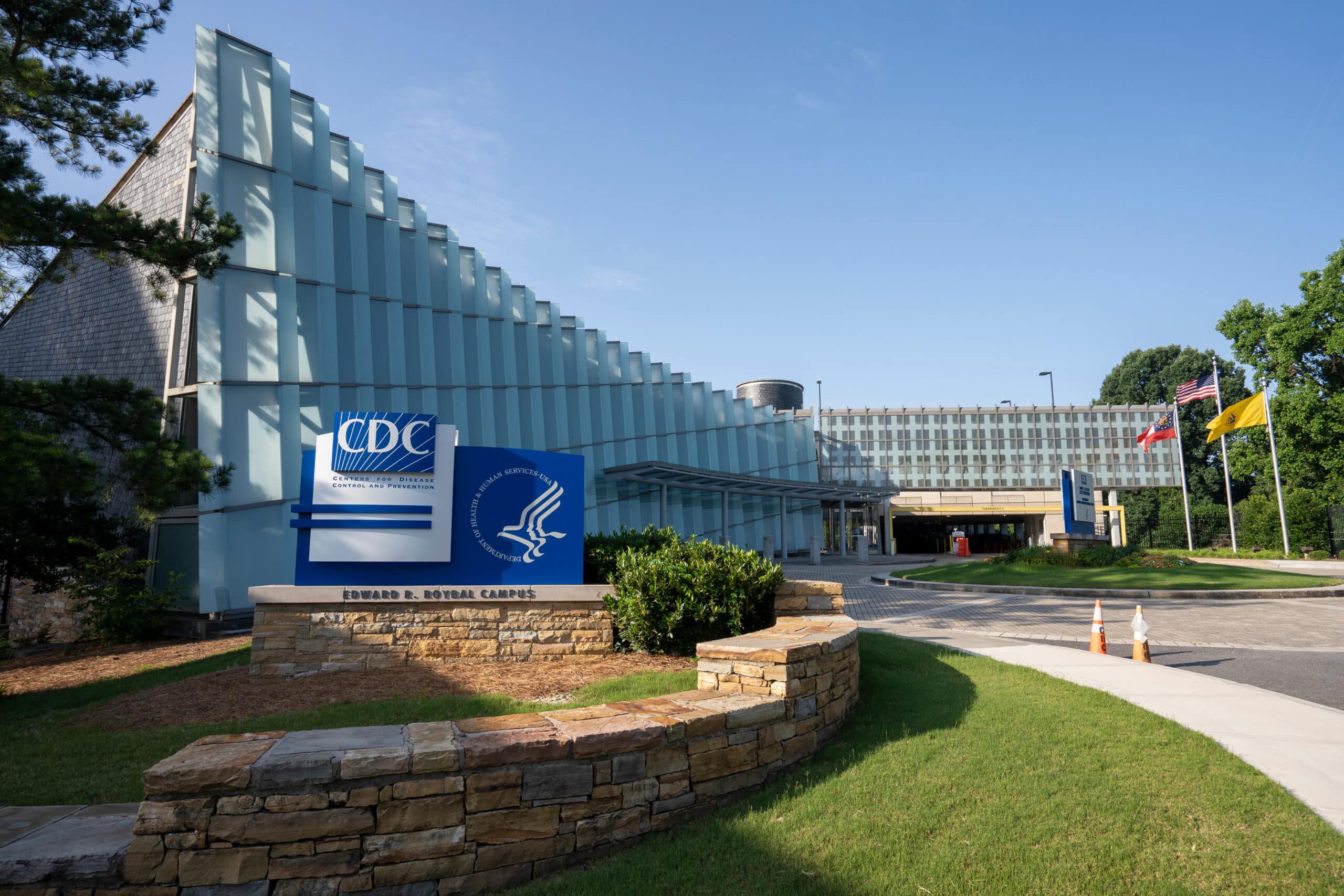
In an editorial published in Tobacco Control, Timothy McAfee, a professor in the Department of Behavioral and Social Sciences at the University of California, San Francisco, describes the closure of the Office of Tobacco Control and Health (OSH) within the U.S. Centers for Disease Control and Prevention (CDC) as an event with consequences extending far beyond the U.S. administration.[1]. According to him, the abrupt dismantling of this structure, which he led from 2010 to 2017, began on the 1ster The April 2025 deadline weakens one of the pillars of tobacco control in the United States and could also undermine global tobacco control policies. Beyond the symbolic aspect, McAfee emphasizes that the elimination of the OSH has caused a breakdown in federal coordination, state funding, and the flow of scientific data necessary for prevention.
The abolition of the OSH, which is central to the fight against tobacco, raises serious issues.
The editorial revisits the OSH's historical role in the American public health system. This unit was not merely an administrative service: it funded state smoking cessation programs, supported smoking cessation hotlines, spearheaded public health campaigns, and contributed to epidemiological surveillance systems for tobacco use. McAfee emphasizes that the OSH was the primary source of federal funding for smoking cessation programs in states, territories, and many Native American communities. He also notes that the national "Tips From Former Smokers" campaign played a key role in smoking cessation, generating millions of calls to helplines and preventing hundreds of thousands of premature deaths, according to the estimates cited. For the author, this type of campaign represents a public health tool that is difficult to replace in the short term.
One of the most serious consequences of this dismantling is the deterioration of epidemiological surveillance. According to McAfee, the demise of the OSH has weakened the CDC's ability to track smoking trends among both youth and adults and to publish authoritative scientific summaries. He cites, in particular, the decline in surveys such as the National Youth Tobacco Survey (NYTS) and the difficulty the CDC has in producing certain follow-up reports.
This loss of control has concrete effects on the states: initially frozen and then released in an emergency, federal funding for tobacco control programs has remained uncertain, forcing local authorities to adapt hastily. The editorial mentions programs threatened with reduction, or even closure, in several states, particularly where smoking rates remain high and local resources are limited. The challenge to the CDC's tobacco control office was partially contained thanks to public mobilization and a vote by Congress, which restored funding for 2026. However, this funding remains fragile, as the administration has not reactivated the teams involved and is not proposing any funding for CDC tobacco control activities in its next budget.
McAfee also emphasizes the weakening of smoking cessation helplines, which had been deployed nationwide with stable federal support. Without clear funding and scientific guidance, those most addicted risk having less access to effective cessation services.
He points out that 28 million American adults smoke tobacco, that more than 2 million young Americans consume tobacco products, and that more than 490,000 premature and preventable deaths are linked to smoking each year.
The powerful tobacco industry lobby is associated with this turning point
Beyond a budgetary or administrative interpretation, McAfee also sees this as the result of a long-term influence strategy employed by the tobacco industry and its allies. He describes a range of methods—lobbying, funding for think tanks, political contributions, and influence within pressure groups—and the overlapping presence of former industry figures in public positions and former public officials who subsequently worked for the industry. This entire strategy of interference created an environment conducive to the weakening of the OSH.
The industry has devoted considerable sums to this strategy: it is estimated to have spent US$24 million (€20 million) daily on marketing for decades and hundreds of millions of dollars annually on lobbying and public relations. More than 275 lobbyists and lobbying firms were registered in the US states in 2025, an increase of 24 million compared to 2024. Contributions from tobacco companies, including a subsidiary of RJ Reynolds, were reportedly made to Donald Trump's presidential campaign..
The author goes further, linking this development to a broader attempt by the industry: not only to resist public policies, but to neutralize the institutions that design and defend them. In his view, the attack on the OSH is part of a long-term strategy in which the industry seeks to reduce the state's capacity to act in the fight against smoking.
He also points out that this dynamic touches on sensitive issues such as taxation, restrictions on flavors, raising the legal sales age, and reducing nicotine in cigarettes. The underlying challenge is to maintain a regulatory environment conducive to continued sales while simultaneously weakening the mechanisms that make tobacco less accessible.
A warning for the United States and the world
For McAfee, the impact is not solely national. The OSH also played an international role, particularly in epidemiological surveillance networks and the sharing of scientific expertise. Its weakening could therefore affect the ability of several countries to monitor tobacco use and develop coordinated responses.
The author argues that tobacco control still has room for maneuver, even in the face of a very powerful industry, but that it depends on strong institutions, sustainable funding, and constant vigilance against the influence of tobacco companies. The text emphasizes three priorities: maintaining independent monitoring and research, protecting public policies from industry pressure (an obligation stipulated in Article 5.3 of the WHO Framework Convention on Tobacco Control, which the United States has not ratified), and strengthening national and local coalitions, particularly through dedicated funding from tobacco taxes. However, it warns that fragmented or ad hoc support will not be enough to compensate for the loss of a leading national structure.
He also advocates a "tobacco-free generation" approach: gradually reducing the industry's power, limiting the appeal of products to young people, and supporting stronger measures such as tax increases, sales restrictions, lower nicotine levels, and bans on flavored products. Finally, the author emphasizes that tobacco control remains a collective movement, not simply an administrative program, and that civil society in the United States must be particularly active for the country to regain a more robust role and achieve lasting reductions in the consumption of tobacco and new nicotine products.
AD
[1]McAfee T., What the assault on the US Centers for Disease Control's Office on Smoking and Health means for the USA and Global Public Health, Tobacco Control, published April 20, 2026, accessed April 21, 2026