Belgium is asking the EU to limit the ingredients in vaping products and to ban puffs.
March 31, 2026
Par: National Committee Against Smoking
Dernière mise à jour: March 31, 2026
Temps de lecture: 5 minutes
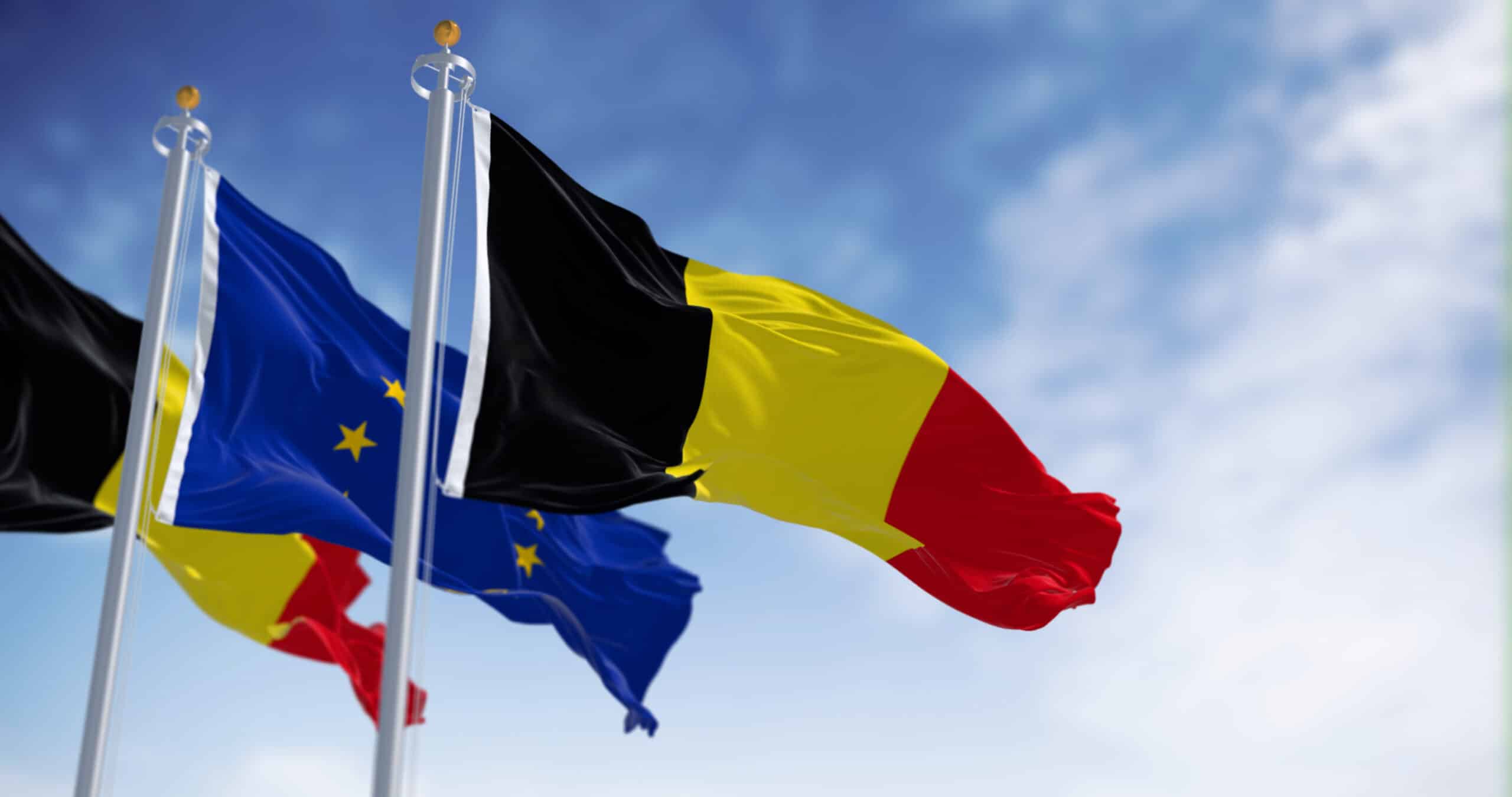
Belgian Health Minister Frank Vandenbroucke is taking advantage of a key period in the review of European rules on tobacco and new nicotine products to call on the European Union to tighten its regulations on e-cigarettes, particularly those targeting young people. While the Commission is preparing an update to the legislation governing tobacco and vaping products, and the 27 member states are negotiating a revision of tobacco and new nicotine product taxation, Belgium is advocating for a stricter approach, including a blanket ban on puffs, limitations on flavorings, and harmonization of permitted substances across the EU.
Call for stricter European regulation of products
Belgian Health Minister Frank Vandenbroucke has called on the European Union to strengthen its measures against vaping, which he describes as an "epidemic".’[1]. During a visit on Wednesday, March 25, to the Sciensano Institute in Brussels by the European Commissioner for Consumer Protection, Michael McGrath, he accused the electronic cigarette industry of targeting young people when these products should be limited to an aid to smoking cessation.
These products contain over 2,000 officially registered ingredients, as well as heavy metals (nickel, tin, lead) which are released, and new combinations of toxic substances are emitted during the heating process. This results in health risks.[2]. Nicotine, on the other hand, is extremely addictive and also affects the brain development of young people, contributing to difficulties with attention, memory and self-control, thus increasing the risk of anxiety and depression.
Mr. Vandenbroucke calls for uniform European regulations setting out the substances allowed in e-cigarettes and banning disposable or "puff" models across the EU, a measure already in force in Belgium and France.
He also argues for limiting flavors to those of tobacco, like the Netherlands, in order to restrict the appeal for young people of colorful, sweet or fruity flavors that encourage initiation and contribute to the establishment of addiction.
Michael McGrath acknowledged the scale of the problem and called for enhanced cooperation between member states. After examining laboratory tests at Sciensano, he advocated for better use of existing research and increased coordination among national authorities.
The European Commission is expected to publish its proposal for a new text by the end of the year.
A request made amidst a European review of the taxation of tobacco and vaping products.
This Belgian initiative comes as negotiations are underway regarding the revision of the tobacco excise directive, including new products (electronic cigarettes, heated tobacco, nicotine sachets).
The European Commission has proposed increasing minimum excise duty rates, adjusted to each country's price level, to reduce disparities between Member States. The text extends the directive to new nicotine products, with specific minimum duties, to address their market growth. These measures also aim to combat the black market by strengthening controls on raw tobacco through the EMCS system (the computerized system for monitoring the movement of excise goods). Thus, the Commission's proposal aims to reduce differences between Member States and improve control over new products, while allowing them the flexibility to adapt their tax regulations, which fall within their competence, to market developments.
On Tuesday, delegations from the 27 member states examined a new document presented by the Cypriot presidency as a constructive basis, although major differences persist. Cyprus has stated its aim is to reach an agreement before the end of its term., This has caused concern among experts and public health NGOs, who point to the country's close ties to the tobacco industry.[3]. In this regard, the other Member States also criticized for their close ties to the interests of the tobacco industry (Greece, Italy, Poland, Bulgaria, Romania, etc.) welcomed this latest proposal which provides, among other things, for a transitional period with lower minimum taxes for new products.
Belgium, on the other hand, and other member states such as France, consider that the prevalence of smoking in Europe is not decreasing quickly enough to meet the objectives of the European Plan against Cancer, which aims for less than 5% of the population to be tobacco smokers by 2040. Currently, this percentage stands at around 24%.
The working group has committed to holding two further meetings in the coming months to continue negotiations and finalize a definitive text by the summer. The expected text requires unanimous agreement to be adopted.
AD
[1]Belgium calls for tougher EU rules on vaping, Belga News Agency, published on March 25, 2026, accessed on March 27, 2026
[2]Vandenbroucke calls on the EU to act in the face of a “vaping epidemic”, 7sur7, published on March 26, 2026, accessed on March 27, 2026
[3]Álvaro Villarroel, Cyprus submits to the Twenty-Seven a draft on tobacco tax directive “that takes into account the concerns”, Demócrata, published on March 25, 2026, accessed on March 27, 2026