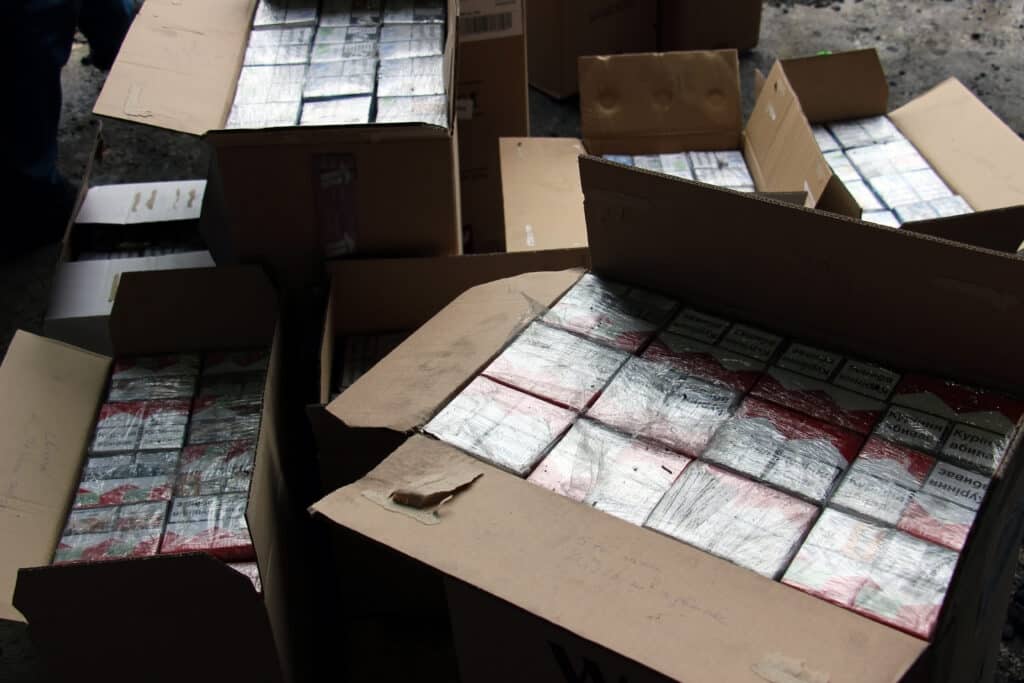
Brazil, a good student in the fight against the illicit tobacco trade
November 24, 2020
Par: communication@cnct.fr
Dernière mise à jour: November 24, 2020
Temps de lecture: 3 minutes

According to the 2019 Brazilian National Health Survey, Brazil has its lowest smoking rate in over fifty years (13%). These good figures are the result of the implementation of coherent policies to combat the tobacco epidemic[1].
This decline in smoking prevalence is, however, contested by the tobacco industry, according to which consumption levels are increasing, in particular due to the increase in illicit trade in tobacco products.
Illicit trade down in Brazil
These claims, common among the tobacco industry, are however contradicted by the figures. Illicit trade in tobacco products in Brazil represents 34.7% of the national market, 8 points below the 2016 estimates. This situation is explained by the implementation by Brazil of a series of measures aimed at reducing illicit trade, in particular through the ratification in May 2018 of the World Health Organization Protocol to Eliminate Illicit Trade in Tobacco Products.
Brazil committed to combating illicit trade in tobacco products
This decline in illicit trade observed in Brazil is due in particular to the fact that the country has implemented a system of monitoring and tracing of products that is independent of cigarette manufacturers. Given the great responsibility of the tobacco industry in organizing and facilitating illicit trade, the establishment of an independent control system is one of the essential conditions set out in the Protocol.[2].
The interest of illicit trade in tobacco products
The illicit trade in tobacco products has two main interests for the industry. First, it allows it to avoid the taxes applied to it by the public authorities. As a result, tobacco products are cheaper and more accessible to the population, to be sold by young people and disadvantaged groups. Finally, the tobacco industry regularly overestimates the levels of illicit trade compared to reality. This overestimation allows it to denounce anti-smoking policies, starting with tax increases, by claiming that they encourage illicit trade and organized crime.
Public authorities under pressure from industry
These elements must, however, be qualified. The Tobacco Industry Interference Index, which ranks 57 FCTC member countries according to their ability to resist tobacco companies' influence strategies, highlights a clear deterioration in the situation in Brazil. The country is in fact the country whose index has shown the worst evolution from one edition to the next, demonstrating the strong interference activity of the tobacco industry to block or reduce the effectiveness of public health policies.[1].
Keywords: Brazil, Illicit trade
[1] Brazil's illicit cigarette trade surveillance is a model to follow, Tobacco Atlas, 11/22/2020, (accessed 11/24/2020)
[2] Protocol to Eliminate Illicit Trade in Tobacco Products, WHO
[3] New 'Global Tobacco Industry Interference Index' Shows Hope, STOP, November 23, 2020, (accessed 11/26/2020) National Committee Against Smoking |