In the Philippines, the Ministry of Health is considering banning electronic cigarettes.
November 28, 2025
Par: National Committee Against Smoking
Dernière mise à jour: November 26, 2025
Temps de lecture: 4 minutes
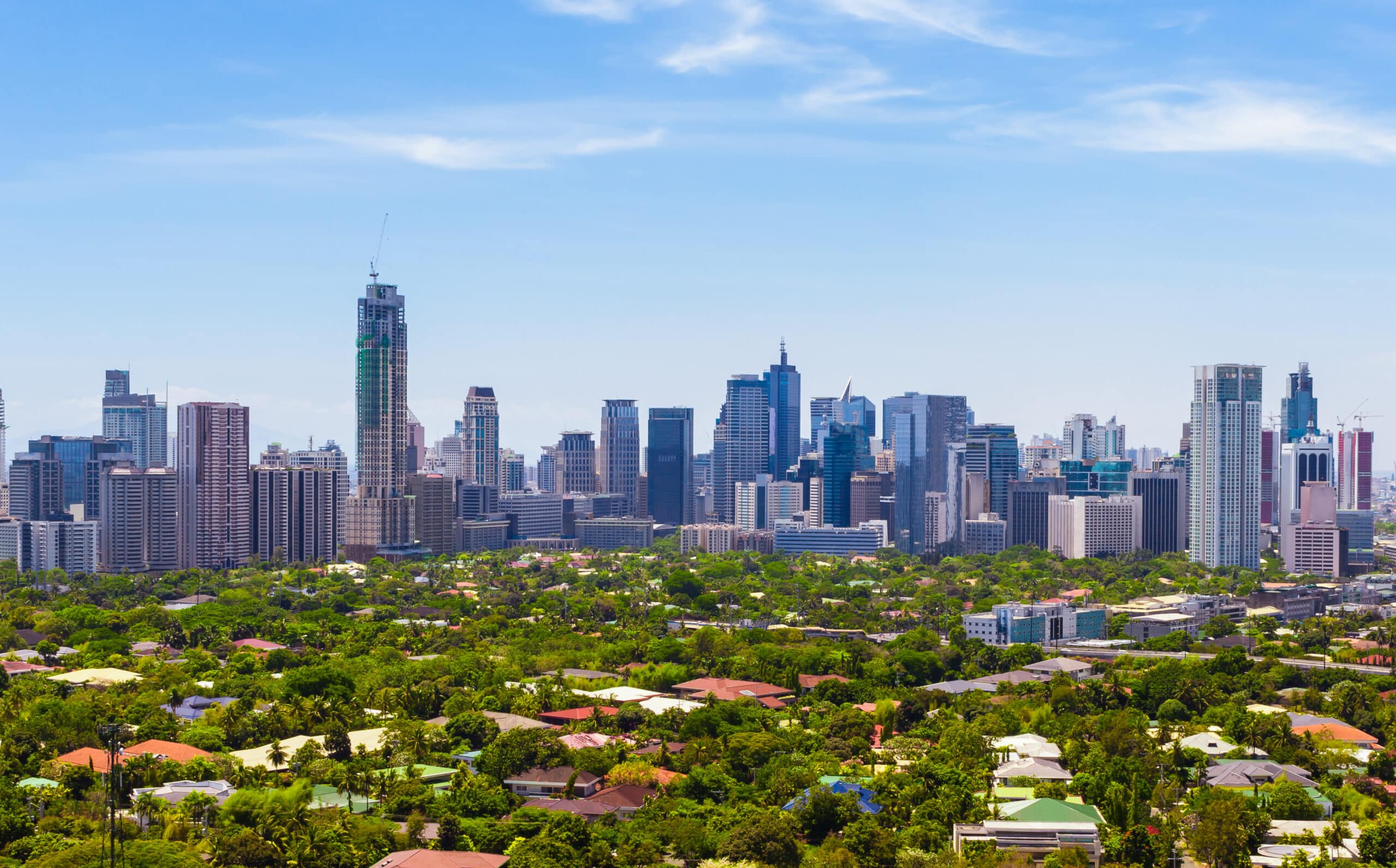
The Philippine Department of Health has declared a total ban on e-cigarettes necessary, after observing that companies in the sector continue to target young people in their advertising campaigns, even though these products are restricted to people 18 years of age and older.[1]. According to the ministry, data from the 2019 Global Youth Survey indicates that seven out of ten Filipino youth aged 13 to 15 already use vaping products. Health Secretary Ted Herbosa points out that the sweet and varied flavors, colorful packaging with childlike themes, as well as the use of cartoons in marketing, contribute to making these products particularly appealing to young people.
Increasing use among minors is raising health concerns
While a national survey indicated in 2023 an annual increase of one million new smokers and vapers aged 10 to 19[2], Ted Herbosa observes that, despite existing regulations, many minors vape openly, sometimes even in school uniform. He believes that the industry's marketing strategies encourage early initiation and increase the risk of nicotine addiction.
In a statement, the Ministry of Health emphasized that vaping devices and liquids contain harmful chemicals that can cause lung disease and potentially contribute to cardiovascular disease and cancer. It reported that the Philippines recently recorded its first death from vaping-associated lung injury (EVALI), involving an individual who had been vaping daily for two years.
Restrictive measures concerning electronic cigarettes are becoming widespread internationally.
In the Philippines, a potential ban would be in line with initiatives aimed at protecting young people from the practices of certain industries that are particularly harmful to their health. This was the case with Bill 1231, introduced in 2022 by Senator Lito Lapid, which aimed to ban the sale of sugary drinks and junk food in public schools. Earlier in the year, medical experts had already urged candidates in the midterm elections to increase taxes on cigarettes, e-cigarettes, and alcohol in order to curb consumption and prevent a "« epidemic among young people »growing[3].
Health organizations such as ASH Philippines, ImagineLaw, Youth Against Vape, Health Justice Philippines, and the Philippine Movement for a Smoke-Free World are particularly supportive of strengthening measures or even banning these products in the country.[4]. Herbosa points out that several Southeast Asian countries, such as Singapore, Malaysia, Thailand, Vietnam, Cambodia, Laos, Brunei Darussalam, Taiwan and Hong Kong have already imposed a total ban on electronic cigarettes.
Beyond the region, he also cites the example of the United Kingdom, which, after adopting a very permissive policy regarding vaping products, recently implemented a series of restrictive measures to reduce consumption among young people, which has increased significantly. The British government thus launched consultations in 2023 aimed at restricting the flavors, packaging and presentation of electronic cigarettes as part of a comprehensive anti-smoking strategy.
AD
[1]Ron Lim, Department of Health recommends a total ban on vapes, GMA Network, published November 24, 2025, accessed November 25, 2025
[2]GMA Network, DOH reiterates campaign against smoking, vaping, Published on November 22, 2025, accessed on November 25, 2025
[3]Jel Santos, Doctors urge 2025 candidates to push for 'pro-health' taxes, Manila Bulletin, published March 5, 2025, accessed November 25, 2025
[4]Anton Banal, DOH mulls push for vape ban, Sunstar, published on November 23, 2025, accessed on November 25, 2025