Tobacco taxation: Malta's blockage delays European reform
November 16, 2026
Par: National Committee Against Smoking
Dernière mise à jour: November 16, 2026
Temps de lecture: 6 minutes
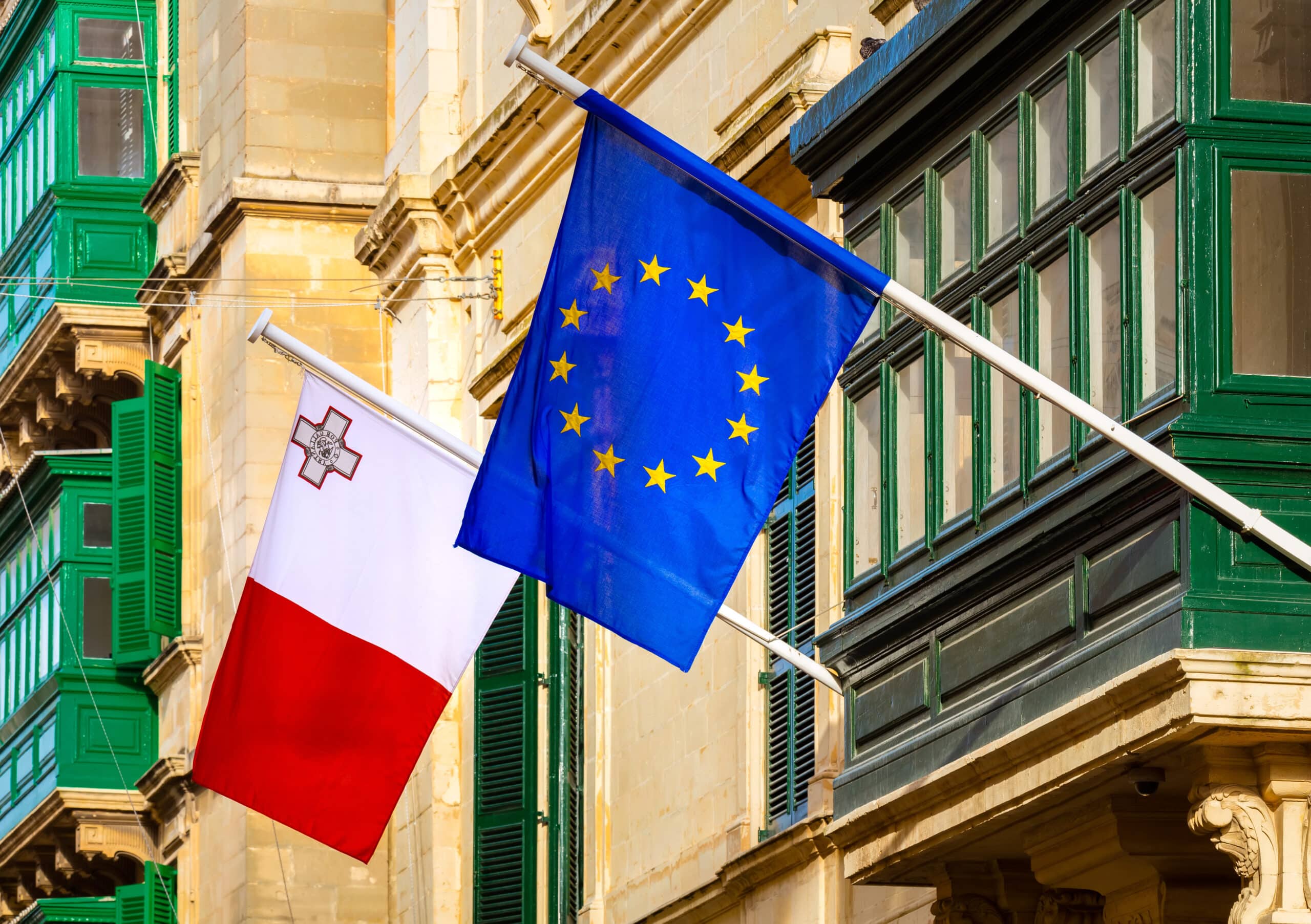
The proposed overhaul of European tobacco taxation has hit a snag in the Council of the European Union. Malta is opposing a compromise on the new excise rules, thus delaying a reform championed in the name of public health and the fight against smoking. The debate centers in particular on the level of taxation on tobacco products and the EU's ability to further harmonize rules among member states.[1].
A compromise supported by 26 member states, but blocked by the unanimity rule on taxation.
On November 9, 2026, the European Union's finance ministers, meeting in Brussels for the Ecofin Council, failed to reach an agreement on the revision of the European directive on the taxation of tobacco products. According to the Irish Finance Minister, Simon Harris, who chaired the meeting, 26 of the 27 member states supported the compromise presented by the Irish presidency. Malta, however, maintained its opposition. Since European decisions on tax matters require unanimity among member states, the text could not be adopted.
Maltese Finance Minister Clyde Caruana believes the proposed minimum tax rates could have disproportionate consequences for his country and argues for maintaining taxation within national prerogatives. He also opposes the automatic rate adjustment mechanism, which he believes would reduce the room for maneuver of member states.
The Irish presidency subsequently introduced further compromises, including a future review of the taxation of nicotine pouches and the suspension of automatic inflation-linked adjustments to minimum levies until the next revision of the directive. While these concessions secured the support of Finland, Estonia, and Sweden, Malta maintained its opposition.
An increase in minimum thresholds for cigarettes and an extension to new products
The reform proposed by the European Commission in July 2025 aims to update minimum tax thresholds that have not been revised for over ten years and whose incentive effect has gradually weakened with inflation. In particular, it provides for more than doubling the European minimum levy on cigarettes, currently set at €90 per 1,000 units, to gradually increase it to €140 in 2028, €170 in 2030, and €200 in 2032, according to the compromise discussed in November.[2].
The text also aims to extend the tax framework to several new products placed on the market since the last directive, containing tobacco or nicotine. These include heated tobacco, e-cigarette liquids (including nicotine-free ones), and nicotine pouches. It therefore provides for the establishment of minimum levies for these categories. A transition period until 2036 would also be granted to certain Member States to fully implement the new rates.
" There is a public health emergency in the EU regarding nicotine pouches, vaping and tobacco » Harris said at a press conference.
Taxation, a preventive tool that is still insufficiently utilized
A strong and sustained fiscal policy is the most recognized and effective public health tool for reducing tobacco consumption. It significantly helps prevent young people, who are more sensitive to price fluctuations, from starting to smoke, and it provides a strong incentive for smokers and other users of nicotine products to quit. Sufficiently high and regularly updated taxes help limit the affordability of tobacco products and prevent inflation from gradually eroding the impact of tax increases.
Several European public health organizations had already warned, in May 2026, of the risk of the reform being weakened during the negotiations.. In a joint statement, they denounced, in particular, the proposals to reduce minimum rates, relax indexation mechanisms, and lengthen transitional periods. They called on Member States to maintain the Commission's initial level of ambition, in order to make this revision a more effective tool for preventing and protecting younger generations. This public health objective has not been achieved, and the current deadlock concerning this revision of the taxation directive underscores the extent of the tobacco industry's interference, whose aim is to prevent the adoption of the text.
New discussions expected in December
The Irish presidency intends to continue negotiations with Malta ahead of the next Ecofin Council meeting, scheduled for December 11, 2026. Simon Harris expressed hope that an agreement could be reached at that meeting, emphasizing the importance of the reform in addressing the public health challenges related to tobacco and new nicotine products. However, in the absence of unanimity, the proposal remains stalled and the current rules continue to apply.
For public health stakeholders, the challenge now is to ensure that the reform is ambitious enough so that European taxation truly contributes to reducing tobacco and nicotine consumption, rather than simply being a compromise between national fiscal interests. They emphasize that this legislation on taxation is a key element in achieving the goal of a tobacco-free generation in the EU by 2040, meaning less than 5% of adult smokers.
AD
[1]Finance Minister says Irish Presidency's compromised proposal on tobacco taxation “balanced”, no agreement at ECOFIN, CBN, published on November 10, 2026, accessed the same day
[2]Malta Blocks EU Deal on New Tobacco Taxes, Politis, published on November 10, 2026, accessed the same day