European Parliament: Tobacco lobbying intensifies, WHO called upon to clarify rules
November 10, 2026
Par: National Committee Against Smoking
Dernière mise à jour: November 6, 2026
Temps de lecture: 7 minutes
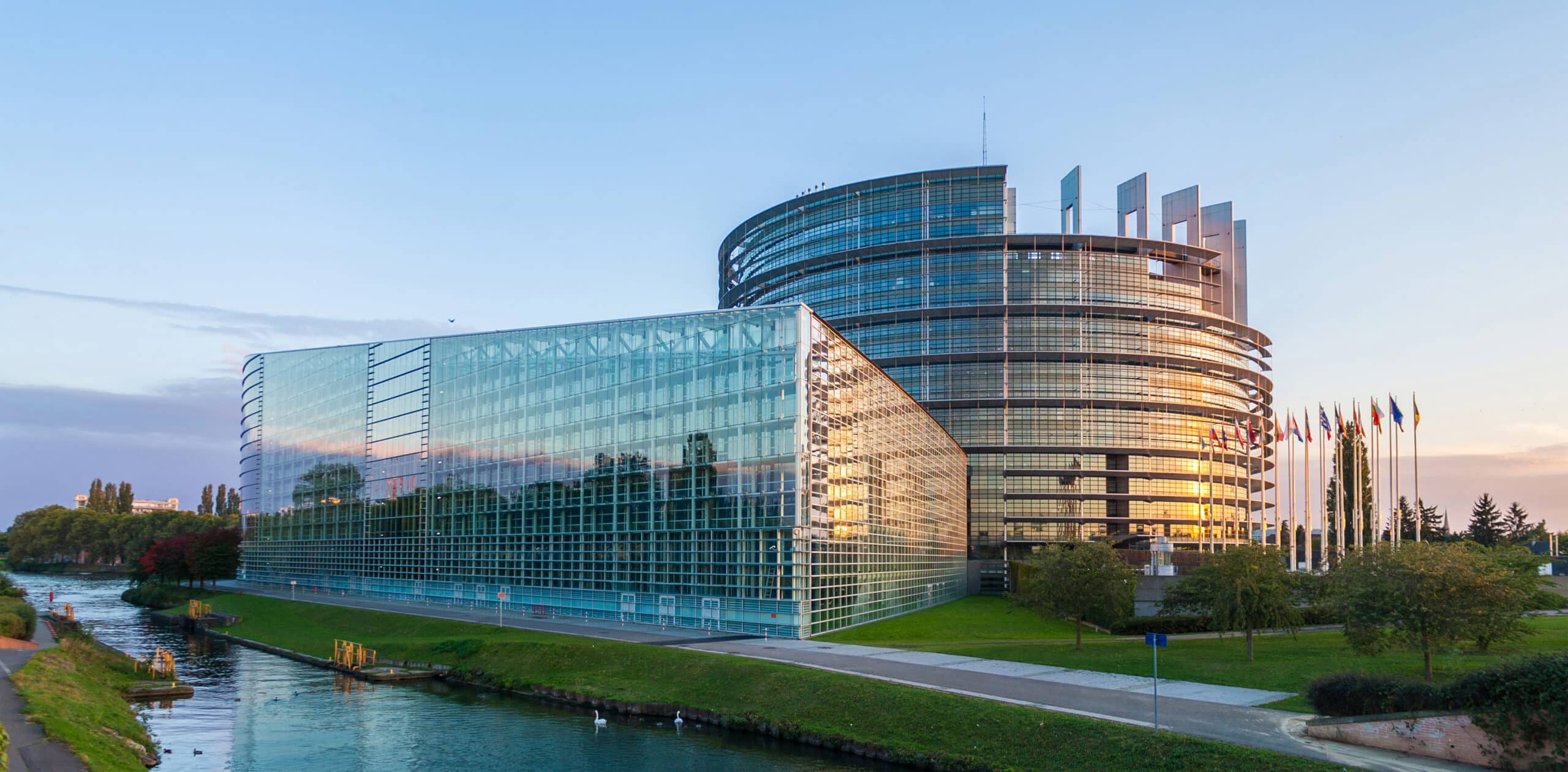
More than 400 meetings between representatives of the tobacco industry and MEPs have been reported since the start of the parliamentary term in July 2024. This is four times more than during the entire previous parliamentary term. This increase coincides with the European Union's revision of several key texts on tobacco and nicotine products. In this context, the Dutch foundation Youth Smoking Prevention sent a letter on October 26, 2026 a letter to the European Commissioner for Health, Olivér Várhelyi. She asks the Commission to consult the Secretariat of the WHO Framework Convention on Tobacco Control (FCTC) in order to obtain an explicit position confirming that Article 5.3 of the Convention, which protects public health policies from the influence of industry, applies fully to parliamentarians and their teams.
A proliferation of meetings, concentrated on a few key players
According to data from the European Union's Transparency Register compiled by the European coalition of non-governmental organizations, Smoke Free Partnership, and analyzed by Politico[1], More than 400 meetings with representatives of the tobacco and nicotine industry have been declared by MEPs since the summer of 2024, compared to around 100 for the entire 2019-2024 legislative term. The Dutch platform TabakNee[2] As of October 1, 2026, 438 cases had been recorded. These involved 193 of the 720 MEPs, representing 40 national parties. These figures are based on declarations made by the elected officials and are therefore likely a conservative estimate.
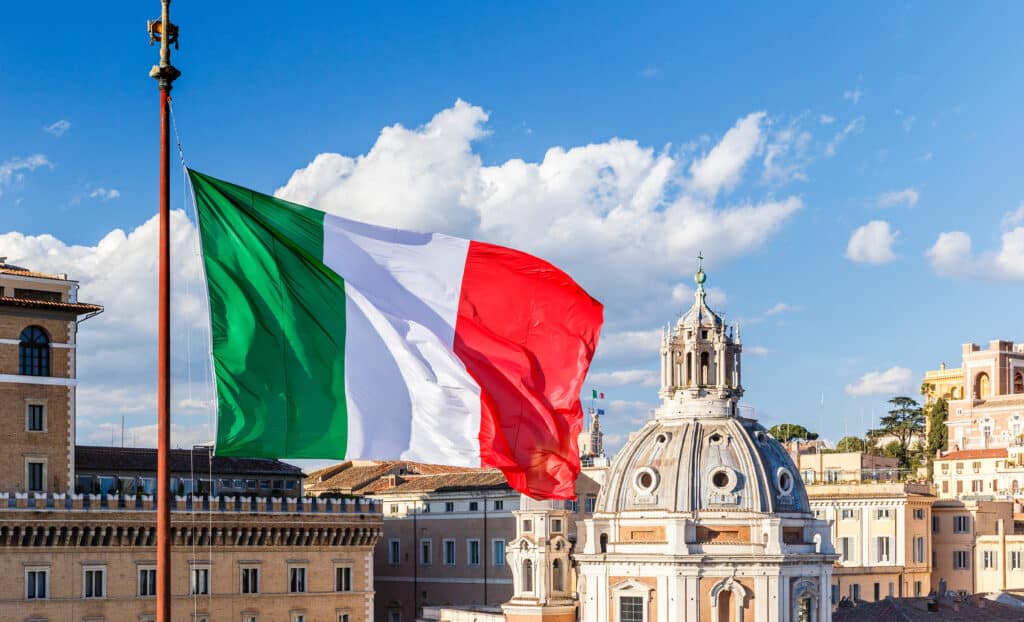
Approximately 75% of these meetings took place with MEPs from the European People's Party (EPP), the European Conservatives and Reformists (ECR), and Patriots for Europe. The EPP alone accounted for 133 meetings. In the industry sector, Philip Morris International (PMI) leads by a wide margin with at least 178 reported meetings, ahead of British American Tobacco (BAT) with 60. According to Transparency International EU, PMI ranks fourth among companies that met with the most MEPs and parliamentary assistants, behind Meta, Google, and Apple. Italian MEPs, whose country is the EU's leading producer of tobacco leaves, were involved in more than one in five meetings. They were followed by MEPs from Germany, Spain, the Czech Republic, and Romania.
The Smoke Free Partnership observes that these meetings focus on major legislative initiatives, particularly the revision of the Tobacco Products Tax Directive. Its director, Erin Roman, emphasizes that while the meetings themselves do not prove direct influence on decisions, they demonstrate the industry's efforts to shape the legislative debate. The organization also points to a significant disparity in resources available to health professionals in their advocacy work. This imbalance is further exacerbated by the elimination of European subsidies last year.
Article 5.3 of the CFC at the heart of the debate
Article 5.3 of the UNFCCC, a convention to which the European Union is a party, mandates the protection of public health policies on tobacco control against the commercial and other interests of the tobacco industry. It does not prohibit exchanges with the industry, but its guidelines stipulate that interactions must be limited to what is strictly necessary for regulating the sector and that transparency must be ensured. These guidelines specify that these obligations apply to all branches of government: executive, legislative, and judicial.
Based on these provisions, the Youth Smoking Prevention Foundation, chaired by pulmonologist Wanda de Kanter, considers it unacceptable that tobacco lobbyists have unlimited access to the European Parliament. A statement from the Secretariat of the Framework Convention on Tobacco Control (FCTC), which can issue a ruling at the request of a Party, would, according to the foundation, restrict this access and set a precedent for all Member States. Several MEPs share this concern. MEP Tilly Metz (Greens/EFA) deemed it «incompatible» to meet regularly with the tobacco industry while working on health issues. A parliamentary initiative aimed at restricting tobacco lobbyists' access to elected officials failed earlier this year, however, as these lobbyists immediately exerted strong pressure.
The industry disputes this interpretation. It cites a 2022 ruling by the Court of Justice of the European Union, which states that the Convention does not prohibit industry participation in tobacco control efforts, and argues that the FCTC does not cover tobacco-free nicotine products. WHO Europe rejects this interpretation. Kristina Mauer-Stender, Regional Advisor for Tobacco Control, points out that Article 5.2(b) of the Convention explicitly aims to prevent and reduce tobacco use, as well as nicotine addiction. Furthermore, Article 5.3 covers all activities undertaken by the industry and is not limited to tobacco products alone. Moreover, the decisions of the Conference of the Parties have progressively incorporated new and emerging tobacco and nicotine products.
Key texts currently under review
This intensification of industry relations with public policymakers comes at a crucial time. The revision of the Tobacco Products Tax Directive, proposed by the Commission in July 2025, is intended to set minimum rates and broaden the scope of products covered. It is currently being examined by the EU Council and has been the target of numerous blocking attempts. Proposals for the revision of the Tobacco Products Directive (TPD) and the Tobacco Advertising Directive (TAD) are expected before the end of the year. Civil society argues that the industry is seeking to block any regulation or, failing that, to obtain a flexible framework for new nicotine products, which it presents as «modified risk» products.
Effects on parliamentary texts are already being observed. During the examination of a non-binding report on cardiovascular diseases this summer, amendments from the EPP replaced the objective of regulating nicotine «identical» to that of tobacco with that of «appropriate rules.» This wording was retained in the final report. For Spanish MEP Nicolás González Casares (S&D), «the groups that meet most frequently with industry are those that weaken the rules.» The 2014 precedent is also cited: during the last revision of the TPD, amendments from Parliament allowed e-cigarettes to remain on the market as everyday consumer products, instead of restricting their sale to pharmacies.
According to the Youth Smoking Prevention Foundation, the influence of the industry on parliamentarians largely explains the frequent weakening of anti-smoking policies, even though the European Union has set itself the goal of a tobacco-free generation by 2040.
AE
[1] Dominic Giannini and Hanne Cokelaere, Tobacco lobby steps up Brussels push as EU rewrites rules, Politico, published October 26, 2026, accessed October 29, 2026
[2] Door must be closed for tobacco lobby in Brussels, TabakNee, published on October 29, 2026, accessed the same day
National Committee Against Smoking |