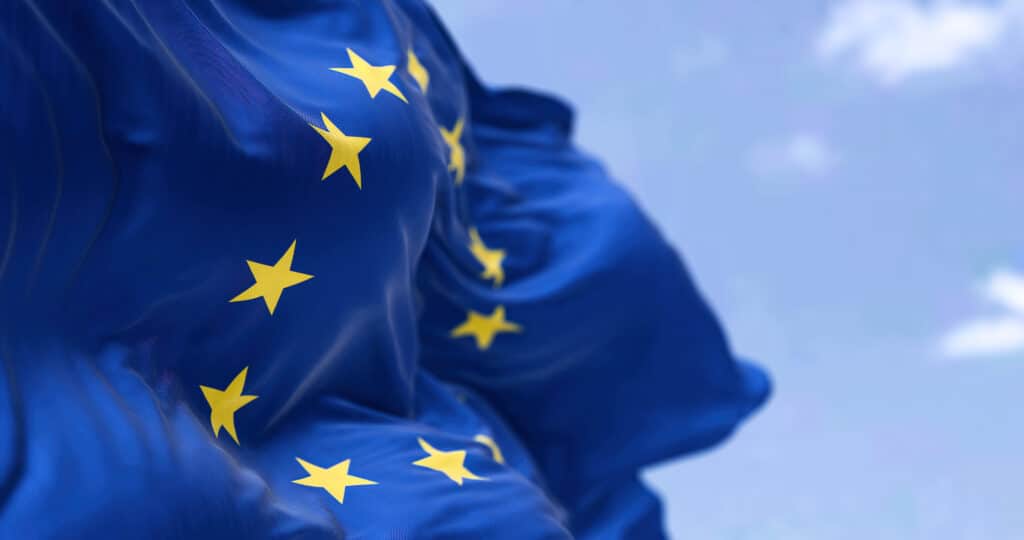
European health organizations are warning of the risks of legalizing nicotine pouches in Germany.
September 22, 2026
Par: National Committee Against Smoking
Dernière mise à jour: September 15, 2026
Temps de lecture: 5 minutes
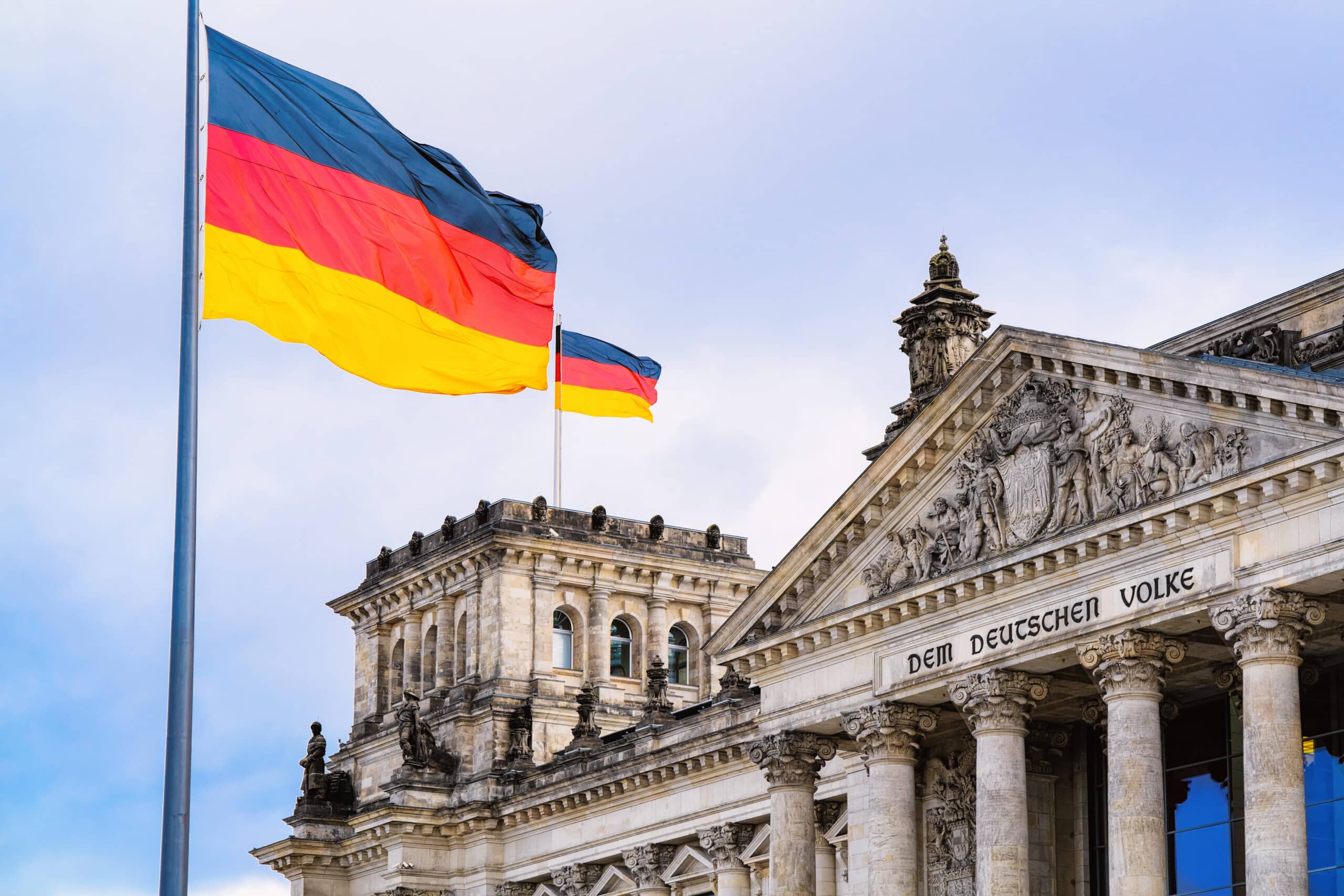
The European Smoke Free Partnership coalition, bringing together non-governmental health organizations from different European countries, supports the appeal by the German Medical Association (Bundesärztekammer or BÄK) to the German government to maintain the ban on the sale of nicotine pouches in the country.[1]. These products are currently banned from sale, even though manufacturers have launched them on the market illegally. Significant pressure is being exerted by manufacturers, and some politicians, particularly CDU MP Casten Brodesser, are advocating for their legalization, especially given the tax revenue they could generate. Parliamentary debates on the matter are scheduled to begin on September 25, 2026.
Nicotine, a toxic and addictive substance, has a particular appeal among young people.
The use of nicotine pouches has reportedly increased rapidly among young people in Germany, with a sharp rise in consumption among this age group, particularly those aged 14-24. Furthermore, according to the Federal Institute of Public Health, 18.9% of 18-25 year olds had already used nicotine pouches by 2025. The World Health Organization (WHO) has highlighted the appeal of these products to young people, notably due to their sweet and fruity flavors, colorful packaging, and sometimes unclear information regarding their nicotine content. The WHO has also warned about the effects of the nicotine contained in these pouches. Nicotine is inherently highly addictive; it also affects brain development during adolescence and mental health. These products are often very high in nicotine. Studies have identified pouches containing up to 50 mg of nicotine per unit, while the long-term health effects of their use remain largely unknown.
For the Smoke Free Partnership, the prospect of short-term tax revenue should not take precedence over public health considerations. Its director, Erin Roman, believes that legalization could further normalize nicotine products and encourage a new generation to become addicted to nicotine.[2].
The signatory organizations also emphasize that including nicotine sachets within the scope of European taxation does not mean that their sale should be authorized in Member States where it is strictly prohibited. Taxation and marketing authorization are two separate decisions.
Concerns have been raised regarding the influence of the industry and its business strategies on the EU and its tobacco control policy.
The German discussions come at a time when health organizations are questioning the influence of the tobacco and nicotine industry's commercial interests on public policy development. They are specifically citing Article 5.3 of the WHO Framework Convention on Tobacco Control (FCTC), which stipulates that tobacco control policies must be protected from the commercial and other interests of the tobacco industry.
Health organizations point out that the rapid development of new nicotine products is part of a strategy by tobacco manufacturers to regain market share in response to a decline in traditional cigarette consumption. They warn of the risks of legalizing nicotine pouches in Germany, which could discourage other member states from adopting stricter protection policies. This debate in Germany comes precisely as the European Union prepares a revision of its regulations on tobacco and nicotine products (TPDs).
Regulation or even a ban on these products is possible and already implemented in several EU countries.
Several neighboring countries have adopted restrictive measures. France, the Netherlands And Belgium have banned their sale and Luxembourg has established nicotine thresholds that effectively prevent their sale.. In France, regulations specifically prohibit the sale, offering, transfer, acquisition and use of oral products containing nicotine, such as nicotine sachets, outside of regulated frameworks which include tobacco products, vaping products and medicines.
AD
[1]Nicotine sachets: European health organizations support German doctors' call against their legalization in Germany, CNCT, published on September 14, 2026, accessed the same day
[2]Call against the legalization of nicotine pouches in Germany, Smoke Free Partnership, published on September 14, 2026, accessed the same day