The European Ombudsman is investigating contacts between the European Commission and tobacco lobbyists.
August 30, 2026
Par: National Committee Against Smoking
Dernière mise à jour: August 21, 2026
Temps de lecture: 6 minutes
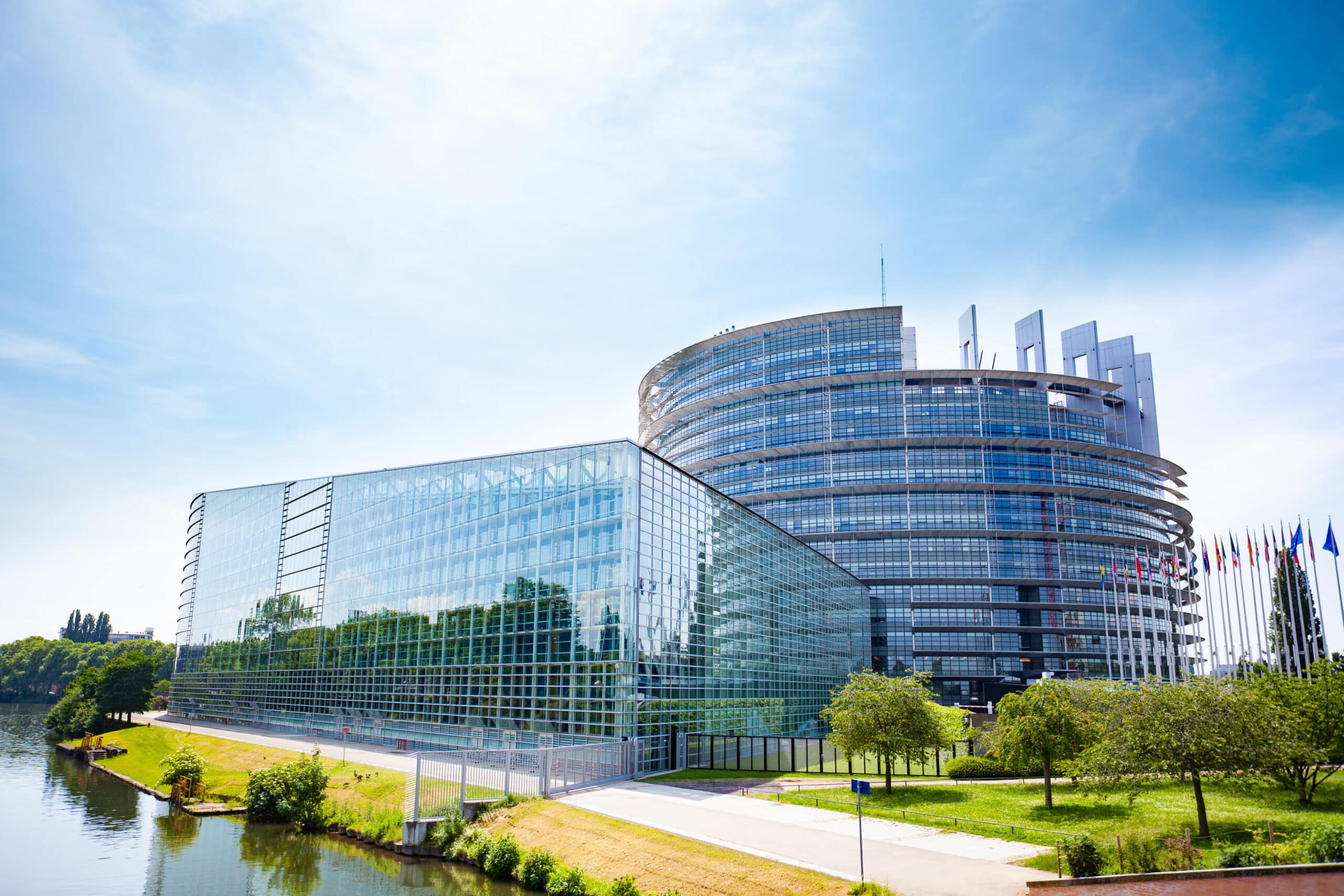
The European Ombudsman opens an investigation into contacts between the European Commission and the tobacco industry[1]. Appointed by the NGO Contre-Feu, Teresa Anjinho is tasked with examining, among other things, the exchanges between DG TRADE and manufacturers, in a context marked by several reports of undeclared contacts and the risk of interference in the revision of European rules on tobacco and nicotine. This investigation comes at a time when the implementation of the obligations of the WHO Framework Convention on Tobacco Control (FCTC), which notably requires protecting public policies against industry interests, is subject to increased scrutiny.
An investigation into contacts between the European Commission and the tobacco industry
The European Ombudsman, Teresa Anjinho, has opened an investigation into how the European Commission's Directorate-General for Trade (DG TRADE) manages its dealings with representatives of the tobacco industry. This procedure follows a complaint from the anti-tobacco alliance Contre-Feu, which believes that DG TRADE has maintained interactions "« regular, unnecessary and not transparent »"with industry. According to the organization, these contacts could compromise tobacco control and public health policies in third countries, particularly in low or middle-income countries.
Contre-Feu believes that these practices could contravene the European Union's obligations under the WHO Framework Convention on Tobacco Control (FCTC). As a party to this convention, the Union is required, in particular, to limit its interactions with the tobacco industry and ensure transparency, notably under Article 5.3 of the FCTC concerning the protection of public health policies from the special interests of the tobacco industry and its allies.
This investigation follows a 2025 report by Politico and The Examination, which revealed several exchanges between Commission representatives and the tobacco company Philip Morris International (PMI). According to documents reviewed by the media, Commission officials allegedly took measures on at least three occasions that could benefit the company, particularly regarding a tobacco tax in Turkey. PMI did not respond to journalists' requests for comment, but its website states that it engages with policymakers on various topics, including alternatives to cigarettes, trade, and taxation.
A previous decision by the Ombudsman in 2023
The current investigation also follows a 2023 ruling by the European Ombudsman, who concluded that the Commission had mismanaged the transparency of its meetings with tobacco lobbyists. She noted, in particular, that apart from the Directorate-General for Health, Commission services were not implementing their commitment to limit their interactions with tobacco industry representatives to what was strictly necessary, namely, matters related to product and industry regulation. Furthermore, when such interactions did occur, they were supposed to be transparent, which was not the case.
The Commission subsequently conducted a risk assessment related to tobacco industry lobbying and adopted several measures to regulate these interactions. A Commission spokesperson indicated that the Commission would fully cooperate with the new investigation and affirms that it is implementing the recommendations of the FCTC: meetings with the industry would only take place when they are « strictly necessary »"and, when they take place, they would be documented and made transparent.".
Necessary efforts against repeated interference from industry during the revision of European directives
Compliance with the European Union's commitments under the FCTC, and in particular Article 5.3, is especially important given the tobacco industry's attempts to influence the revision of European tobacco directives. Several recent events illustrate this point: Philip Morris International has notably implemented a tool using AI to organize the submission of remotely guided contributions during the European consultation., with a high concentration of responses attributed to this tool in several countries. The National Committee Against Smoking (CNCT) denounced this strategy as an attempt to influence the decision-making process.
More broadly, European recommendations stemming from the implementation of Article 5.3 advocate limiting interactions with industry to what is strictly necessary, ensuring transparency in these relationships where they exist, and preventing conflicts of interest while demanding enhanced transparency regarding manufacturers' practices. In this context, the CNCT (National Committee Against Tobacco) specifically requests that the ongoing revision process of the Tobacco Products Directive (TPD) and the Tobacco Advertising Directive (TAD) include explicit provisions on this matter, and, beyond that, that the text of the future directive incorporate such provisions within its recitals and articles. Concretely, the CNCT requests that the current monitoring and traceability system be revised to ensure its complete legal, financial, and organizational independence from industry. The challenge is therefore to ensure that future regulations are based primarily on scientific data and public health objectives and not on the commercial interests of manufacturers, which the European Commission has acknowledged as incompatible with the public health it must protect.
AD
[1]Mari Eccles, EU Commission faces questions over meetings with tobacco reps, Politico, published August 20, 2026, accessed August 21, 2026