Vape recycling: TerraCycle launches a national service in the United States
August 6, 2026
Par: National Committee Against Smoking
Dernière mise à jour: August 3, 2026
Temps de lecture: 5 minutes
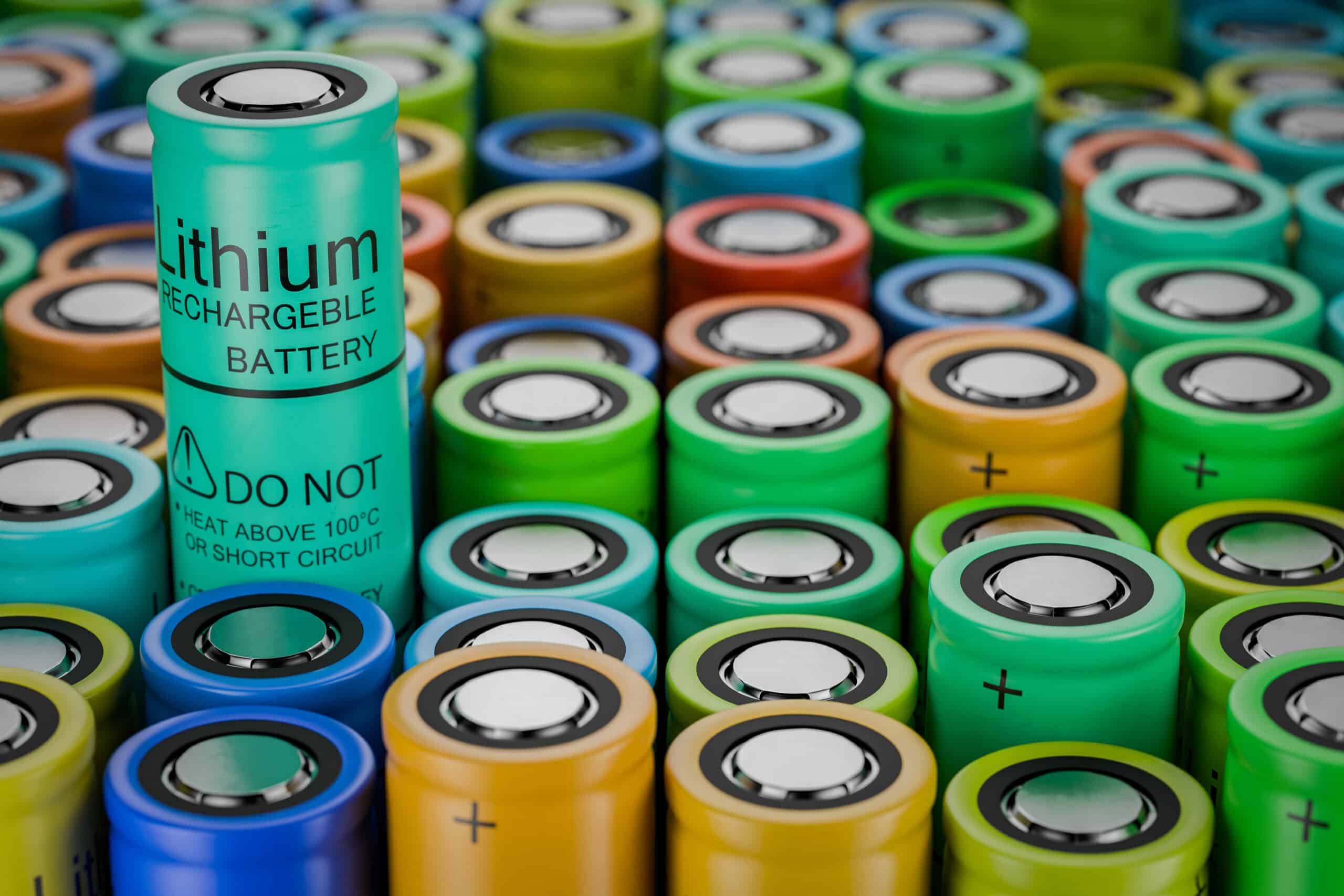
TerraCycle Commercial, a subsidiary of the recycling company TerraCycle, announced on July 29, 2026 the launch of a nationwide collection and recycling service for vaping devices in the United States.[1]. The company is launching this service in the context of strong growth in waste related to disposable vapes, while relying on a model it has already implemented in the past for other tobacco products.
A new, turnkey commercial service
TerraCycle Commercial has launched a paid collection and recycling service for used vaping devices for households, municipalities, schools, hotels, and businesses in the United States. The service uses prepaid containers, available in three sizes (1.25 gallons, 2.5 gallons, and 5 gallons, holding 30 to 155 devices depending on the size), which include collection, shipping, and processing. Compliant devices are disassembled and recycled by material, while nicotine pods are disposed of through regulated incineration and are not recycled.
The company justifies this launch by the scale of the problem: it cites a report by the American organization PIRG which states that fires in waste treatment centers caused by vaping devices cost at least $95 million annually in the United States. The lithium-ion batteries in these devices can ignite when damaged, compacted, or exposed to extreme temperatures—conditions common in dump trucks, compactors, and landfills. This launch also coincides with a phase of financial expansion for the company: TerraCycle US is currently conducting a fundraising round. Regulation A potentially up to $75 million, intended to finance its acquisitions and infrastructure.
An actor with a long history of funding from the tobacco industry
While TerraCycle is not owned by a tobacco company, the company has built part of its business model on partnerships directly funded by the tobacco industry. In the United States, TerraCycle's long-standing cigarette butt recycling program, the "Cigarette Waste Brigade," was funded by Santa Fe Natural Tobacco Co., a subsidiary of Reynolds American. This program, open to all brands, was presented by the funder as a way of taking responsibility for its competitors' products as well as its own. In Canada, a nearly identical program was revealed to have been created and funded by Imperial Tobacco Ltd., a lack of transparency denounced at the time by local public health authorities. One municipal official even admitted to being unaware of this funding, while other participants in the same meetings with TerraCycle were aware of it.
These voluntary industry-based financing schemes operate according to a different logic than extended producer responsibility (EPR) regulatory frameworks. The latter are based on the polluter-pays principle and aim to impose a legal and quantified obligation on manufacturers to finance the management of their waste and not externalize the costs onto the community and taxpayers. This is a positive obligation, not a voluntary initiative.
Regarding the launch of the vaping device recycling service in 2026, no funding from a tobacco manufacturer (BAT, Philip Morris International, JTI, Altria) appears in the press release or in the media coverage available to date. Unlike cigarette butt recycling programs, this service is presented as a paid commercial offering, billed to the end customer rather than funded by a manufacturer. TerraCycle also operates a similar program in New Zealand, VapeCycle, set up by two independent local vaping brands, VAPO and alt.
Recycling these products remains, in practice, complex and dangerous.
Beyond the issue of funding, it's important to remember that recycling vaping devices faces structural technical and health-related obstacles that no single collection service can eliminate. Each device combines a lithium-ion battery, electronic circuits, plastics, and nicotine liquid residue—a mixture of materials that requires specific and costly processing methods, very different from conventional recycling. Lithium-ion batteries, in particular, are unstable if mishandled: according to the British organization Material Focus, they are responsible for recurring fires in waste treatment centers, with more than 700 fires per year linked to the improper disposal of electrical devices containing batteries.
From a health perspective, the residual nicotine in the pods is itself a pollutant that cannot be recycled with the rest of the device, which explains why TerraCycle chooses incineration for this component rather than material recycling. As for the heavy metals and critical minerals (lithium, cobalt, copper) contained in the batteries, their loss during discharge represents both a risk of soil and groundwater pollution and a waste of resources whose demand is expected to increase significantly with the energy transition.
AE
[1] TerraCycle launches national recycling service for nicotine vape devices, ROI-NJ, published on July 29, 2026, accessed on the same day
National Committee Against Smoking |