The automated sale of tobacco and other nicotine products is at the heart of the debates in Germany and Switzerland.
July 8, 2026
Par: National Committee Against Smoking
Dernière mise à jour: July 7, 2026
Temps de lecture: 4 minutes
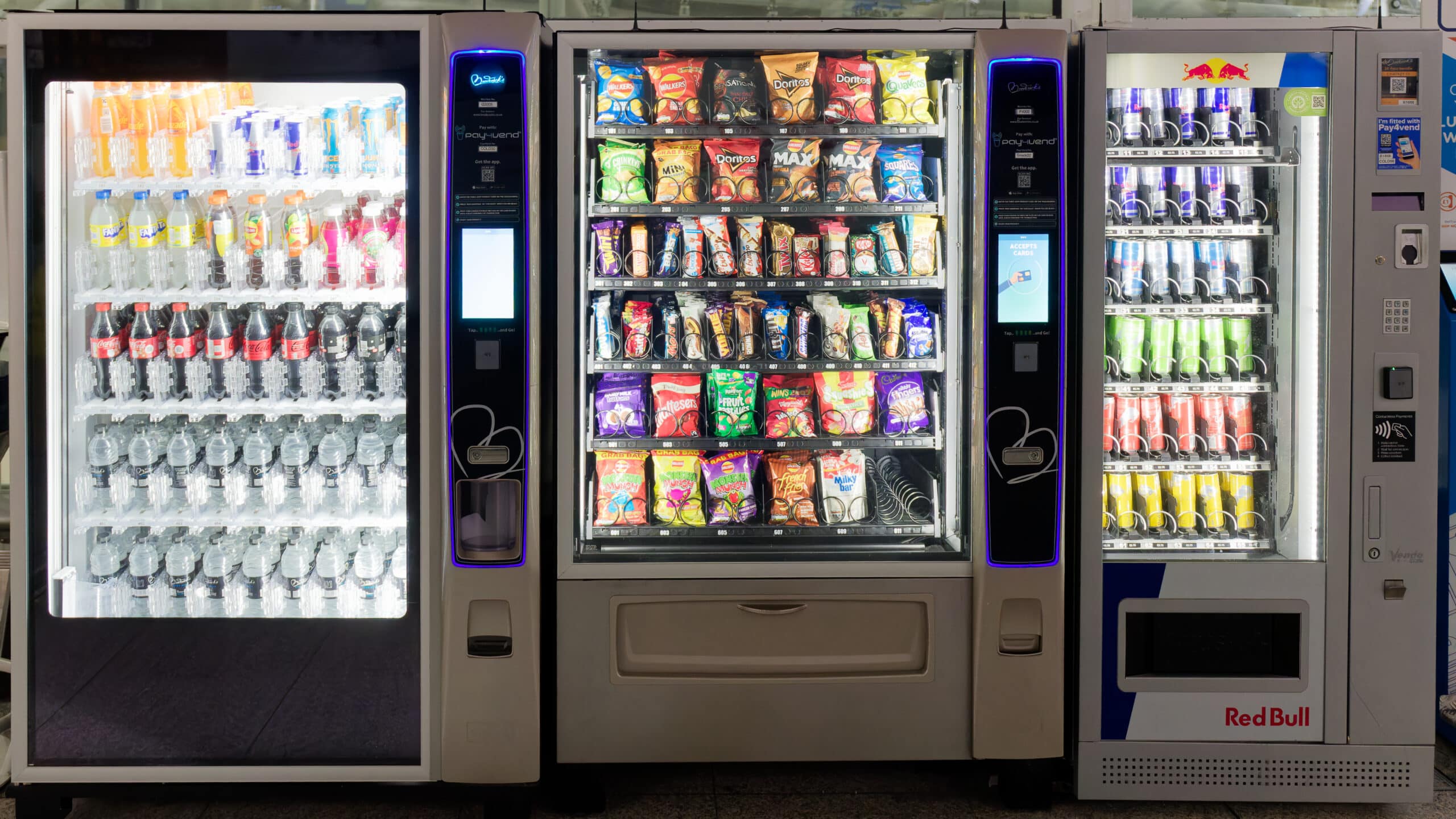
Several recent cases in German-speaking Europe have reignited questions about the automated sale of tobacco and other nicotine products.[1]. Parents, teachers, and local residents are particularly concerned about minors' access to these products, with the ineffectiveness of age verification systems and the placement of vending machines near schools being especially highlighted. These various cases illustrate the growing attention paid by authorities and local stakeholders to the marketing methods of these products, and the need for stricter regulation of their sale.
Concerns related to the proximity of schools
In Germany, several vending machines selling e-cigarettes have sparked local reactions. In Cottbus (Brandenburg), a machine located about 50 meters from a school offered e-cigarettes, energy drinks, and other consumer products. In Itzehoe (Schleswig-Holstein), teachers also expressed concerns about a vending machine offering e-cigarettes and food products.
These situations do not concern a single operator but raise a common question: beyond compliance with legal obligations, the installation of vending machines near schools increases the visibility and accessibility of these products to young people.
Age verification at the heart of the issues
In Switzerland, a vending machine installed in Wabern, near Bern, has been reported to have sold cigarettes, electronic cigarettes and nicotine sachets without checking the age of buyers.
However, in both Germany and Switzerland, the sale of tobacco products, e-cigarettes, and nicotine pouches is prohibited to minors. Vending machines are therefore not a sales channel exempt from regulation, but their compliance depends on their ability to effectively prevent purchases by minors. Identity verification devices, age verification via payment card, or other electronic systems are far from fully effective.
Marketing associated with everyday consumer products
The cases identified also highlight the marketing of electronic cigarettes and nicotine sachets alongside everyday consumer products, such as sodas, snacks or energy drinks, which are particularly popular with young people and are also problematic in terms of public health.
Furthermore, although nicotine products are subject to specific regulations, their presence in vending machines that also offer food products helps integrate them into everyday consumption environments and increases their visibility, particularly among teenagers. This is part of a deliberate strategy by manufacturers to normalize new nicotine products, as they seek to create new forms of early addiction in the face of declining traditional smoking.
A potential strengthening of the requirements applicable to vending machines would be less effective than a total ban
Several possible regulatory changes have been mentioned following these incidents, including stricter regulation of the placement of vending machines near schools or places frequented by young people, strengthening of age verification mechanisms, and increased accountability of operators in terms of monitoring and compliance.
However, the simplest and most effective solution remains the total ban on this method of distribution for tobacco and nicotine products, a measure particularly recommended in the guidelines for implementing the WHO Framework Convention on Tobacco Control (FCTC). As part of the revision of the directives, particularly those concerning tobacco products (TPD) and tobacco advertising (TAD), It would therefore be appropriate to urge EU member states, including Germany, to adopt a measure banning automated distribution encompassing all products, both old and new. Indeed, while retail marketing falls under the competence of member states, the very existence of vending machines constitutes a violation of advertising and promotional prohibitions.
AD
[1]Vape Vending Machine Concerns Rise in German-Speaking Europe as Schools and Age Checks Come Into Focus, 2Firsts, published on July 6, 2026, accessed on July 7, 2026