Netherlands: Tobacco giant's entry into cannabis experimentation raises concerns
June 17, 2026
Par: National Committee Against Smoking
Dernière mise à jour: June 12, 2026
Temps de lecture: 6 minutes
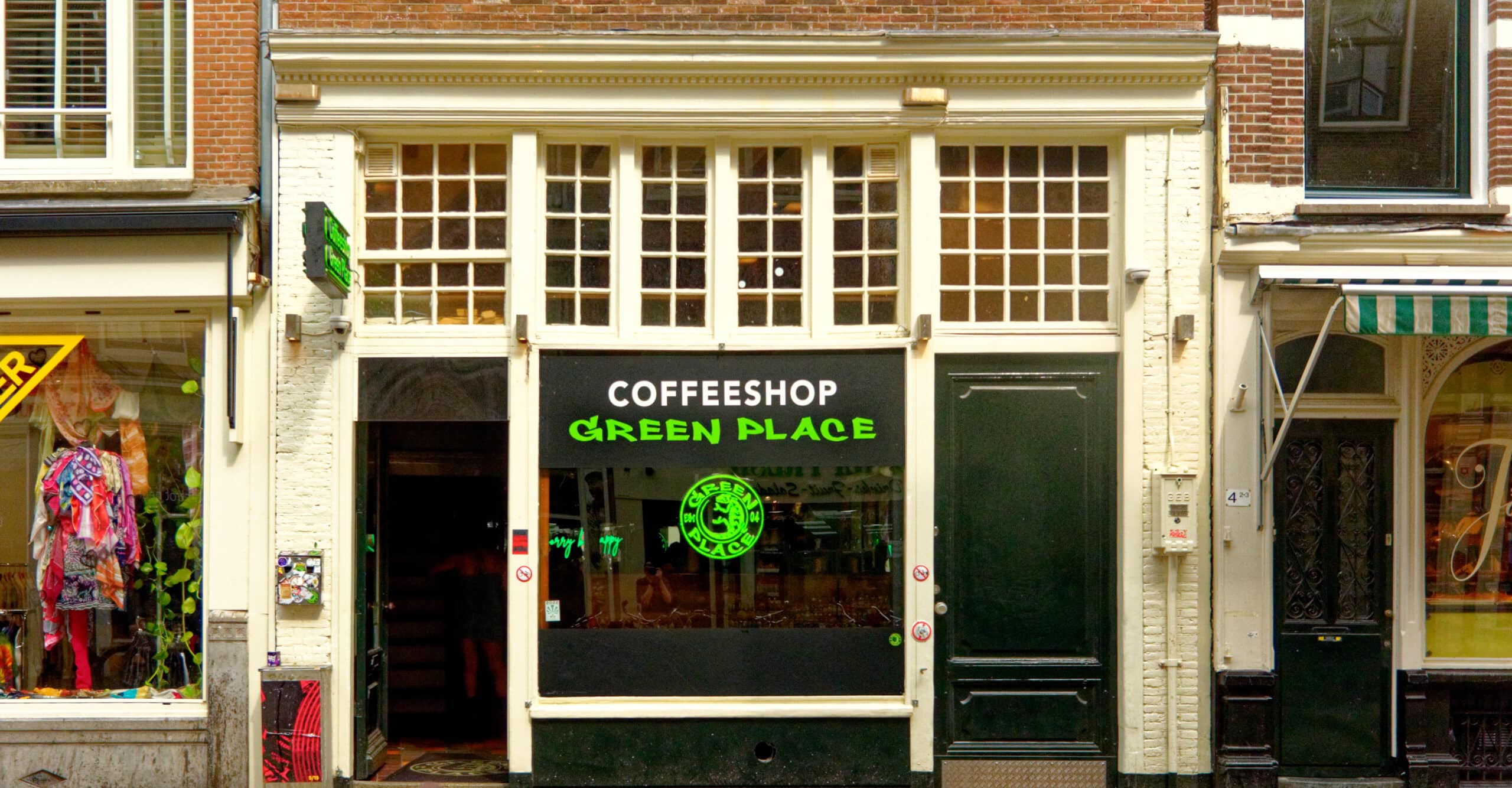
Several Dutch parliamentarians and public health experts have expressed concern following the revelation of the indirect involvement of the Altria group, formerly Philip Morris, in the national experiment of regulated cannabis production.[1]. This presence would result from the proposed acquisition of the Dutch producer CanAdelaar by the Canadian company Cronos Group, of which Altria is a major shareholder. The information, revealed by De Groene Amsterdammer, Investico, and NU.nl, reignites the debate on the role of major tobacco companies in the development of the legal cannabis market, within a broader strategy of diversification by the tobacco industry.
A major player in the experiment concerned
Launched with a planned duration until 2029, the Dutch experiment aims to evaluate the effects of a legal and controlled cannabis production and supply chain. Within this framework, coffee shops in ten participating municipalities must source their cannabis exclusively from ten licensed producers who meet strict criteria.
CanAdelaar, based in Hellevoetsluis, is among the program's main producers, with approximately 20,000 kilos of cannabis per year. Its potential acquisition for €57.5 million by Cronos Group, four of whose seven board members work or have worked for Altria, would give the latter indirect influence over one of the key players in this experiment.
Concerns expressed by several political parties
Several political groups have asked the government to examine the possibilities for intervention.
Members of the Christian Democratic Appeal (CDA) and the Progressives Netherlands (PRO) party have expressed concerns about the involvement of a tobacco industry player in a public experiment. They argue that the marketing, communication, and influence practices historically associated with large tobacco companies could raise questions about the future of the cannabis market. While the Progressive Netherlands party supports the cannabis experiment, it has also expressed concern:« An additional risk has been introduced by an investor who does not strictly adhere to the rules. », said MP Lisa Vliegenthart. « This investor has demonstrated for years that it practices aggressive marketing, minimizes health risks and exerts influence on science. »Indeed, scientists paid by Aspeya, a subsidiary of Philip Morris International, have published at least four articles on the potential therapeutic benefits of cannabis, in various forms, in scientific journals over the past two years. However, these are descriptive and unsystematic analyses of the literature, not new research, which leaves more room for interpretation. Furthermore, the authors state that they selected only the studies they deemed relevant.
Henri Bontenbal, head of the CDA, shared these concerns: « The fact that a tobacco manufacturer first strives to make everyone addicted to cigarettes and now seems to see a market for cannabis is not a good sign […] For my part, we will stop allowing this impunity to the tobacco industry as soon as possible. ".
Other parties, such as the ChristenUnie, see this situation as a further argument against the experiment itself, citing the reputation "« dubious »"of the tobacco industry and its lobby.".
Conversely, some political leaders believe there is no need to intervene at this stage. The Democraten 66 (D66) party points out that the main objective of the trial is to reduce the influence of the illicit market and organized crime on the production and distribution of cannabis. According to this view, adherence to existing regulations, particularly those governing advertising, marketing, and sales, should ensure the project's success. Dutch authorities will continue evaluating the trial until 2029 to assess its impact on public health, safety, and the organization of the cannabis market.
Cannabis, another psychoactive product that fits into Big Tobacco's diversification strategy
This marks a new chapter in the global expansion of the tobacco industry, which is attempting to diversify to compensate for the global decline in cigarette sales and sell new addictive products, both nicotine-containing (e-cigarettes, heated tobacco, nicotine pouches, etc.) and non-nicotine-containing. According to Rachel Barry, a researcher at the University of Bath, internal documents show that the industry considered cannabis a potentially lucrative product as early as the 1970s. The increasing legalization of cannabis, combined with effective and progressive anti-smoking measures and the growing body of scientific literature documenting the risks of cigarettes, has accelerated the tobacco industry's search for alternatives.[2].
Furthermore, Marc Willemsen, director of the tobacco department at the Trimbos Institute, the Dutch national research institute for mental health, addictions and social action, fears that cannabis will be marketed in a way that increases the likelihood that consumers will start smoking and vaping regularly:« The impact is then doubled. And for the tobacco industry, it's double the profit. »[3]
There are other signs of this diversification: For example, an investigation showed that American tobacco companies have heavily invested in the ultra-processed food industry. before partially withdrawing from it around 2007. Today, the agri-food industry remains influenced in all countries by the addictive techniques and marketing strategies of the tobacco industry.
AD
[1]MP's very concerned by Big Tobacco's move to buy into Dutch regulated weed experiment, NL Times, published on June 10, 2026, accessed on June 11, 2026
[2]Big Tobacco enters Dutch regulated cannabis experiment with stake in largest grower, NL Times, published June 8, 2026, accessed June 11, 2026
[3]Kim Einder, Daphné Dupont-Nivet, Van Marlboro naar marihuana: tabaksreus stapt in legale Nederlandse wiet, NU.nl, published on June 8, 2026, accessed on June 11, 2026