Maghreb: a regional meeting dedicated to the fight against smoking
June 11, 2026
Par: National Committee Against Smoking
Dernière mise à jour: June 8, 2026
Temps de lecture: 6 minutes
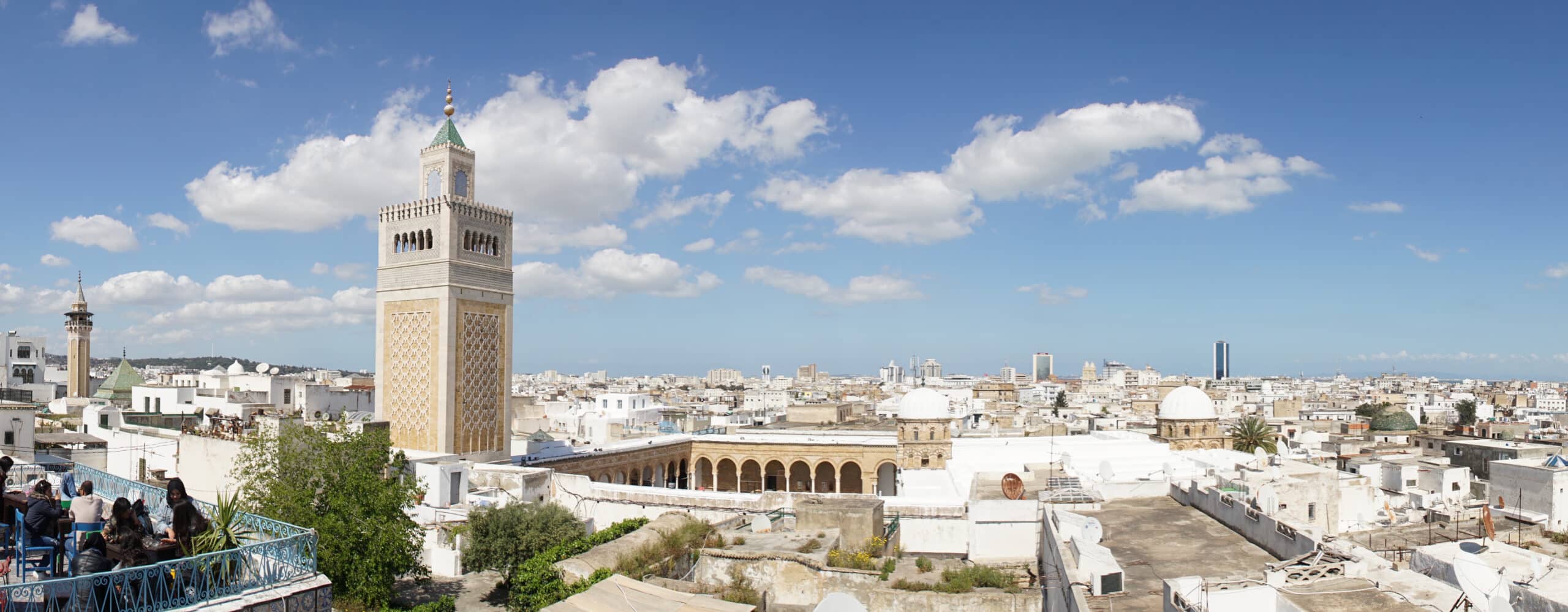
To mark World No Tobacco Day 2026, the Med.tn medical platform organized the first Maghreb Forum on Tobacco Use in Tunis, bringing together specialists from Tunisia, Algeria, and Libya around the theme: "Tobacco Use in the Maghreb: Issues and Reflections on a Shared Challenge." This regional meeting provided an opportunity to assess the current state of the tobacco epidemic in the region and to exchange ideas on prevention, cessation, and regulatory strategies adapted to the specific characteristics of the Maghreb.[1].
A worrying situation in a region of 110 million inhabitants
The speakers emphasized that, unlike several regions of the world where smoking is declining, the indicators remain worrying in the Maghreb countries. According to Tunisian cardiologist Dhaker Lahidheb, nearly one in two adult men smokes in the region, which has a population of approximately 110 million. Experts also warned of the rise in smoking among adolescents, women, and young adults, considered the primary targets of the tobacco and nicotine industry's marketing strategies.
The health consequences of tobacco were also widely discussed. In Tunisia, 13,200 tobacco-related deaths are recorded each year, nearly 20% of which are attributable to secondhand smoke, according to data cited at the forum. In Algeria, data from Professor Souad Bouaoud, an epidemiologist, reveals that a quarter of students aged 11 to 19 are smokers. The age of first cigarette smoking is often less than ten years old in schools.[2].
Experts have pointed out its major involvement in cardiovascular diseases, bronchopulmonary cancers and chronic respiratory diseases, which represent a growing burden on the region's health systems.
This concern aligns with the theme of the World Health Organization's (WHO) 2026 World No Tobacco Day, which focuses on the tactics used by the tobacco and nicotine industries to attract young consumers. The WHO estimates that 40 million adolescents aged 13 to 15 use tobacco worldwide and that 15 million already use e-cigarettes.
Prevention, cessation, and new nicotine products are at the heart of the debates.
Discussions also focused on smoking cessation aids and the growing presence of new nicotine products, including e-cigarettes and heated tobacco products. Participants emphasized the need to improve access to cessation aids and enhance public awareness of products often presented as less harmful alternatives, but which have not been proven effective and are highly addictive, in addition to being risk-free.
The speakers also emphasized the economic benefits of prevention. According to estimates presented during the discussions, every dollar invested in smoking prevention could save up to $100 in medical treatment costs and associated complications.
Several experts stressed the importance of taking early action with young people, particularly through schools, primary healthcare, and awareness campaigns involving sports or cultural figures who can positively influence behavior.
Towards strengthened Maghreb cooperation
Beyond simply stating the facts, several participants advocated for the continuation of exchanges between Maghreb countries (Algeria, Tunisia, Libya, as well as Morocco and Mauritania) and the creation of a regional structure dedicated to combating tobacco use, bringing together learned societies, healthcare professionals, and public authorities from the various Maghreb countries. The objective would be to develop common strategies for prevention, epidemiological surveillance, and smoking cessation support, tailored to the demographic and health realities of the region.
Experts have notably argued that anti-smoking policies cannot simply be transposed from European countries, as the Maghreb is characterized by a younger population and specific consumption patterns. They called for the development of regional approaches based on local data and the specific needs of the Maghreb population, with regional alignment of taxes, free nicotine replacement therapies, prevention and awareness campaigns on social media to reach young people and counter the marketing influence of tobacco companies, and the mobilization of all ministries.[3] (Health, Interior, Customs, Education and Security).
This first edition brought together Dr. Dhaker Lahidheb, Dr. Hassan Mesrati, a Libyan consultant in thoracic diseases, allergies, and pulmonary endoscopy, and Dr. Hashim El-Mahdi Belkheer, a Libyan physician specializing in respiratory diseases, as well as several Tunisian and Algerian specialists in pulmonology, cardiology, ENT, and epidemiology. Participants concluded by emphasizing the need to intensify cooperation among Maghreb countries to better address a public health challenge that remains one of the leading causes of premature and preventable mortality in the region. Dr. Mesrati offered a critical analysis of the phenomenon, arguing that smoking in developing countries is part of broader imbalances affecting health and cultural systems. He stated that« Smoking is a form of imbalance that affects the health and cultural systems of the developing world. ".
AD
[1]Hajer Ben Hassen, Med.tn roundtable discussion on smoking in the Maghreb: what are the experts' responses to the scale of the problem? (Video), Realities Online, published on June 2, 2026, accessed on June 5, 2026
[2]Hamza Marzouk, Smoking cigarettes at 10, shisha in the family: the Maghreb faces its tobacco "tsunami", L'Économiste Maghrébin, published on June 2, 2026, accessed on June 5, 2026
[3]Why do Tunis, Algiers and Tripoli need to harmonize their anti-smoking efforts?, La Presse, published June 2, 2026, accessed June 5, 2026