High consumption of snus and nicotine is preventing Sweden from achieving a "tobacco-free generation".
May 29, 2026
Par: National Committee Against Smoking
Dernière mise à jour: May 28, 2026
Temps de lecture: 6 minutes
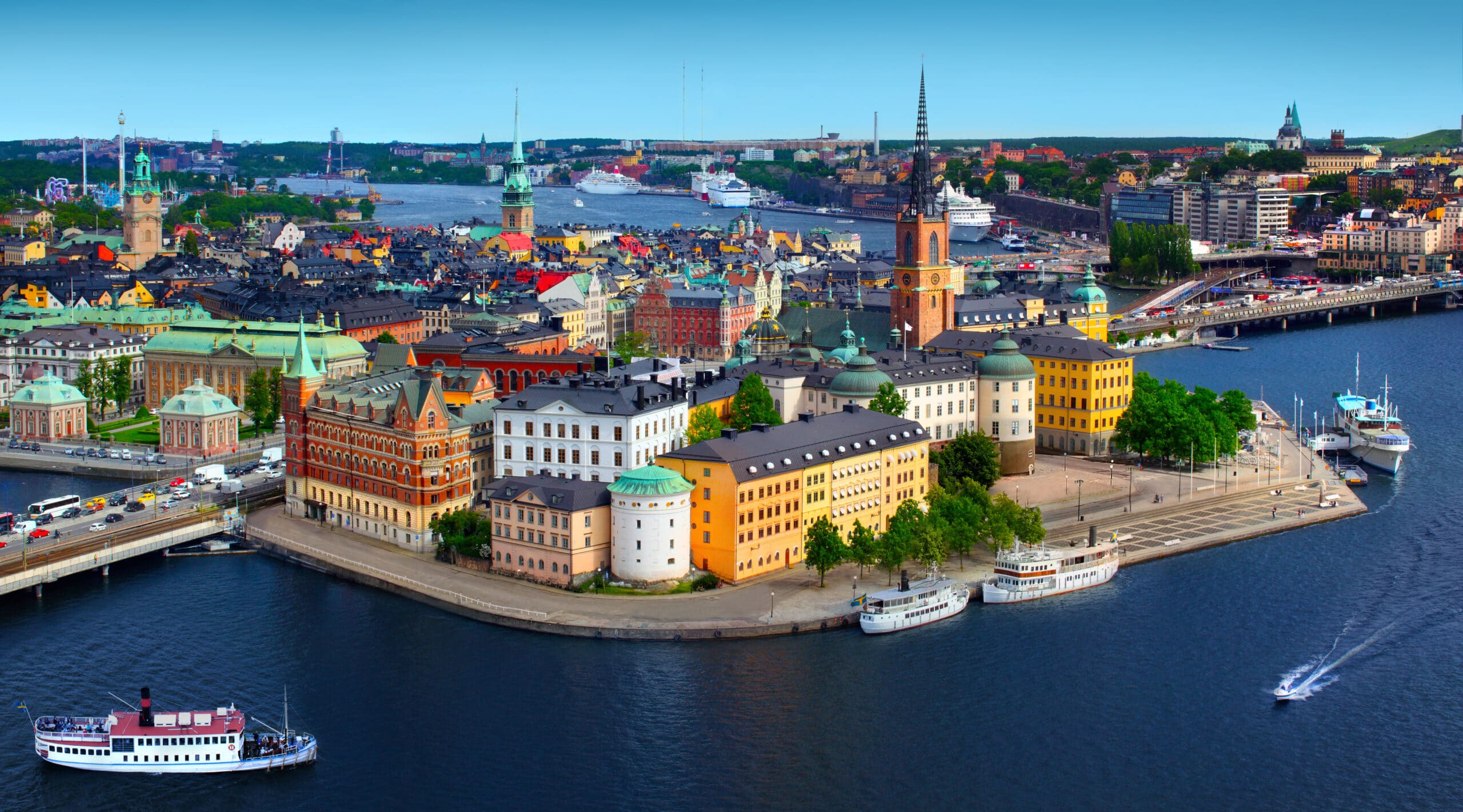
While Sweden could become one of the first European countries this year to fall below the threshold of 5,130 daily cigarette smokers, this decline in smoking remains incomplete in a country where snus, another form of tobacco, is still widely used. Adding to this is a sharp increase in nicotine consumption in other forms, particularly nicotine pouches and e-cigarettes. Behind this model, often presented as exemplary, several health authorities are raising concerns about the still poorly understood risks of these new nicotine products, which are particularly attractive to young people, as well as the strategies employed by the tobacco and nicotine industries to maintain addiction.
Snus, a tobacco product, is gradually replacing traditional cigarettes.
According to a report by the Swedish Council for Alcohol and Other Drugs Information (CAN), the proportion of daily smokers in Sweden fell from 16% in 2003 to 4.8% in 2025, with women aged 50 to 84 constituting the largest group of daily smokers.[1]. If these figures are confirmed, Sweden would become one of the first European countries to reach the threshold of fewer than 5 daily smokers, often associated with the goal of a "tobacco-free generation." By comparison, France still had 17 daily smokers aged 18-79 in 2024.
Nevertheless, snus, an oral tobacco product sold in pouches or loose and banned throughout the EU since 1992 except in Sweden, which obtained an exemption upon joining in 1995, has increased significantly in recent years. Its use has particularly surged among women, rising from 4 million in 2007 to 14 million in 2025, with daily use increasing from 12 million in 2007 to 19 million in 2025. The long-term health risks of snus are well known, as are those of traditional cigarettes.
The country is therefore not really committed to phasing out smoking in the broad sense but only cigarettes, which is incompatible with the notion of a "tobacco-free generation" strictly speaking.
Nicotine addiction remains high and tends to increase
Meanwhile, overall nicotine consumption remains high in Sweden: by 2025, 24 million Swedes were expected to consume it daily, whether in the form of traditional cigarettes, e-cigarettes, or snus with or without tobacco. Between 2021 and 2024, sales of vaping liquids surged by 640 million, according to CAN data. "White snus," a nicotine pouch that is often flavored and sweetened, is experiencing rapid growth, particularly among young consumers. Sales of white snus increased by 180 million between 2021 and 2024. The CAN report emphasizes that the long-term health effects of new nicotine products remain poorly understood, such as white snus, which may have a higher nicotine content than other tobacco products.[2].
Thus, nicotine addiction is becoming entrenched and increasingly prevalent in the country, also affecting non-smokers and young people. This reality contradicts the narrative of tobacco manufacturers who present Sweden as a model. According to them, the reduction in smoking is attributable to the development of new products., especially nicotine sachets, and to advocate the dissemination of this "model" to other countries, particularly within the European Union, which prohibits snus. However, facts and scientific data highlight that the decrease in prevalence in Sweden recorded over previous decades is essentially the result of strong public policies combining the development of smoke-free areas, advertising bans, taxation, enforcement of protective prohibitions, etc.
Unlike Sweden, neighboring countries like Norway and Finland have chosen to go further, aiming for a generation not only free of tobacco but also free of nicotine. By implementing strict and ambitious measures to phase out all forms of tobacco and nicotine, these two countries are ranked 5th respectivelye and 6e at the European Tobacco Control Scale 2025 against the 24e space for Sweden. As a reminder, the observed decline is primarily the result of public policies implemented continuously and sustainably in accordance with the provisions of the WHO treaty, the Framework Convention on Tobacco Control, including in particular a strict ban on advertising and promotion, a dissuasive and continuous tax policy, the limitation of the visibility and access to products in points of sale, the protection of minors, the development of smoke-free environments including in outdoor places, information campaigns and facilitated access to smoking cessation associated with genuine patient care.
This tobacco industry strategy is, however, influencing other countries such as New Zealand, where the current government, known to be close to the tobacco industry, has overturned several ambitious anti-smoking measures of the previous government. The goal of a "tobacco-free generation" has also not been achieved, despite government claims: there has been a sharp increase in vaping, particularly among young people, which has also halted the decline in the prevalence of traditional smoking..
More generally, several studies mention high risks of addiction from all nicotine products as well as risks of electronic cigarettes for respiratory health, as recently recalled by ANSES, stressing that the development of these new products by the tobacco industry is not a solution but generates new problems.
As part of World No Tobacco Day, the WHO recently issued another warning about the global increase in nicotine sachets. and on the industry's marketing strategies targeting young audiences, this Swedish narrative serves the industry to sell its new products on the global market and to build loyalty among a new generation of consumers made dependent.
AD
[1]Tobacco: Sweden falls below 5,130 daily smokers, according to an NGO report, Libération, published on May 25, 2026, accessed on May 26, 2026
[2]«Tobacco-free country»: Sweden reaches its target of fewer than 5,130 daily smokers, Sud Ouest, published on May 25, 2026, accessed on May 26, 2026