Switzerland: Nicotine sachets marketed as "nicotine-free" reported to authorities
April 5, 2026
Par: National Committee Against Smoking
Dernière mise à jour: April 3, 2026
Temps de lecture: 3 minutes
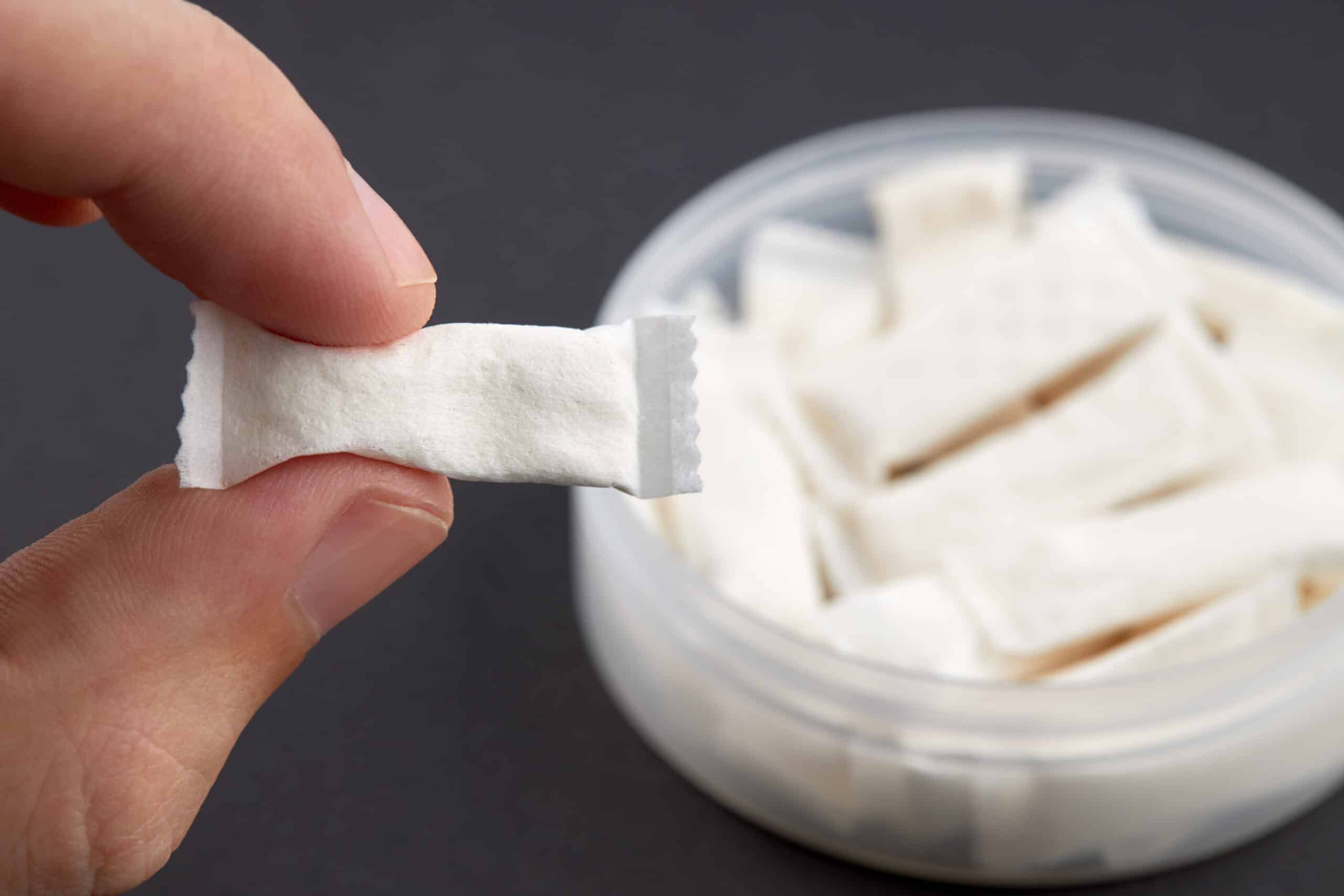
In Switzerland, the Swiss Association for Tobacco Prevention (AT Suisse)[1] A warning has been issued regarding misleading business practices concerning nicotine sachets. Several products sold online are presented as "nicotine-free" even though they contain nicotine, sometimes in high concentrations. These reports have been forwarded to the Federal Office of Public Health (FOPH) and the State Secretariat for Economic Affairs (SECO), highlighting potential violations of consumer protection and fair business practices. In a rapidly expanding market, these practices raise serious concerns about consumer information and the associated health risks.
Deceptive products reported to Swiss authorities
AT Suisse has identified several nicotine sachets sold online that contain contradictory information, including the combination of "nicotine-free" claims with explicit indications of nicotine content.
The concentrations found can reach particularly high levels, ranging from over 20 mg per sachet for standard products to 50 to 66 mg for certain so-called "extra strong" versions. Such dosages, significantly higher than those observed in many nicotine products, considerably increase the potential for addiction and the risk of adverse effects.
In light of these findings, AT Suisse has contacted the Federal Office of Public Health (FOPH) and the State Secretariat for Economic Affairs (SECO), considering that these practices could constitute violations of Swiss law. Presenting products containing an addictive substance under the label "nicotine-free" raises significant issues regarding the fairness of information, particularly in a digital environment where controls remain limited and the actors involved are often transnational. These cases illustrate the difficulties in applying existing regulatory frameworks, especially concerning online sales, and the need to strengthen monitoring and enforcement mechanisms.
A diversification of products and analogues that perpetuates the confusion
Beyond the Swiss case, these practices are part of a broader transformation of the oral products market. New sachets containing caffeine, vitamins, plant extracts, or even CBD, adopt the formats, uses, and marketing strategies of nicotine sachets. Presented as wellness or performance-enhancing products, they contribute to normalizing these consumption methods and blurring the perception of risks.
Meanwhile, some manufacturers are developing synthetic substances such as 6-methylnicotine, designed to mimic the pharmacological effects of nicotine. Although potentially just as addictive, or even more potent, this molecule is marketed as "nicotine-free," circumventing existing regulatory frameworks.
The combination of these strategies—product diversification and the use of analogues—creates an artificial continuum between products presented as harmless and addictive substances. This contributes to maintaining a structured confusion among consumers, particularly younger ones, while circumventing legal frameworks focused on nicotine as a strictly defined substance.
AE
[1] Nicotine sachets presented as "nicotine-free": AT Suisse reports violations to the FOPH and SECO, AT Switzerland, published on March 31, 2026, accessed on April 2, 2026
National Committee Against Smoking |