Ireland implements best practice quit support package to achieve a tobacco-free generation
February 3, 2022
Par: National Committee Against Smoking
Dernière mise à jour: February 3, 2022
Temps de lecture: 4 minutes

A new set of recommendations and best practices for healthcare professionals was published on 19 January 2022 in Ireland.[1] under the title of National Clinical Guideline No. 28 "Stop Smoking" with the aim of helping them to best advise and support adults to stop smoking and remain smoke-free. These guidelines have been developed by a multidisciplinary expert group set up as part of the Health Service Executive's (HSE) Tobacco Free Ireland programme.
The investigation Healthy Ireland Survey 2021 indicates that 18% of Irish people aged 15 and over smoke, of which 16 % daily and 2 % occasionally, and each year 6,000 people die prematurely from smoking.
Dr Tony Holohan, chief medical officer at the Department of Health, said: "The quality of these recommendations is based on their validation by the National Committee for Clinical Effectiveness (NCEC) in accordance with international best practices. They are the result of a public consultation and a study of proven lessons learned on an international scale." These guidelines concern the management of smoking in the general population, with specific attention paid to pregnant women and patients suffering from mental illness.
Assistance for stopping must be based on international best practices
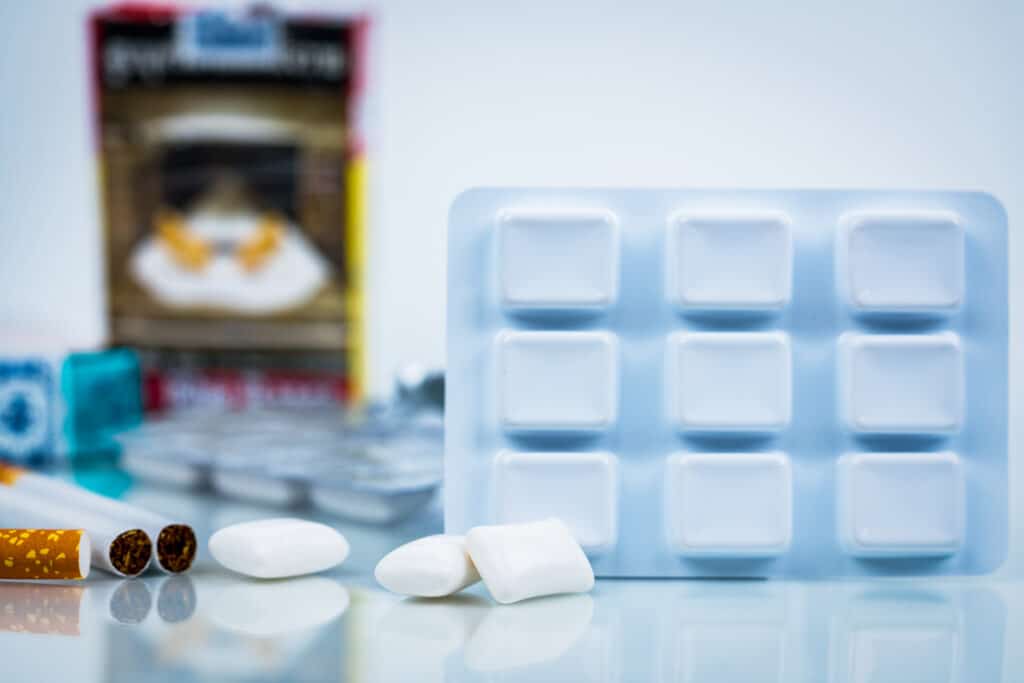
These guidelines emphasize the systematic characterization of the smoker's profile, the evocation of the risks associated with smoking and the offer of advice to stop smoking with the proposal of practical support and a referral to a doctor for the prescription of medication. These good practice recommendations retain behavioral and pharmacological support which, alone or in combination, have proven effective in helping smokers to stop, such as: cessation advice, individual or group support services, by telephone or SMS, and drug prescriptions (varenicline and nicotine substitutes).
The government confirms the effectiveness, safety of use and accessibility of validated treatments. Concerning electronic cigarettes, it is recalled that they are not without danger, that their help to stop smoking is not formal, and that using them while continuing to smoke does not reduce health risks.
Integrating weaning into a comprehensive arsenal of measures
At the same time, continued implementation of all effective evidence-based tobacco control measures is essential and effective in encouraging smokers to repeat their attempts to quit. Minister of State for Public Health Frank Feighan said that all interventions at the government's disposal must be implemented to remove the visibility of tobacco products from everyday life, increase taxation, and make decisions while supporting quitting.
The goal of a tobacco-free generation by 2025
In 2013, the Irish Government launched its Tobacco Free Ireland strategy, with a target of smoking prevalence below 5% by 2025. Although Ireland is internationally recognised for implementing robust tobacco control measures across a wide range of areas, until now it has lacked best practice guidelines for the treatment of tobacco addiction.
Comprehensive management of tobacco dependence treatment is a key element of a comprehensive approach to tobacco control, the importance of which was highlighted by WHO in its latest report[2] on the global tobacco epidemic. This provision is one of the measures of the WHO treaty, Article 14 of the Framework Convention, which provides that " Each Party develops and disseminates appropriate, comprehensive and integrated guidelines based on scientific evidence and best practices "While preventing initiation is fundamental to tobacco control, Ireland's goal of becoming tobacco-free by 2025 also depends on accelerating progress on stopping smoking.
Keywords: Ireland, tobacco-free generation, 2025, smoking cessation ©Generation Without TobaccoAE
[1] Press release, Ministers Donnelly and Feighan welcome publication of the National Clinical Effectiveness Committee's National Clinical Guideline No. 28 Stop Smoking, Irish government website, published January 19, 2022, accessed January 20, 2022 [2] WHO report on the global tobacco epidemic 2021: addressing new and emerging products. Geneva: World Health Organization; 2021. License: CC BY-NC-SA 3.0 IGO. National Committee Against Smoking |