A study highlights the need to harmonize the definition of tobacco and nicotine products.
October 2, 2026
Par: National Committee Against Smoking
Dernière mise à jour: September 22, 2026
Temps de lecture: 7 minutes
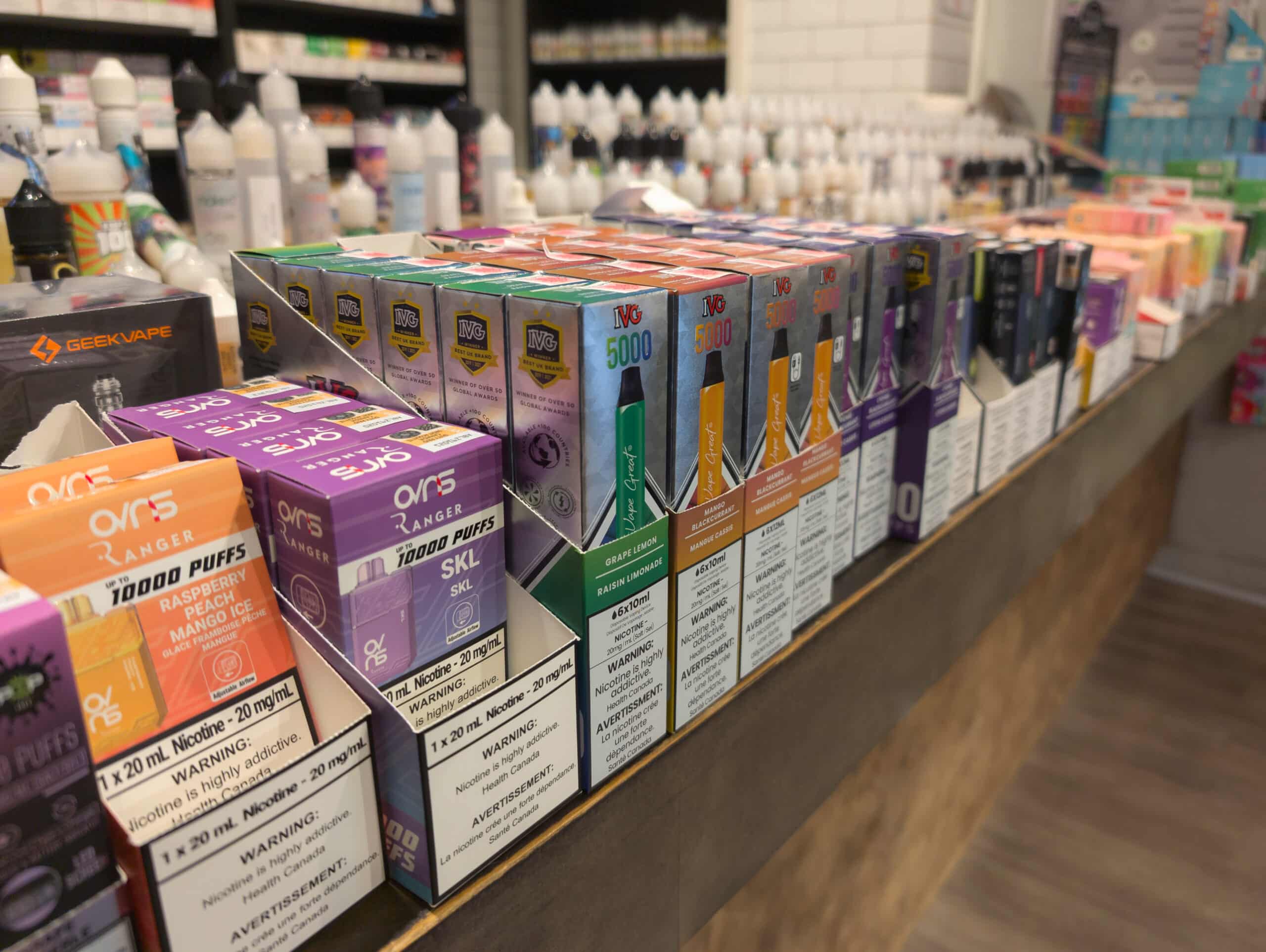
An international team has conducted the first systematic analysis of the legal definitions of tobacco products and nicotine-containing products in the 189 countries that are signatories to or parties to the WHO Framework Convention on Tobacco Control (FCTC). The objective was to understand how national legislation identifies these products and to identify any potential regulatory gaps.[1].
Researchers examined 231 national laws in force as of December 31, 2024, primarily using the Tobacco Control Laws database, supplemented by internet searches. Definitions were extracted, translated where necessary, and then classified into four categories: tobacco products, nicotine as a substance, products containing nicotine, and specific products containing nicotine but no tobacco.
However, the study does not measure the actual application of the laws, nor the controls, nor the availability of products, nor their impact on consumption. It provides a global overview of legal definitions, more than twenty years after the entry into force of the UNFCCC in 2003.
Definitions of tobacco products are often incomplete.
The vast majority of countries have an explicit definition of tobacco products: 169 out of 189, or 89 %. However, only 56 countries, or 30 %, incorporate all the elements of the FCTC definition, which covers products manufactured wholly or partly from tobacco leaves and intended to be smoked, sucked, chewed or snuffed.
Sixty-eight countries (36 %) cite specific products in their definition, such as cigarettes, waterpipe tobacco, or loose tobacco. Twenty-four countries (13 %) explicitly include electronic cigarettes or electronic nicotine delivery systems (EANS) in the tobacco product category. Thirteen countries (7 %) define a general category of products containing nicotine, and five countries (3 %) include nicotine-free electronic systems.
Other elements appear more marginally: 32 countries (17 %) explicitly include genetically modified tobacco, 32 countries (17 %) mention items related to consumption (devices, filters, packaging), four countries (2 %) target products resembling tobacco products in appearance or use, and two countries (1 %) include herbal products. Fourteen countries (7 %) explicitly exclude nicotine for therapeutic use, such as nicotine replacement therapies, from the tobacco product category.
Nicotine and new, under-covered products
Only 76 countries (40 %) define nicotine as a substance. Among them, the most frequent characteristic is its description as an alkaloid or basic form of nicotine (73 countries, 39 %). Eighteen countries mention its origin from the tobacco plant, 21 its presence in tobacco or smoke, 11 its toxicity, and eight its addictive nature. Only five countries specify that nicotine can be synthetic and five that it can be found in salt form. Seven countries (4 %) discuss its mechanism of action, and only one country provides a specific chemical formula.
In total, 18 countries (10 %) have a general definition of nicotine-containing products. The most frequently used elements are the simple presence of nicotine (16 countries, 8 %), the inclusion of devices or objects related to consumption (nine countries, 5 %), methods of use such as aerosolization, inhalation, or smoking (eight countries, 4 %), and the explicit exclusion of the tobacco product category (seven countries, 4 %). Six countries (3 %) specify that these products are for non-medicinal use.
In contrast, 91 countries (48 %) define at least one specific product containing nicotine. The most frequently defined group is electronic cigarettes, vaporizers, or vaping liquids, with 61 countries (32 %). Next come nicotine-free electronic devices (22 countries, 12 %), nicotine-free electronic devices (13 countries, 7 %), and nicotine/white snus pouches (seven countries, 4 %). Eleven countries (6 %) define other, broader categories of nicotine-containing or tobacco-related products.
Risks of regulatory circumvention
According to the authors, this wide variation in definitions creates a fragmented regulatory landscape. New or reformulated products can thus appear on the market without clearly falling under existing rules, until specific legislation is adopted. They emphasize, in particular, that no country includes nicotine analogues in its definition, even though these chemically distinct substances could be used to circumvent certain regulations.
Plant-based products, marketed as tobacco alternatives, are also subject to very little regulation: only two countries explicitly mention them. Researchers point to the risk of regulatory arbitrage, where the industry exploits differences in legislation to introduce addictive products into legal gray areas. They note that specific product definitions often follow market trends: e-cigarettes and vaping liquids, already well-established, are the most frequently defined, while broader categories or emerging products remain largely unregulated.
The authors also note that the regulatory approach remains largely reactive: new products appear and are only regulated after the adoption of specific laws, with delays that can extend over several years. Conversely, a more proactive approach would consist of prohibiting the entry onto the market of any new tobacco product or product containing nicotine unless explicitly authorized, thus creating a system of prior marketing authorization.
A call for harmonization of definitions
The authors acknowledge several limitations to their work, including the use of translations of legal texts, which can lead to a loss of nuance, and the reliance on the public availability of laws online. Furthermore, by excluding products classified solely under pharmaceutical, medical, or narcotics regulations, the analysis may underestimate the number of jurisdictions that regulate nicotine products through legal frameworks unrelated to tobacco.
Despite these limitations, the researchers believe that this mapping provides a baseline for comparing regulatory approaches between countries. According to them, these results can inform future discussions within the framework of the FCTC, particularly regarding Article 5.2(b), which requires each Party to "« adopts and implements effective legislative, executive, administrative and/or other measures and cooperates with other Parties to develop appropriate policies to prevent and reduce tobacco use, nicotine addiction and exposure to tobacco smoke »They can also guide national reforms aimed at better regulating tobacco and nicotine products in the face of rapid market developments.
Finally, this approach is more broadly linked to the approach to these issues from the perspective of commercial determinants of health. Indeed, similar strategies for circumventing definitions have been observed in other sectors, such as alcohol or ultra-processed foods.
AD
[1]Abbadi A., Alnaimat T., Al Nahar J. et al., Global analysis of regulatory definitions of tobacco and nicotine-containing products, Tobacco Control, published on September 21, 2026, accessed on September 22, 2026