The reality behind Philip Morris's "smoke-free" narrative
August 9, 2022
Par: National Committee Against Smoking
Dernière mise à jour: August 9, 2022
Temps de lecture: 5 minutes
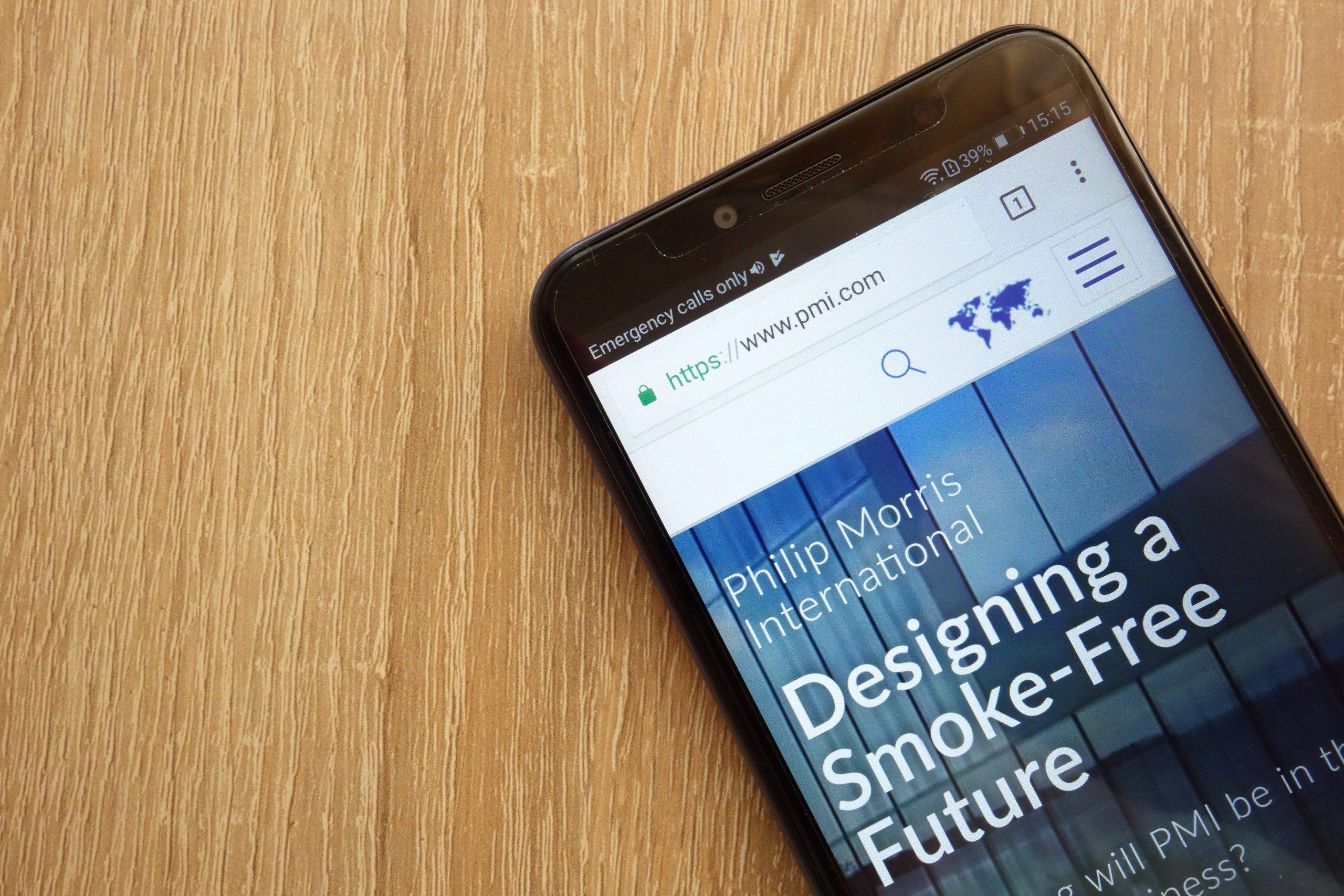
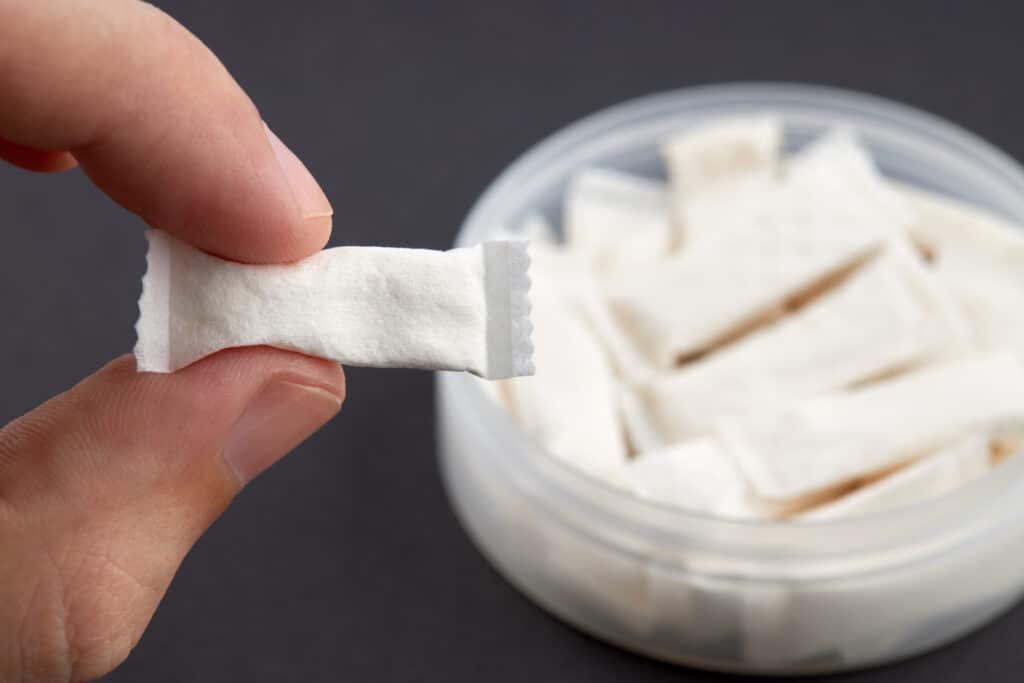
In an interview given to the Belgian media "Trends"[1] On July 25, Philip Morris Europe CEO Frederic De Wilde extensively promoted his company's "smoke-free" transformation, particularly through "combustion-free alternatives" such as heated tobacco. The Belgian Cancer Foundation points out the inconsistencies in Philip Morris's rhetoric and demonstrates that the reality is quite different.[2].
In his interview, Mr. De Wilde states: " We have crossed the Rubicon. There is no turning back. Philip Morris is committed to a tobacco-free future. ". The findings show that, in reality, Philip Morris International (PMI) continues to take actions that run counter to its stated goals of a "smoke-free future." Indeed, the manufacturer continues to manufacture and sell traditional cigarettes, targeting marketing to young people, while combating proven tobacco control policies aimed at effectively reducing smoking rates.
Revenues largely generated by traditional cigarettes
To date, 70 billion US dollars of PMI's annual revenue (80 billion US dollars) is due to the sale of conventional cigarettes, and 29 billion US dollars to that of "smoke-free" products. PMI hopes to generate 1 billion US dollars in revenue by 2025 from the sale of nicotine-free products. For Suzanne Gabriels, tobacco prevention expert at Belgian Cancer Foundation, these figures give a biased image of the reality of sales, due to the low taxation of smoke-free products which favors the company's profits on the sale of these products compared to those on that of classic cigarettes.
Moreover, PMI confirms in the statements to its shareholders “robust growth” in the second quarter of 2022, of 2.4% in volume and 4.2 % in revenue from the sale of fuel products
Unjustified tax advantages for heated tobacco products
The significant profits from heated tobacco sales are explained by the low taxation to which these products are subject, which allows PMI to significantly increase its margins, while remaining competitive with the price of conventional cigarettes. As explained by the National Committee against Smoking[3], if the selling price in France of a pack of 20 Marlboros for €10.50 is broken down as follows: €8.79 in taxes, €1.04 at the tobacconist and €0.67 at the manufacturer, that of a pack of 20 short Heets cigarettes (heated tobacco) for €7.50 is broken down as follows: €5.26 in taxes, €0.75 at the tobacconist and €1.49 at the manufacturer. Thus, while the pack of 20 Heets is 29% cheaper than the pack of 20 Marlboros, PMI's profit margin is 122% higher.
The tobacco industry justifies this advantageous tax regime by the existence of a "reduction in risks" which is linked to the consumption of heated tobacco compared to that of traditional cigarettes. In reality, independent studies[4] and theexam data from PMI data do not demonstrate the existence of such a “risk reduction”.
A facade to continue selling tobacco products
PMI officially unveiled its vision for a "smoke-free" future in 2017. CEO André Calantzopoulos began giving interviews about his company's "transformation," which aimed to transition smokers to the new range of cigarette alternatives he believed would be the solution to the tobacco epidemic. In 2019, the manufacturer launched its "Unsmoke Your World" campaign, encouraging smokers to "join the journey" toward quitting traditional cigarettes by switching to heated tobacco. Public health experts, including Suzanne Gabriels, have described this pitch as a blatant attempt to rehabilitate the company's image so it can once again become a responsible voice and thus influence policies and regulations aimed at preventing tobacco use.
Keywords: Philip Morris, combustion-free alternatives, heated tobacco, lobby, interference, smoke-free future
AE
[1] Patrick Claerhout, The transformation of tobacco giant Philip Morris: "We have crossed the Rubicon", Trends, published July 25, 2022, accessed August 4, 2022 [2] Suzanne Gabriels, Tobacco giant PMI announces major transition, but its revenue reveals other details, Belgian Cancer Foundation, published August 1, 2022, accessed August 4, 2022 [3] National Committee against Smoking, Tax increases, heated tobacco, nicotine substitutes: real and false solutions, published April 14, 2021, accessed August 4, 2022 [4] El-Kaassamani M, Yen M, Talih S, et al, Analysis of mainstream emissions, secondhand emissions and the environmental impact of IQOS waste: a systematic review on IQOS that accounts for data source, Tobacco Control Published Online First: 13 May 2022. doi: 10.1136/tobaccocontrol-2021-056986 National Committee Against Smoking |