Netherlands: Violation of the ban on selling tobacco and e-cigarettes to minors
March 16, 2026
Par: National Committee Against Smoking
Dernière mise à jour: March 12, 2026
Temps de lecture: 6 minutes

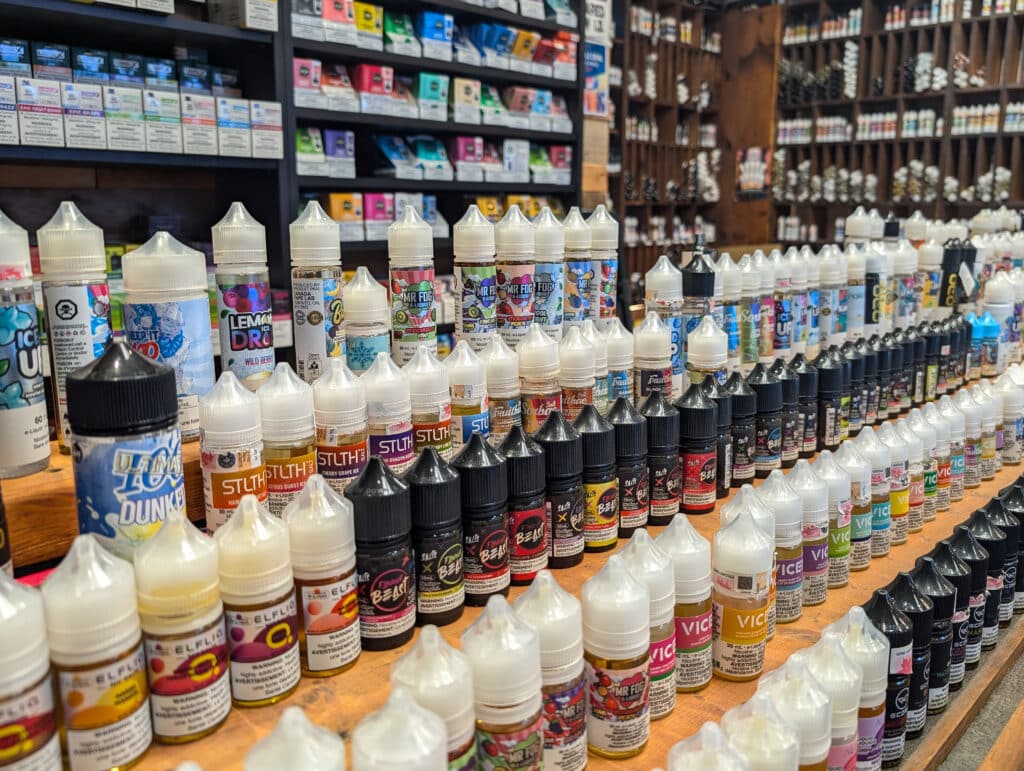
In the Netherlands, the sale of cigarettes and e-cigarettes to minors is prohibited. However, according to a study conducted by a group of doctors within the #DoctorsSlaanAlarm initiative ("#LesDoctorsRingTheAlarm"), a significant number of young people still manage to obtain these products.[1]. The survey indicates that more than a quarter of them used nicotine in the past year. Among these young users, 48 report buying their e-cigarettes online, where sales are prohibited, while 38 buy them directly from physical stores.
Increase in violations of the ban on selling tobacco and vaping products to minors
The sale of cigarettes to those under 18 has been prohibited in the Netherlands since 2014, a rule quickly extended to e-cigarettes. However, recent studies highlight that a growing number of students are managing to buy their own cigarettes: 20 in 2023, compared to 16.5 in 2019.
A recent study examined the supply methods of adolescent smokers and e-cigarette users. The survey was conducted among nearly 2,000 students with an average age of 14.8 years. 27 reported buying their products from tobacconists, 19 from convenience stores, 9 from gas stations, and 5 from newsagents. Regarding online purchases, 41 of the young people stated they used sellers on the social network Snapchat.
In collaboration with the Pointer research program, the doctors also analyzed the presence of tobacco outlets near schools. Of the 1,912 secondary schools studied, 299 had a tobacco outlet within a 250-meter radius, and approximately 20 of the schools were located within a five-minute walk of one. In some large cities, the density is particularly high relative to where young people live: teenagers have an average of more than eight tobacco shops accessible by bicycle in Rotterdam, and about six in Amsterdam and The Hague. In some central districts, the concentration is even more pronounced.
Young people often use both tobacco and e-cigarettes: 84.5% of students who reported smoking in the month preceding the survey also reported using an e-cigarette during the same period. Among the students who reported vaping, half were smokers.[2].
Calls from health experts for stronger controls and sanctions, echoing the situation in France
In recent years, the Dutch government has adopted several strong measures in the fight against smoking and new products.Since 2023, the online sale of traditional cigarettes, electronic cigarettes, and e-liquids has been prohibited, a ban extended the following year to supermarkets, hotels, restaurants, and bars. Since 2024, e-cigarette flavors other than tobacco (popcorn, strawberry, bubblegum, etc.) have been banned. Since 2025, e-cigarettes can only be sold in specialized stores.
The results of this latest survey highlight that a significant proportion of vendors are not complying with their obligation not to sell to minors. Faced with these alarming findings, doctors believe that current measures need to be monitored and potentially strengthened to ensure better enforcement.
While the government's Vaping Action Plan aims in particular to combat the illegal trade, the study's authors also call for stricter controls on licensed businesses, stronger financial penalties, and the revocation of sales licenses in cases of violations. Currently, the system relies on national licensing and monitoring rules, supplemented by a requirement for retail outlets to register with the state starting in 2024.
This same group of experts proposes the creation of a licensing system for points of sale of products containing nicotine, giving municipalities in particular the possibility of prohibiting these sales near schools.
In France, non-compliance with the ban on sales to minors is also very problematic. Unlike in the Netherlands, young people primarily purchase their supplies from tobacconists, where they encounter no difficulty obtaining either tobacco products or vaping products (in more than 80% of cases). The latest survey conducted for the CNCT by the independent institute Audirep revealed that nearly a third of tobacconists were selling tobacco or vaping products to minors. In response to this situation, the CNCT (National Committee Against Tobacco) has advocated for stricter controls in tobacco shops and vaping stores, the application of more dissuasive sanctions, including disciplinary measures for tobacconists with management contracts with customs, and license suspension in cases of repeat offenses. The association also recommends the establishment of a licensing system for vaping outlets with strict obligations and a possible increase in the legal sales age to 21, in order to delay initiation and limit early addiction.
Elsewhere in the world, countries such as the Nordic countries – Norway, Finland, Iceland – but also Malaysia, Australia, certain US states, etc., are often cited for their high level of compliance with the ban on sales to minors, with over 90% of cases found to be compliant during inspections. These results highlight that the measure is effective when controls are in place, accompanied by deterrent penalties for violations.
AD
[1]Malika Sevil, Tieners kunnen – ondanks verbod – hun vape gewoon in de winkel kopen, Het Parool, published on March 10, 2026, accessed on March 11, 2026
[2]Nicotineverkooppunten op de kaart: welke winkels liggen round de school van jouw kind?, Pointer, published March 10, 2026, accessed March 11, 2026