New Zealand: 5.4% of illicit trade in the country-laboratory of the fight against tobacco
August 30, 2022
Par: National Committee Against Smoking
Dernière mise à jour: August 30, 2022
Temps de lecture: 4 minutes

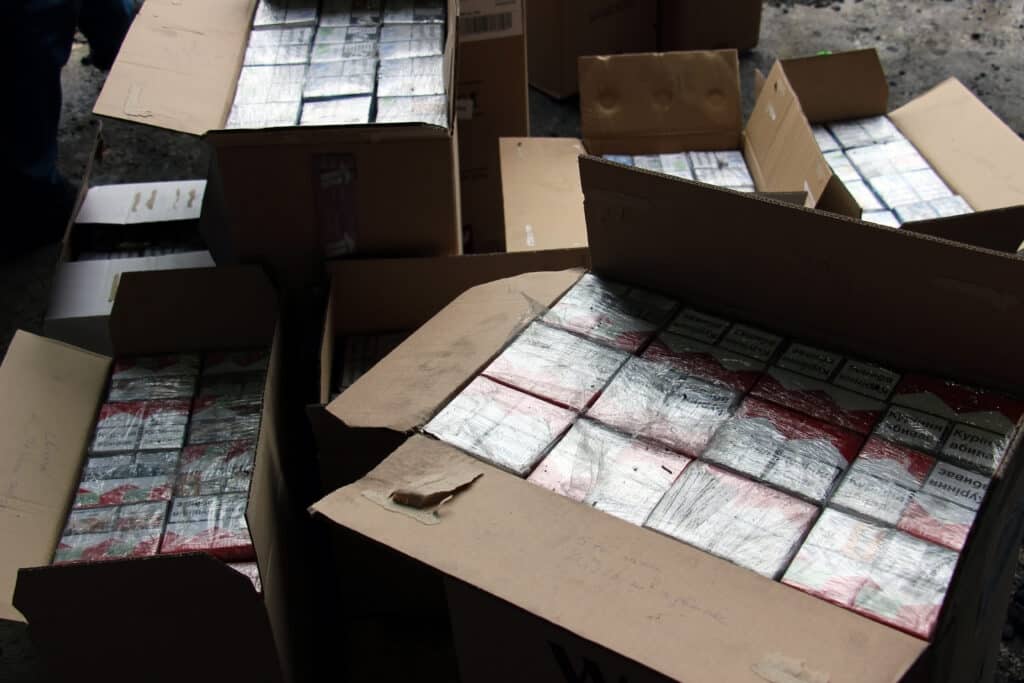
The illicit tobacco trade accounts for about 5.4% of consumption in New Zealand, according to a recent study published in the journal Tobacco Control, a level that is stable compared to a study conducted ten years earlier (5.8%). For the researchers, this trade is mainly supplied by shipping containers, the postal system, or by the staff of international airlines.
The survey was conducted using the packet-picking method, which involves collecting discarded cigarette packets from selected geographic areas. While this method is regularly used to estimate illicit trade levels in a country, it has a major limitation: it is not possible for the surveyor to determine whether a foreign packet comes from the legal parallel market (e.g. a packet of cigarettes from a tourist visiting the country) or from the illegal parallel market (a packet from a smuggling network). The authors of the study took advantage of the context of the Covid-19 pandemic, characterised in New Zealand by the closure of the country to tourists. Under these conditions, the researchers postulated that the proportion of foreign packets found during the survey should reflect the levels of illicit trade in the country.
Illicit tobacco trade estimated at 5.41 trillion of New Zealand consumption
Of the 1,590 packs of tobacco collected between May 2021 and April 2022, 36 were of foreign origin, including 25 from China. After adjusting for population distribution, the study authors concluded that illicit trade represented 5.4% of national consumption. However, this figure should be understood as an estimate, as the researchers note in their study that these levels could both be underestimated, due to likely undersampling of Auckland suburbs, where illicit tobacco trade may be higher, and could also be overestimated, given that it was possible for New Zealanders to import foreign tobacco, subject to paying the appropriate duties.
Illicit trade concentrated in certain urban areas
The study carried out does not allow to distinguish between packages resulting from contraband and packages resulting from counterfeiting, which requires more in-depth expertise. However, as the researchers point out, none of the packages collected showed any "obvious signs" of counterfeiting, in particular Marlboro packages, traditionally the target of counterfeiters. Finally, the results show that packages of illicit trade seem to be concentrated in certain cities, allowing, according to the authors, to set up targeted and local operations to combat the phenomenon.
A baseline study to assess the impact of New Zealand's tobacco control policy
New Zealand is one of the leading countries in implementing tobacco control policies, which it wants to pass below the 5% mark by 2025The country aims to reduce nicotine levels in tobacco products, drastically reduce the number of points of sale, and gradually increase the legal age of sale of tobacco products, up to a total ban. These provisions, like all anti-smoking measures, are regularly accused by cigarette companies of promoting the illicit tobacco trade. Thus, this study will provide reference data to assess the evolution of the illicit tobacco trade in New Zealand in the coming years.[1].
Keywords: New Zealand, Illicit trade, Smuggling, Study ©Generation Without TobaccoFT
[1] Wilson N, Carter R, Heath D, et al, Assessing cigarette smuggling at a time of border closure to international tourists: survey of littered packs in New Zealand, Tobacco Control Published Online First: 26 August 2022. doi: 10.1136/tc-2022-057603 National Committee Against Smoking |