Non-communicable diseases threaten health gains made in Africa in recent years
March 23, 2023
Par: National Committee Against Smoking
Dernière mise à jour: March 23, 2023
Temps de lecture: 5 minutes
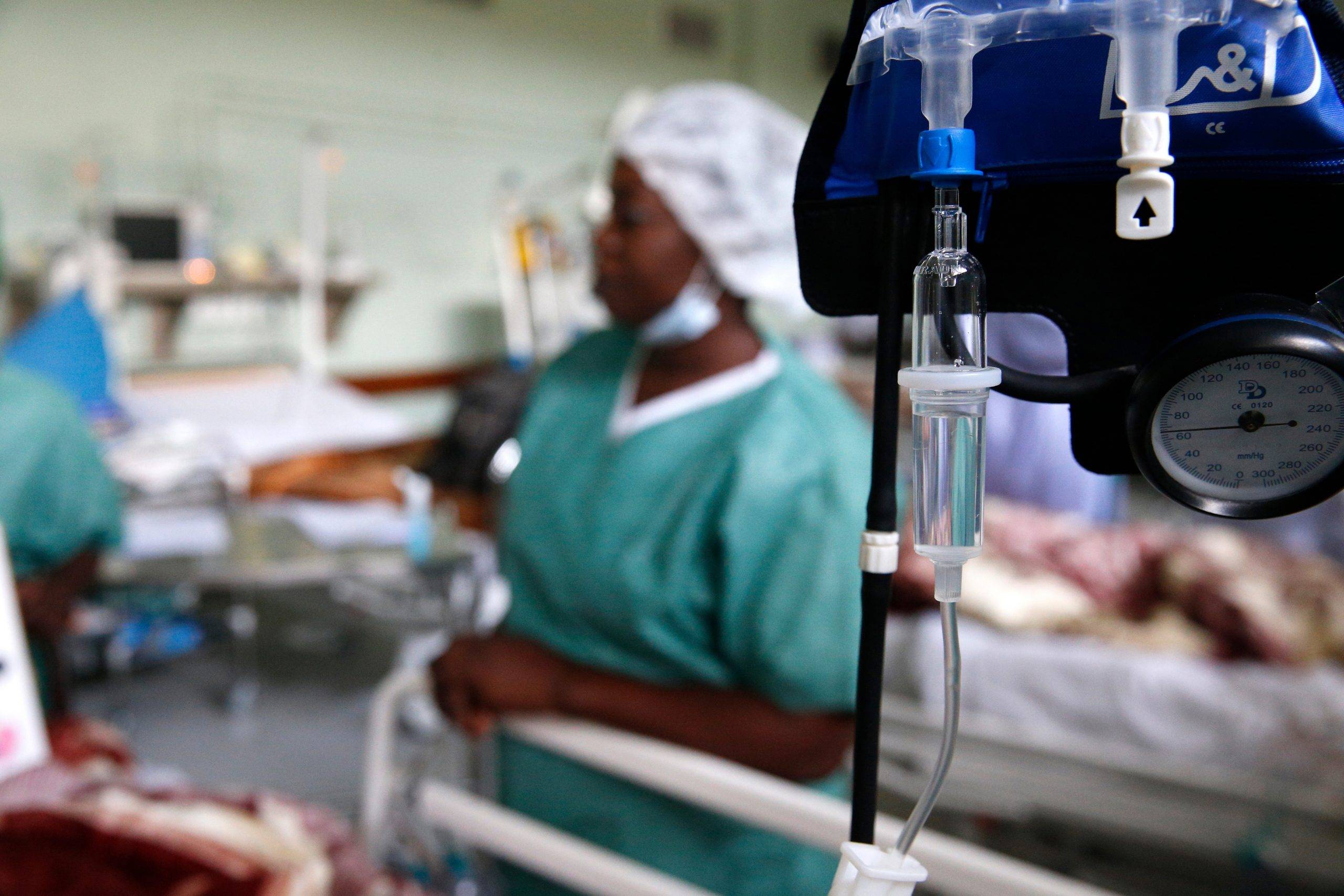
A new report from the World Health Organization[1] reveals that life expectancy, which had been increasing in Africa, is now at risk of declining. Health officials are particularly concerned about the dangerous rise in the incidence of diabetes, hypertension and other noncommunicable diseases. Alcohol and tobacco use are on the rise on the continent, and already strained health systems are struggling to meet these new needs.
The incidence of non-communicable diseases, such as diabetes and hypertension, is increasing rapidly in most sub-Saharan countries, but these conditions are rarely diagnosed or treated.
Illnesses still poorly diagnosed and poorly treated
Successes in combating HIV, tuberculosis and other deadly infectious diseases, as well as the expansion of essential services, have helped countries in sub-Saharan Africa make extraordinary gains in healthy life expectancy over the past two decades. The gains have included an additional 10 years of quality life expectancy, the largest improvement in the world, the World Health Organization (WHO) recently reported.
Noncommunicable diseases now occupy half of all hospital beds in some African countries, such as Kenya, and account for more than a third of all deaths. 80% of deaths from noncommunicable diseases in Kenya are due to preventable causes such as tobacco, alcohol and poor diet. Rates are similar in the rest of sub-Saharan Africa, and people in this region are affected at a younger age than those in other parts of the world.
Systematic screening for diseases such as high blood pressure is rare in Africa, diagnosis rates are low and care is often only available in specialized centers in urban areas. The public and health workers are not always aware of the symptoms associated with these diseases.
Unlike HIV medicines and care, which are usually free and subsidized by international donors, diabetes or blood pressure treatments are often paid for by families and are very expensive, says Dr Jean-Marie Dangou, who coordinates the noncommunicable diseases programme at the WHO regional office for Africa.[2].
Increase in tobacco consumption in Africa
Rapid urbanization and the increase in sedentary lifestyles are partly responsible for the rise in non-communicable diseases, as are the increasing consumption of tobacco, alcohol and processed foods.
Africa currently has the lowest smoking prevalence rates in the world. But the number of smokers is expected to increase due to rapid population growth and intensive marketing efforts by the tobacco industry. The number of tobacco smokers in the AFRO region, estimated at 52 million in 2000, increased to 66 million in 2015 and is projected to reach 84 million by 2025. Few African countries are fully and effectively implementing the provisions of the WHO FCTC (tax increases, smoke-free policies or restrictions on tobacco advertising). A situation often exacerbated by poor enforcement and lack of controls.
Sub-Saharan Africa remains an attractive investment destination for the tobacco industry due to the region’s youthful population (expected to double by 2050) and the laxity of some governments. Dr Asiki, a researcher at the African Population and Health Research Centre, denounces the tobacco industry’s powerful lobby on African governments, delaying the implementation of effective health policies to protect populations.[3]In Kenya, for example, the tobacco industry is lobbying the government, arguing that tobacco growing creates many jobs.
Another major obstacle to implementing effective health policy in most African countries is limited government investment in tobacco control. Health budgets remain tight in most sub-Saharan African countries.
Keywords: Africa, non-communicable diseases, sub-Saharan Africa, tobacco, alcohol, diabetes, hypertension, lobby
AE
[1] Tracking Universal Health Coverage in the WHO African Region, 2022. Brazzaville: WHO Regional Office for Africa; 2022. License: CC BY-NC-SA 3.0 IGO.
[2] Stephanie Nolen, African Countries Made Huge Gains in Life Expectancy. Now That Could Be Erased, The New York Times, published March 9, 2023, accessed March 20, 2023
[3] Ibid
National Committee Against Smoking |