Myanmar bans e-cigarettes and heated tobacco
February 27, 2026
Par: National Committee Against Smoking
Dernière mise à jour: February 27, 2026
Temps de lecture: 5 minutes
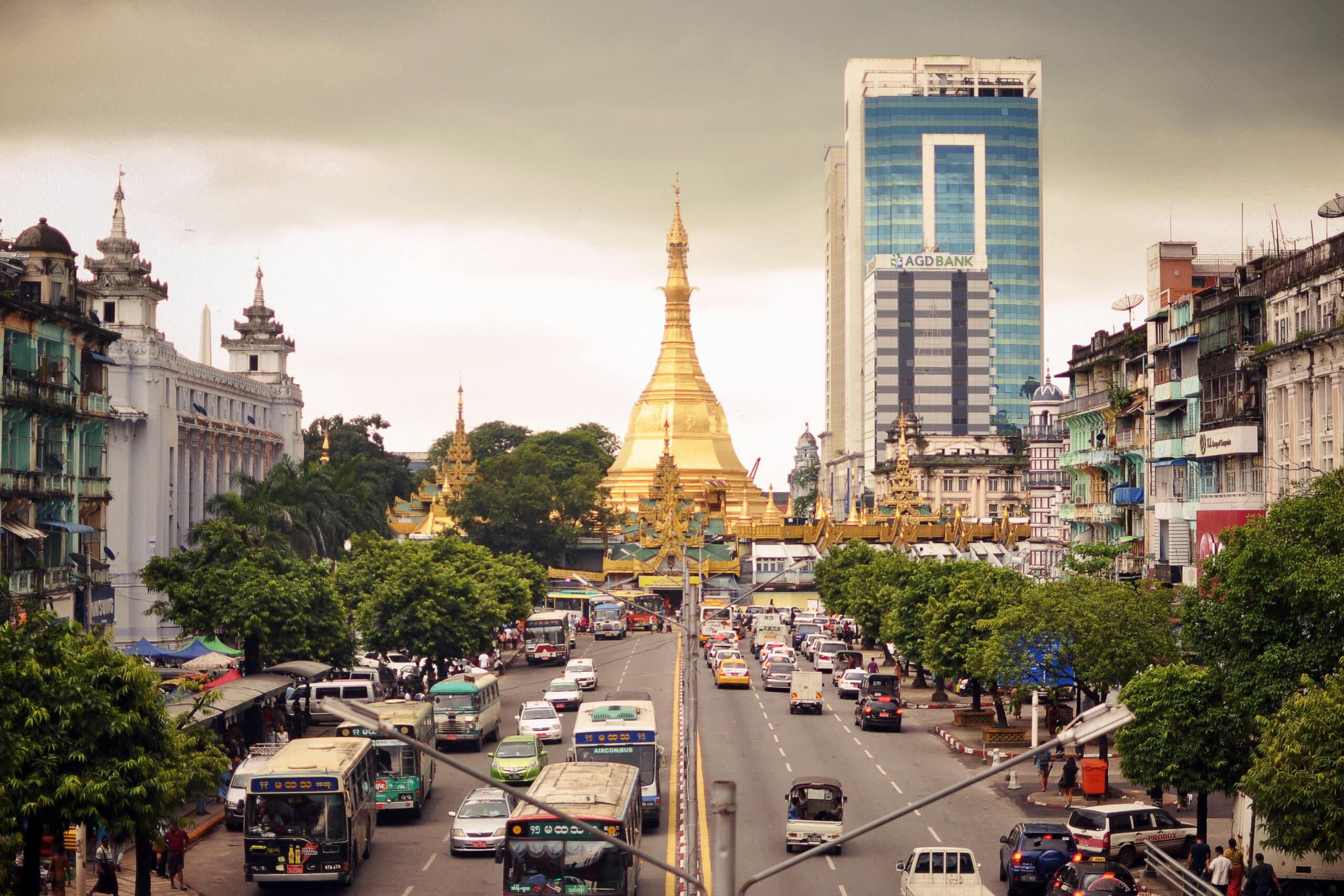
Authorities in Myanmar (formerly Burma) have banned electronic cigarettes, heated tobacco, and e-shishas. The measure was announced on February 18, 2026, by the Ministry of Health, following government approval.[1].
Myanmar joins Asian countries that have banned heated tobacco and vaping products.
The Ministry of Health has published Order No. 8/2026 of February 18, 2026, prohibiting heated tobacco, electronic cigarettes and their accessories, as well as electronic hookahs, under the law relating to essential goods and services. The import, export, trade, possession, storage, transport, distribution, use, and consumption of these products are prohibited.[2]. Until now, these "new" products were subject to little or no regulation..
Authorities believe that the use of these products has increased in recent years, in Myanmar as in other countries. Although precise data on the use and importation of vaping products in Myanmar is lacking, they are available for purchase in Nay Pyi Taw, Yangon, and Mandalay, as well as in other regions, states, cities, and villages, and e-cigarettes are readily available online.
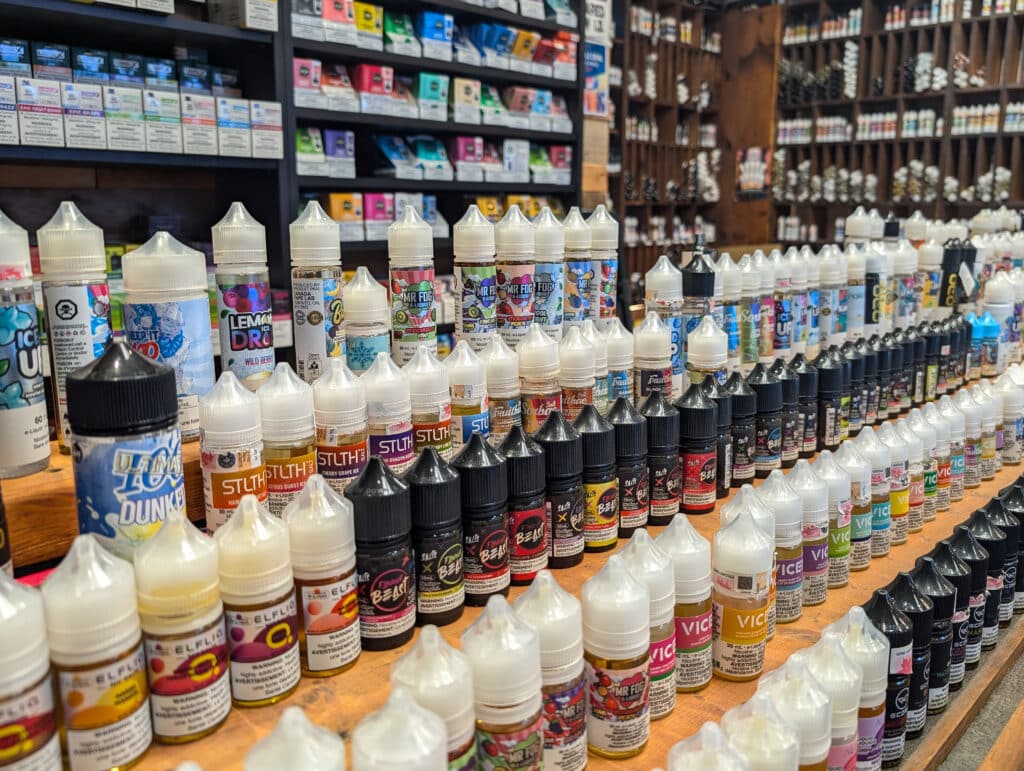
According to authorities, this ban comes amid growing concerns about the effects of these products on public health, particularly among young people. Heated tobacco is a tobacco product and, as such, highly toxic. The aerosol used in e-cigarettes is also not harmless. The risks to the lungs have been demonstrated, and nicotine addiction is particularly potent. The products are available in a variety of colors, scents, and flavors to appeal to users, especially teenagers and children. Vaping devices are also produced and sold in attractive and innovative designs and colors, giving the impression that vaping is trendy.
The ban aims to protect public health, particularly that of young people. Monitoring and inspections are being stepped up, and anyone who violates the ban on importing, exporting, selling, storing, distributing, or using electronic cigarettes will face prosecution.[4].
Southeast Asia at the forefront of the fight against traditional smoking and new products
In Southeast Asia, many countries have completely banned e-cigarettes and/or heated tobacco products, including Thailand, Singapore, Laos, Brunei, Cambodia, Malaysia, and Vietnam, with public health experts calling for Indonesia and the Philippines to do the same.
Furthermore, Southeast Asia is at the forefront of global efforts to reduce traditional smoking. In 2010, the WHO set a target of reducing tobacco consumption in each region of the world by 30% within 15 years; it is estimated that tobacco consumption has decreased by 40% in Southeast Asia since then.[5].
The region, home to about a quarter of the world's population, once had extremely high smoking rates: in the early 2000s, 70% of Southeast Asian men aged 15 and over used tobacco, but since then, the latest WHO data shows an overall decline in tobacco use. Today, this figure is almost half as high, mainly due to smoking cessation among men.
By 2030, it is even estimated that smoking prevalence should fall below 20% in Southeast Asia.
This progress has been made possible thanks to consumption reduction strategies deployed with the application of the various measures of the WHO treaty, the Framework Convention on Tobacco Control (FCTC): taxation, development of smoke-free places, ban on advertising, regulation of products, etc.
Nevertheless, one of the major obstacles to reducing tobacco consumption remains the influence of the tobacco industry on public policy. is shown to be particularly powerful in Southeast Asia and public health actors are particularly calling for the protection of public policies from this interference.
AD
[1]Myanmar imposes nationwide ban on e-cigarettes, VietnamPlus, published on February 21, 2026, accessed on February 23, 2026
[2]Vape နှင့် လမ်းခွဲ, Myanmar National Portal, published on February 23, 2026, accessed the same day
[3]E-cigarette vaping in Myanmar, Global State of Tobacco Harm Reduction, updated September 2, 2022, accessed February 23, 2026
[4]Myanmar cracks down on vaping, Global New Light of Myanmar, published on February 22, 2026, accessed on February 23, 2026
[5]An Bình, Thêm một quốc gia Đông Nam Á cấm thuốc lá điện tử, Báo Điện tử Chính phủ, published February 21, 2026, accessed February 23, 2026