The FDA may legalize fruity and sweet flavors in e-cigarettes but requires a high level of evidence.
March 14, 2026
Par: National Committee Against Smoking
Dernière mise à jour: March 11, 2026
Temps de lecture: 6 minutes
On March 9, 2026, the U.S. Food and Drug Administration (FDA) published a draft guidance document for industry regarding Preliminary Marketing Authorization (PMTA) applications for flavored electronic cigarettes.[1]. Entitled «Applications for Marketing Authorization of Flavored Electronic Nicotine Delivery Systems (ENDS) – Considerations Regarding Risks to Youth,» this document, prepared by the Center for Tobacco Products, aims to assist companies in preparing their applications and reflects the agency’s current approach. It is a draft document open for consultation and not a legally binding text.
A stated objective of protecting public health, particularly that of young people
The FDA reiterates that its core evaluation criterion remains unchanged: a product can only be authorized if its marketing is deemed "appropriate for the protection of public health." This means that the potential benefits for adult smokers must outweigh the risks to non-smokers, particularly young people.
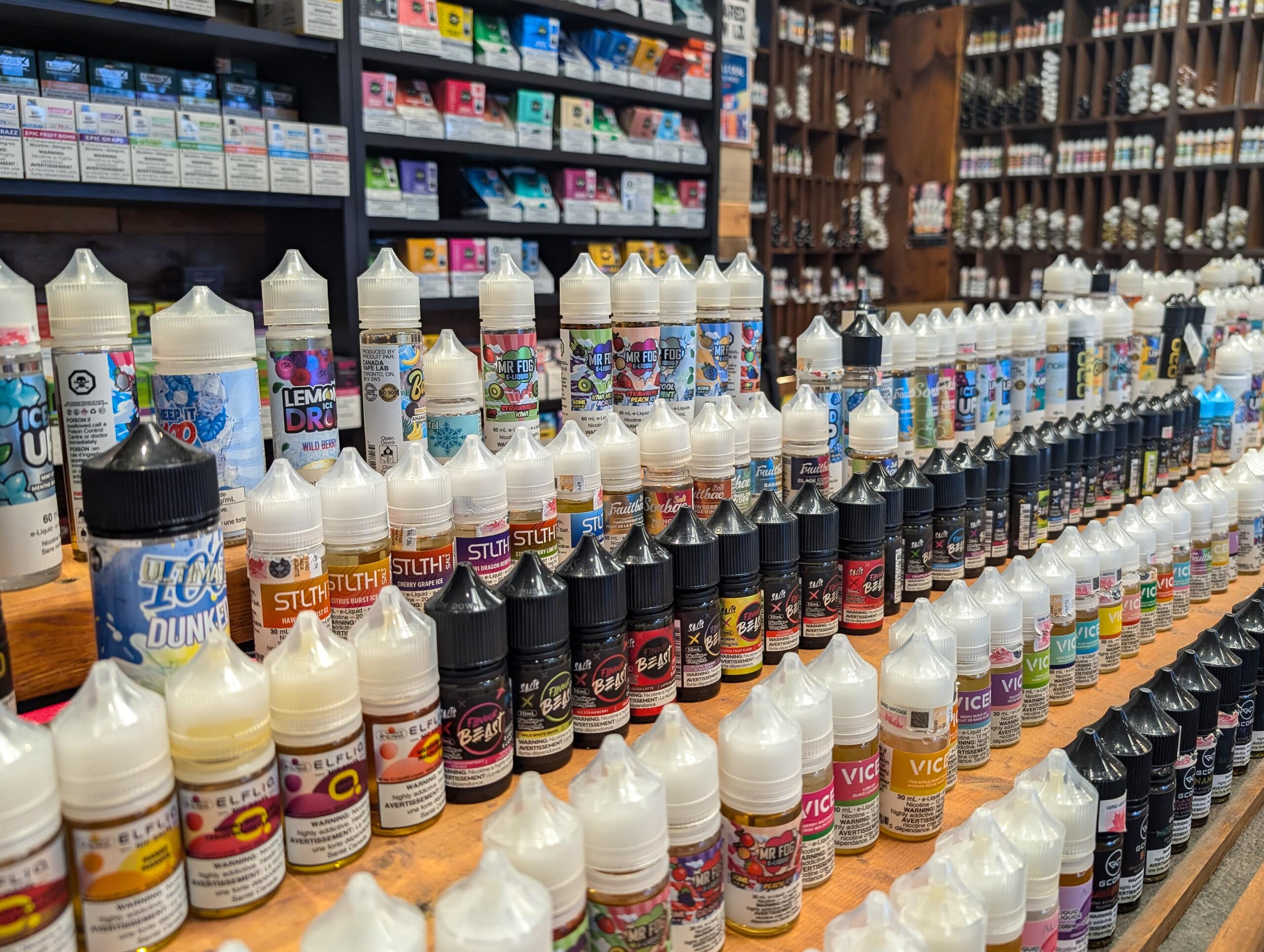
The use of flavored products, particularly fruit, candy or dessert flavors, is considered to present a higher risk of initiation among young people and must therefore demonstrate health benefits for smokers wishing to reduce or stop their cigarette consumption, compared to the use of tobacco-flavored products, or other flavors, such as cinnamon, cloves or coffee, which are considered potentially less attractive to children.
This approach was notably confirmed by the United States Supreme Court in the case FDA v. Wages and White Lion Two e-liquid manufacturers, Wages and White Lion Investments and Vapetasia, submitted applications to the FDA in 2020 for market authorization for their flavors, which include names such as "Suicide Bunny Mother's Milk and Cookies" and "Iced Pineapple Express." The FDA rejected these applications, finding no evidence that the potential benefits of these flavors for adult smokers outweighed the risks to youth. The 2024 PATH study showed that among American high school students, 87.6% of those who reported using an e-cigarette used flavored products.[2].
To date, the FDA website indicates that it has approved only 39 electronic nicotine delivery systems (ENDS). These applications come from just four companies, all owned by major tobacco companies. Of these 39 products, all are tobacco or menthol flavored, the only flavors the agency has accepted so far.
The document recently published by the FDA emphasizes that the evidence must be based on a set of scientific elements. It specifically mentions the use of sensory perception and consumer reaction studies, including blind sensory evaluations, to assess the relative appeal of different flavor formulations without requiring product use. The FDA also recommends including reference flavors such as tobacco, fruit, and candy in these studies for comparison purposes.
Furthermore, the draft document addresses device access restrictions (DARs), such as fingerprint recognition, biometric unlocking, and geofencing. The FDA stated that while these technologies can be part of a comprehensive youth prevention strategy, their exclusive use is generally insufficient to mitigate the risks associated with flavors that are highly appealing to young people.
For high-risk flavors such as fruits, candies, and desserts, if an applicant claims to rely solely on the DAR to reduce risks among young people, they will face a "particularly high" burden of proof.
A gradual easing of federal rules related to vaping, while pro-vaping lobbying remains very powerful.
This decision to make the authorization of flavors appealing to young people and non-smokers contingent on scientific evidence, rather than banning them outright, reflects a shift in the practices of the public agency, which is facing significant pressure regarding vaping products and flavors more broadly. Under the Biden administration, the FDA was poised to announce two major regulations: one banning the sale of menthol cigarettes and the other flavored cigars. However, with the 2024 election approaching, the Biden administration postponed the ban on menthol cigarettes.
A few days after the Trump administration took office, the two draft regulations were officially removed from the FDA's agenda as part of a broader freeze on the agency's various tobacco and vaping regulations. Internal changes also saw Dr. Brian King, director of tobacco and nicotine product regulation at the FDA, has been removed from his position..
Currently, only California and Massachusetts prohibit the sale of most flavored vaping products (excluding tobacco): a 2019 law, which took effect in mid-2020, made Massachusetts the first state in the country to ban the retail sale of flavored vaping and tobacco products, including menthol cigarettes.[3]. These products can now only be purchased for on-premises consumption in licensed tobacconists.
The Massachusetts Department of Public Health recently released a report showing that its legislation has reduced the prevalence of smoking in the state, and has led to savings of more than $70 million (€60 million) in health care expenses.
AD
[1]Flavored Electronic Nicotine Delivery Systems (ENDS) Premarket Applications – Considerations Related to Youth Risk, FDA, published in March 2026, accessed on March 10, 2026
[2]Charlie Minato, FDA Says It Will Consider Approving Flavored Vapes, Halfwheel, published March 9, 2026, accessed March 10, 2026
[3]Beck Wehner, Massachusetts report finds flavored tobacco restriction cuts smoking rates, WWLP, published on March 9, 2026, accessed on March 10, 2026