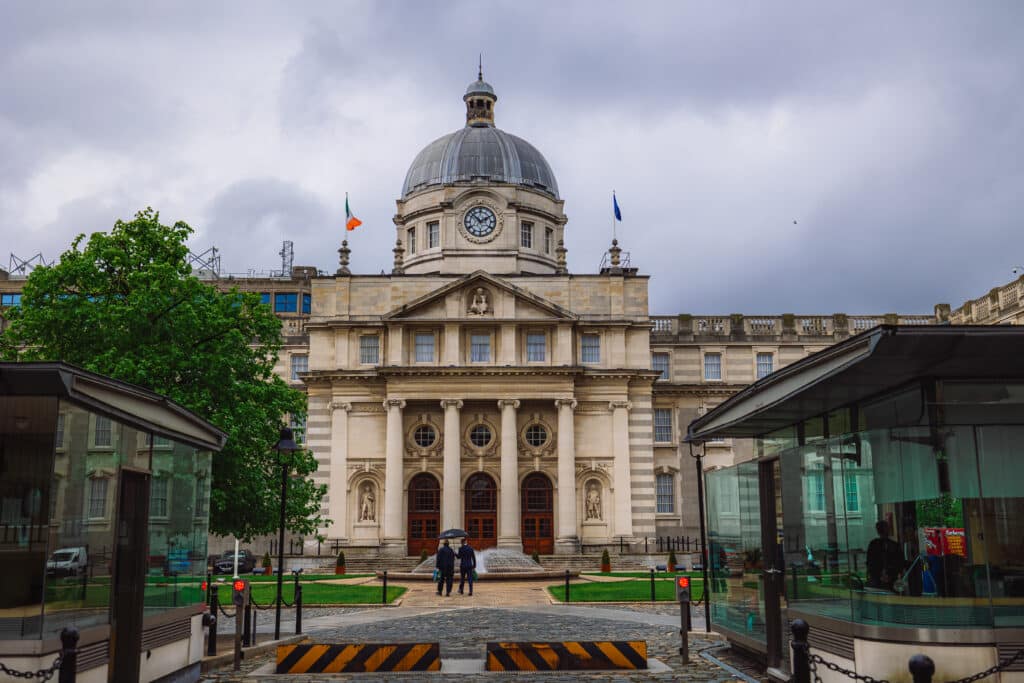
Ireland, UK and France on the podium of the tobacco control scale in 2021
December 2, 2022
Par: National Committee Against Smoking
Dernière mise à jour: December 2, 2022
Temps de lecture: 6 minutes
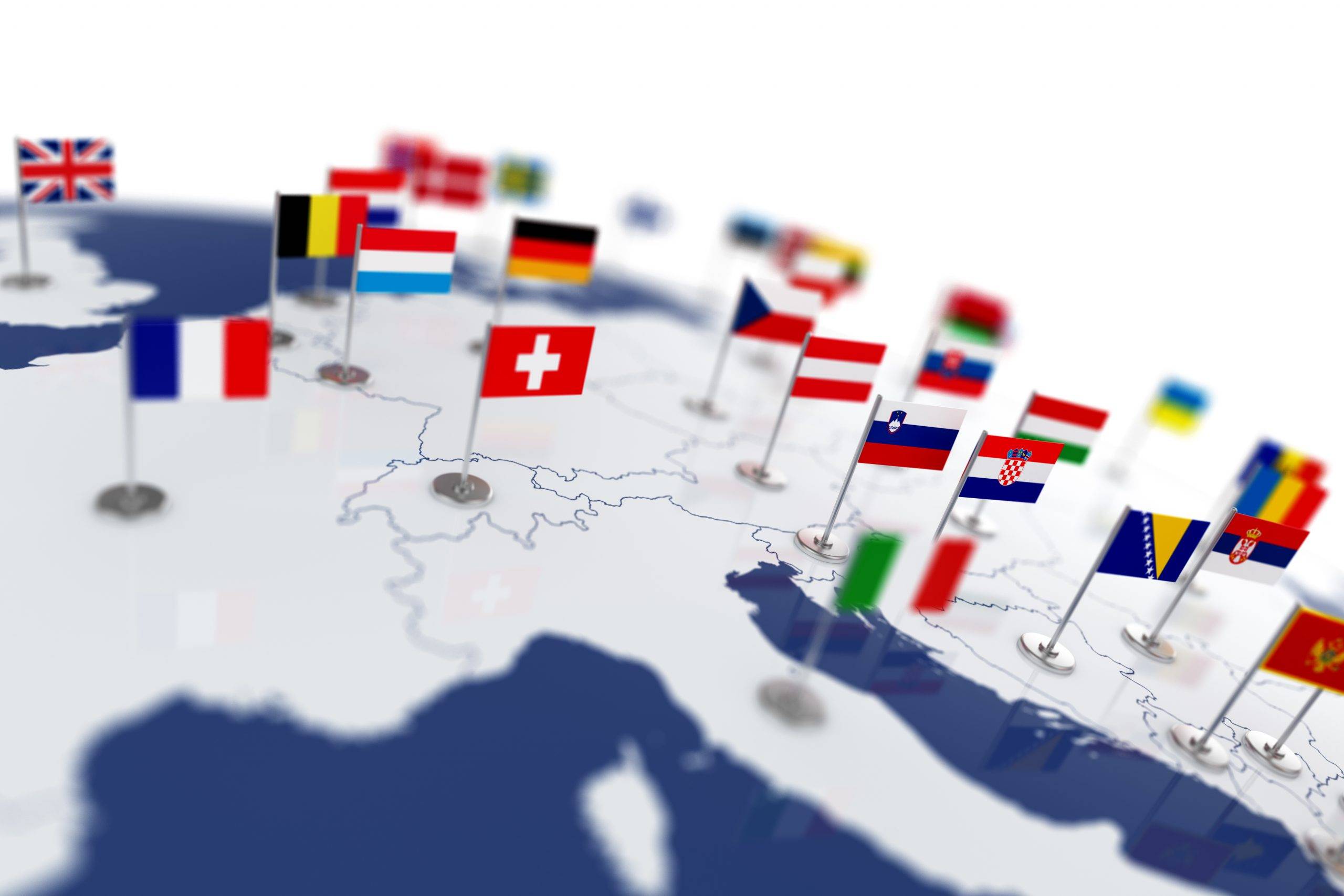
THE 2021 ranking of European countries according to the scale of measures adopted by countries to combat smoking was presented this Friday, December 2, at the WHO symposium on tobacco control in Barcelona. This scale includes a range of measures such as price levels, smoking bans, etc. It concerns 37 European countries in 2021 (the 27 EU countries + Bosnia and Herzegovina, Iceland, Israel, Norway, Russia, Serbia, Switzerland, Ukraine, the United Kingdom and Turkey). The scale shows that Ireland, the United Kingdom and France are at the top of the ranking, while Serbia, Switzerland and Bosnia and Herzegovina show very poor results.
The scale was first introduced in 2006 by Luk Joossens, an expert from the European coalition Smoke Free Partnership (SFP), and Martin Raw, Director of the International Stop Smoking Centre. It is based on the assessment of six public policies described by the World Bank, used to assess the level of implementation of tobacco control policies in each country. Scores can be up to 100 points, and are determined through a nationally distributed survey involving national organisations and international measurement instruments. Points are awarded as follows: tobacco prices (30 points), smoke-free public places (22 points), total ban on tobacco advertising (13 points), spending on public information campaigns (10 points), large health warnings (10 points), cessation support (treatment) (10 points), combating illicit trade (3 points) and tobacco industry interference (2 points).
Tobacco industry interference remains main obstacle
Only nine countries (Ireland, United Kingdom, France, Netherlands, Hungary, Norway, Finland, Iceland and Romania) obtained 60 points or more (two more than in 2019), eleven countries obtained between 50 and 59 points (Belgium, Spain, Turkey, Denmark, Israel, Greece, Malta, Slovenia, Italy, Russian Federation, Lithuania).
The remaining 17 countries did not reach 50 % of the total possible score. Five countries (Bosnia and Herzegovina, Switzerland, Serbia, Germany and Bulgaria) have very low scores, with less than 45 points, the lowest score being 25 points for Bosnia.
Countries at the bottom of the rankings remain highly susceptible to interference from the tobacco industry, which the authors of the ranking describe as the main obstacle to the introduction of effective tobacco control policies. Germany is a case in point. Despite its commitment and international obligations, tobacco control policies remain largely influenced by the tobacco lobby. No real tax increases on tobacco products have been implemented for 15 years, the regulation of smoke-free areas is still particularly lacking and the country remains one of the last in the EU to authorise advertising for tobacco products.
The situation is similar in Switzerland, the only country in the ranking that has not ratified the WHO Framework Convention and which constitutes the "playing field" of the tobacco industry. And this, despite a referendum in 2022 approving restrictions on tobacco advertising. A new law is expected to come into force in 2024, but it still does not contain a total ban on tobacco advertising.
In Bulgaria, a recent report[1] shows how the tobacco industry uses third parties to get its messages across to the public, prescribers and policy makers. Several organizations, funded by the local branch of Philip Morris, without disclosing it, have worked in favor of heated tobacco and a reduction in taxes on these products.
France loses one place but remains on the podium
Ireland and the United Kingdom are the countries that obtain the highest score (82 out of 100 points each), followed by France which comes in third place with 71 points (compared to 74 points in the previous edition in 2019. France was then in second place in the previous edition.
The results show room for improvement for all the measures assessed in France, which lost one point in three categories (taxation, investment in information campaigns and accessibility to smoking cessation aids). In terms of taxation, a pack of Marlboros cost €10.50 in 2022 (compared to €15.40 in Ireland), but the price has hardly changed over the last two years. A new tax policy for all tobacco products, including heated tobacco products, is under discussion and strongly needed according to the authors.
Regarding investment in information campaigns, no country reaches the target of €2 per capita. Only Iceland comes close with €1.84 invested per capita. The Netherlands and France are the two countries that invest the most after Iceland with €0.69 and €0.56 invested per capita, respectively.
While several countries received the maximum number of points (13 points) for compliance with the ban on advertising tobacco products, France only ranks 13th.e in this category with 11 points because there is no ban on the display of tobacco at points of sale.
While France has good results regarding smoke-free places (18/22), progress can be made in bars/restaurants and in the workplace where the ban is not always respected and a significant proportion of people say they are victims of passive smoking in these places.
Interference by the tobacco industry is also a point of vigilance in France, as recently highlighted by the National Committee against Smoking (CNCT) through the second edition of its 5.3 awards "for public policies without tobacco and without lobbying"[2]The tobacco industry and its allies are very active in France in slowing down or blocking the implementation of effective anti-smoking measures.
Keywords: Tobacco Control Scale, anti-tobacco control, Europe, fight against smoking, France
©Generation Without TobaccoAE
[1] Tobacco-free generation, The role of tobacco industry front groups in Bulgaria, published on June 2, 2022, consulted on 1er December 2022
[2] Tobacco-free generation, 5.3 Award: Philip Morris France awarded a gold cigarette butt for the second consecutive year, published on November 21, 2022, consulted on December 1, 2022
National Committee Against Smoking |