Ecological impact: cigarettes pollute more than red meat
February 18, 2020
Par: communication@cnct.fr
Dernière mise à jour: February 18, 2020
Temps de lecture: 2 minutes

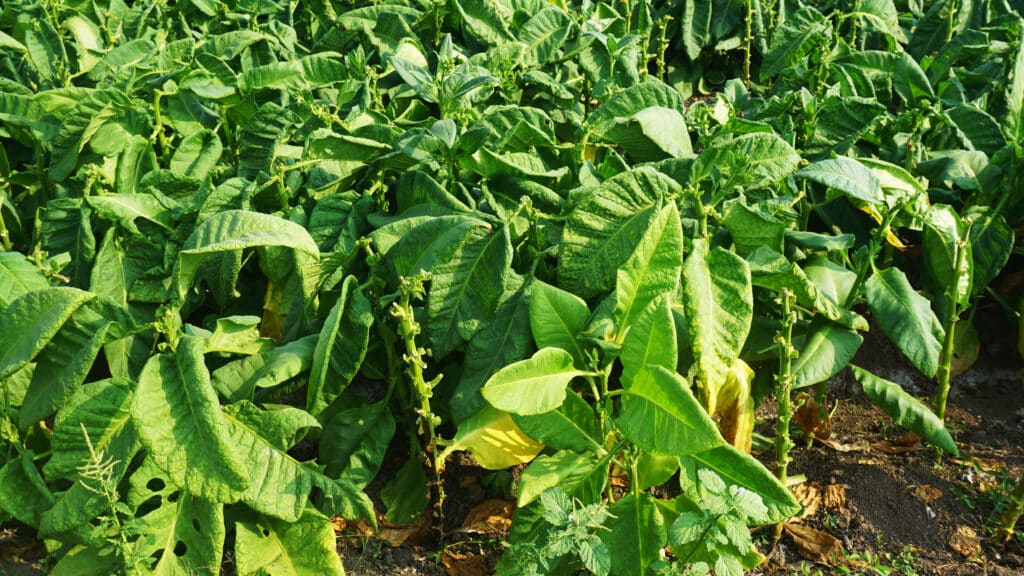
The environmental effects of smoking are not limited to the pollution generated by cigarette butts. Indeed, tobacco growing, due to the resources it requires, is an energy-intensive activity, much more important than that of other agri-food sectors, such as livestock farming. Thus, according to a study published in 2018 by Imperial College London[1], tobacco cultivation requires large areas of land. For example, 1,300 square metres are needed to grow one tonne of tobacco, whereas an equivalent area would be enough to grow six tonnes of tomatoes. A conversion of tobacco fields into agricultural production to feed these areas could feed between 10 and 20 million people worldwide.. Tobacco also requires a lot of water to grow: 670 cubic meters for one ton of tobacco. That's as much as rice, and five to eight times more for an equivalent quantity of tomatoes or potatoes. According to the study, behind each cigarette are 3.7 liters of water, 3.5 grams of oil and a carbon footprint equivalent to an emission of 14g of CO2 into the atmosphere. If we take the example of a person who smoked a pack of cigarettes a day for fifty years, the figures are edifying:
[1] https://pubs.acs.org/doi/10.1021/acs.est.8b01533 | ©National Committee Against Smoking |
- It will be necessary 132 trees for ten years to offset its carbon footprint;
- It will have used up as much water as the average French domestic consumption for 25 years;
- It took mobilize the same amount of energy as an Indian family for fifteen years.
[1] https://pubs.acs.org/doi/10.1021/acs.est.8b01533 | ©National Committee Against Smoking |