Spying and bribery in Zimbabwe: a new scandal splashes British American Tobacco
September 14, 2021
Par: National Committee Against Smoking
Dernière mise à jour: September 14, 2021
Temps de lecture: 4 minutes
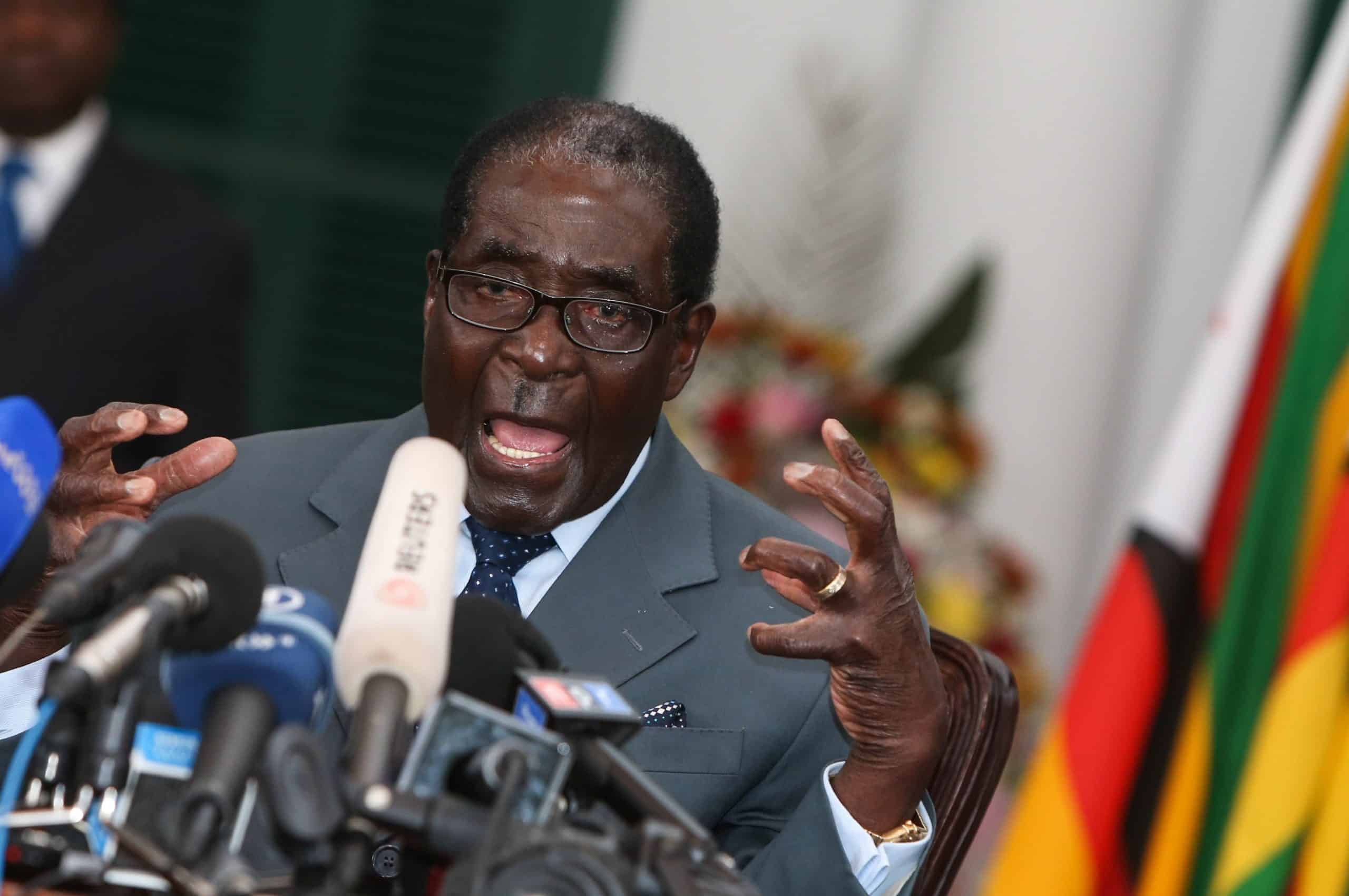
British American Tobacco was allegedly involved in negotiating a bribe worth hundreds of thousands of euros on behalf of former Zimbabwean dictator Robert Mugabe. These are the findings of a joint investigation by the Bureau of Investigative Journalism, the BBC, and the University of Bath, which has gained access to thousands of confidential documents.[1].
Internal documents show that British American Tobacco (BAT) funded a network of approximately 200 secret informants in southern Africa, under the direction of the Forensic Security Services (FSS). This private security company, officially mandated to combat the illicit trade in tobacco products, was in reality providing an illegal spying service on the tobacco company's rivals. In particular, the BBC reports on an operation during which the FSS was ordered to shut down three cigarette factories run by local companies that were rivals of BAT. In 2012, three directors were charged after being caught hiring a company to monitor a factory competing with BAT. These arrests led Robert Mugabe, then still in office, to condemn these actions and the tobacco giant's alleged involvement.
Up to $500,000 in bribes
However, according to the BBC, intermediaries working on behalf of BAT were simultaneously in discussions with several Zimbabwean officials. In particular, one negotiator, who wished to remain anonymous, claimed to have bribed government officials to secure a meeting regarding the three indicted directors. Internal documents confirm that this intermediary received the equivalent of more than €10,000 in local currency, and suggest that this money was provided by BAT. In the context of upcoming presidential elections, during one of these meetings, a government official reportedly suggested to the intermediary that a donation to Robert Mugabe's party, in the order of $300,000 to $500,000, would be welcome. While the documents do not yet reveal whether the bribe was actually paid, BBC sources confirm that the tobacco company was aware of the ongoing negotiations. As the media outlet points out, paying bribes is prohibited by British law, regardless of where the transaction takes place.
A sophisticated illegal spy network serving BAT in Zimbabwe
FSS worked for BAT between 2000 and 2016. As the investigation shows, the evidence available to date strongly suggests that the company bribed customs officials and police officers, tapped the phones of BAT's competitors, placed tracking devices on their delivery vehicles, and bribed staff to obtain information. The documents show that senior managers at the UK headquarters were also involved in recruiting and paying some informants working for competing companies. For its part, British American Tobacco has rejected the accusations outright, stating that it was merely acting legally and legitimately in the fight against illicit trade: "We categorically reject the misinterpretation of our conduct. Our efforts in the fight against illicit trade are aimed at assisting the authorities in combating the criminal trade in tobacco products."
Accusations of BAT's involvement in such practices are not new. In 2015, other documents revealed that the tobacco company was secretly bribing officials and politicians across East Africa to slow and block the effective implementation of the WHO Framework Convention on Tobacco Control (FCTC).
Keywords: Mugabe, BAT, Corruption ©MENG CHENGUANG/XINHUA NEWS AGENCY/NEWSCOM/MAXPPP ©Generation Without TobaccoFT
[1] BBC, British American Tobacco negotiated bribe for Mugabe, new evidence suggests, 09/13/2021, (accessed the same day)
National Committee Against Smoking |