Spain: Is a ban on online sales of nicotine sachets and electronic cigarettes on the horizon?
March 5, 2026
Par: National Committee Against Smoking
Dernière mise à jour: March 3, 2026
Temps de lecture: 4 minutes
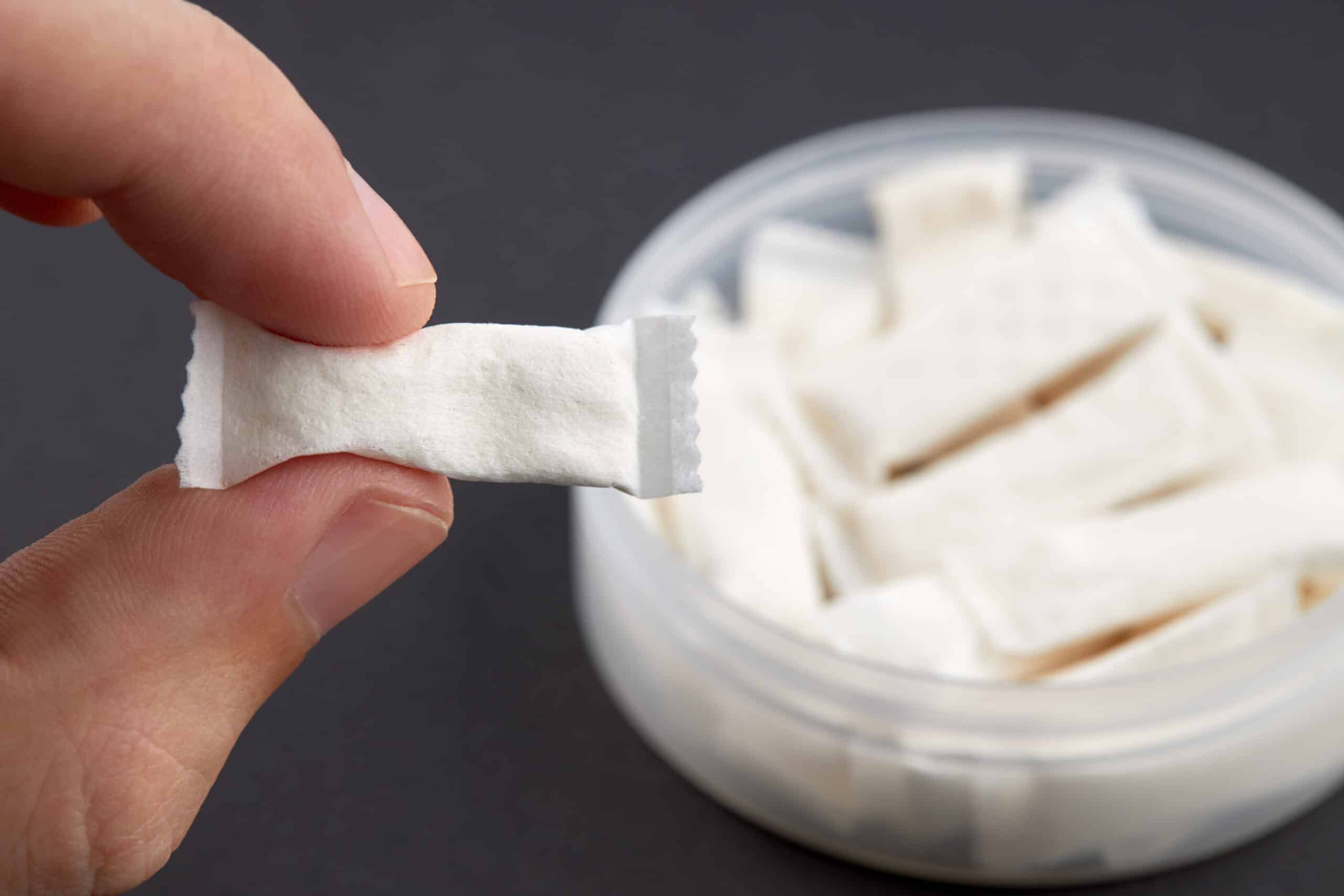
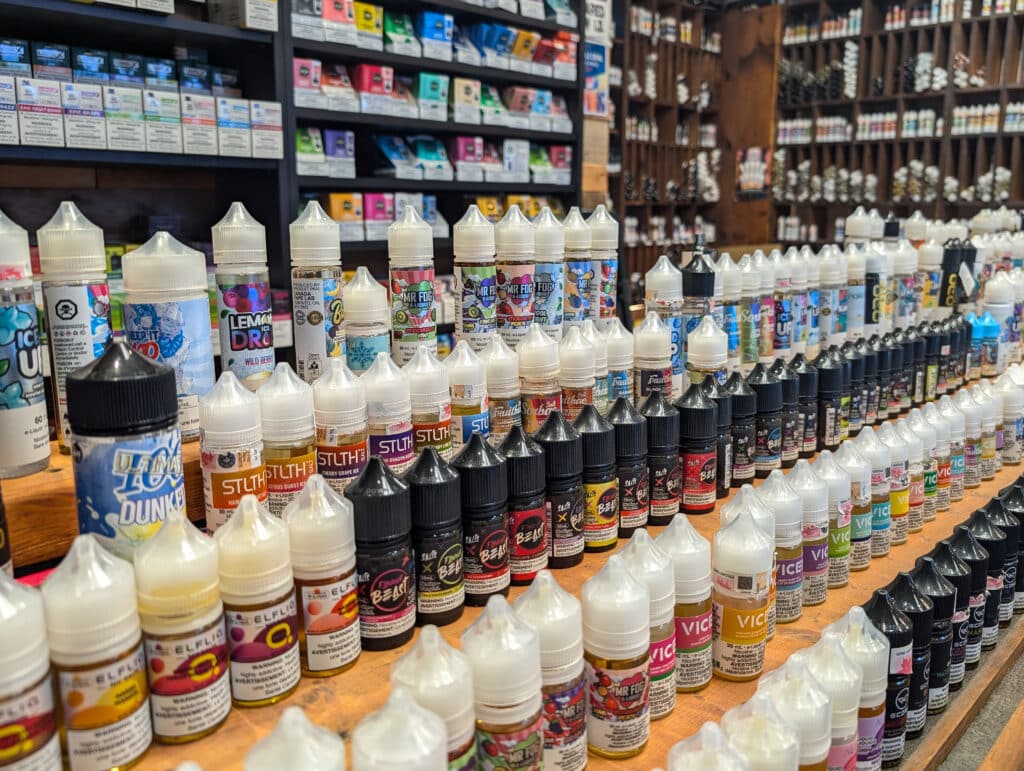
In Spain, the Socialist Party (PSOE) has submitted a non-legislative proposal to ban the sale of electronic cigarettes and nicotine sachets, both online and in non-specialized stores.
The PSOE, currently leading the Spanish government, has submitted a non-legislative proposal (PNL) to Congress aimed at strengthening controls on the marketing of electronic cigarettes and nicotine pouches.[1]. A non-legislative proposal is a parliamentary initiative without normative value. Thus, while it does not create a binding legal standard, it nevertheless allows parliamentarians to establish a political position and recommend action to the government. Such an initiative is similar to a French resolution, like that of tabled by MP Frédéric Valletoux to combat the illicit trade in tobacco products.
Lack of control, pollution: a situation deemed problematic in Spain
The Spanish non-legislative proposal (PNL) is motivated by several findings deemed alarming. Firstly, the authors of the text point out that nearly half of adolescents aged 14 to 18 have already used e-cigarettes, the highest level ever recorded in available studies. Secondly, the proposal argues that the sharp increase in e-cigarette consumption poses an environmental problem, as these devices are composed of lithium batteries and are often discarded outside of authorized collection systems. Indeed, while Spain has increased taxation While applicable to electronic cigarettes since 2025, disposable devices are not yet banned. Finally, the National Nicotine Protection Agency (PNL) points out that the sale of nicotine pouches currently falls within a regulatory vacuum, as these products do not qualify as nicotine replacement products.
Strengthen control and fund waste collection
In this context, the authors propose restricting the sale of vaping products and nicotine pouches to authorized channels only, and strengthening traceability, taxation, and compliance with environmental standards. The National Lending Policy (NLP) also emphasizes the need to require manufacturers to finance waste collection to allow for free returns of devices. Finally, the NLP aims to increase controls on authorized sales channels, particularly non-specialized retailers, and to strengthen penalties for violations of the ban on sales to minors.
Similar requests observed in France
While the National Tobacco Control Program (PNL) remains vague on defining "authorized sales channels," implementing these measures could prove beneficial to the Spanish tobacconist network by reducing the number of licensed outlets. In France, numerous amendments along similar lines have been tabled during budget discussions, proposing to grant tobacconists a monopoly on the sale of nicotine pouches. However, the National Committee Against Smoking (CNCT) points out that such a situation would likely not strengthen controls on the sale of these products, given the violations regularly observed in these outlets, and that the sale of nicotine pouches is already prohibited in France. Therefore, the CNCT recommends that public authorities ban the online sale of vaping products and implement a licensing system.
FT
[1] Spanish Socialist Workers' Party, Non-legislative proposal to regulate the marketing of nicotine sachets and electronic cigarettes, Published on 24/02/2026, accessed on 03/03/2026