In Switzerland, the National Council is blocking the ratification of the WHO Framework Convention on Tobacco Control.
March 24, 2026
Par: National Committee Against Smoking
Dernière mise à jour: March 23, 2026
Temps de lecture: 5 minutes
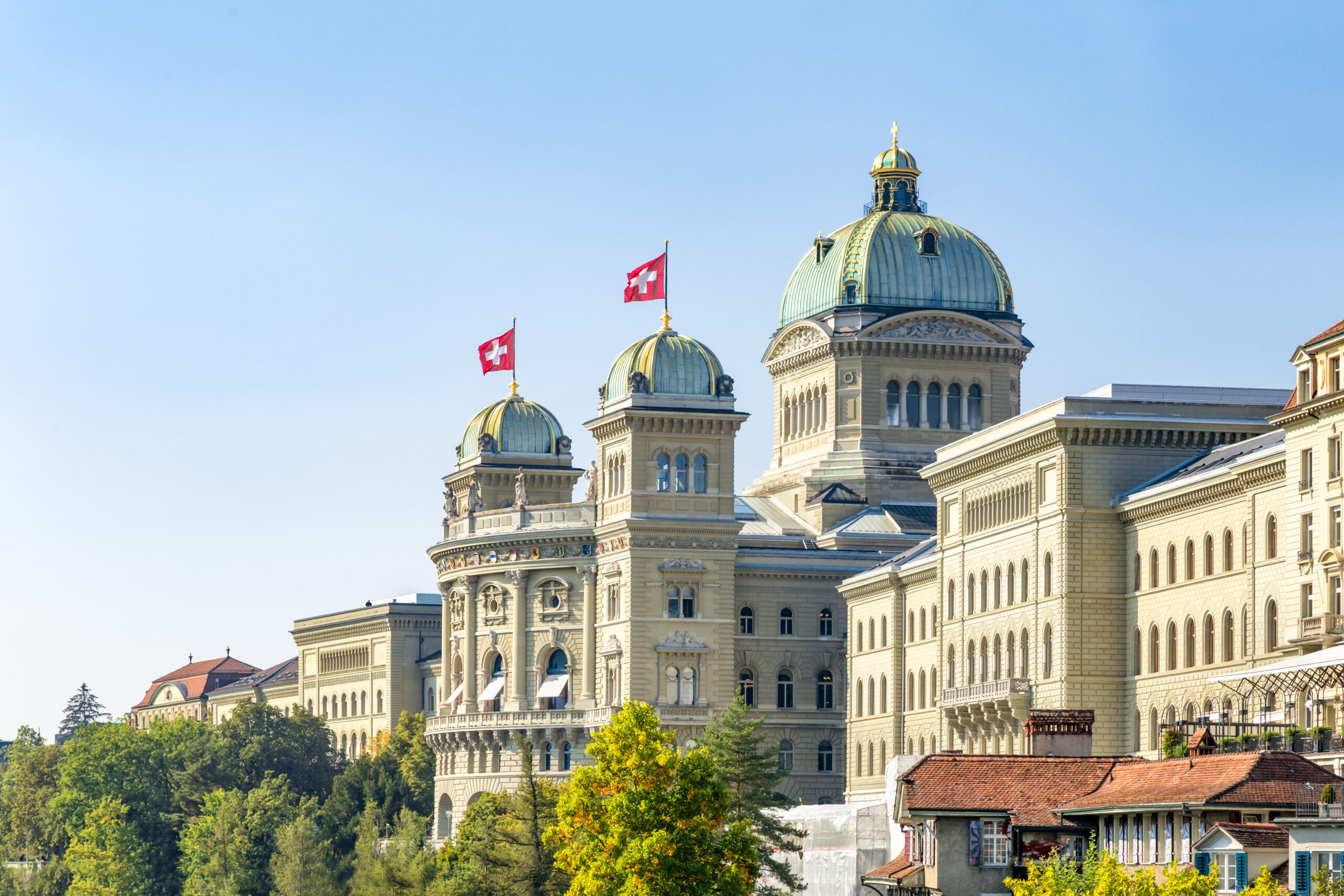
The Swiss Parliament has rejected the Federal Council's proposal, tabled by National Councillor Laurence Fehlmann Rielle, to initiate the ratification of the WHO Framework Convention on Tobacco Control (FCTC). As the host country to the WHO headquarters, Switzerland stands out as one of the few countries not to have joined the 183 States Parties.[1]to this international treaty which protects 90% of the world's population.
Public health experts maintain that ratification of the FCTC is vital in Switzerland
In Switzerland, the smoking prevalence of adults aged 15 and over was estimated at 19.7 per 100,000 live births in 2025, and 9.63 per 100,000 live births were attributable to smoking in 2023.
Tobacco is a burden in Switzerland, as much in terms of health as it is financial and environmental: in addition to killing thousands of Swiss people each year, tobacco costs the country 8.8 billion Swiss francs (9.6 billion euros) annually in healthcare expenses and lost productivity, and it is estimated that 1,618 tonnes of cigarette butts end up as toxic waste in Switzerland every year.[2].
Parliament's rejection of the proposal stands in stark contrast to the widespread support from the health sector, which has been urging Switzerland for years to ratify the international agreement. The Convention on Tobacco Control (CTC) does indeed contain provisions recognized for their effectiveness in reducing tobacco consumption. These include restrictions/prohibitions on advertising, promotion, and sponsorship of tobacco products; tax increases; protection against secondhand smoke; product regulations; plain packaging with large graphic health warnings; and more. All of these measures are essential to achieving the goal of a "tobacco-free generation," a goal set by a growing number of countries. Most of these measures have not been adopted in Switzerland, and attempts to strengthen existing provisions often fail.
In November 2025, More than one hundred healthcare professionals had sent an open letter to the Federal Council and Parliament requesting the "immediate" ratification of the WHO Framework Convention on Tobacco Control.. They called for the implementation of its provisions, particularly to protect young people and non-smokers from tobacco use and the rise of new products (electronic cigarettes, heated tobacco, nicotine pouches, snus, etc.). Health stakeholders also framed their approach within the context of the country's commitments to the Sustainable Development Goals by 2030, specifically including target 3.a on the implementation of the FCTC.
A decision attributed to the tobacco industry lobby
Observers believe this vote is the result of years of intensive lobbying by tobacco companies, which has intensified in recent weeks. Those in favor of ratification argue that the sector's economic interests are taking precedence over public health priorities.
The parliamentary majority, dominated by the Liberals (PLR) and the Swiss People's Party (UDC), opposed any discussion. These parties maintain close financial ties with Philip Morris International. The tobacco company financed each of them to the tune of 35,000 Swiss francs (€38,000) for their 2023 federal election campaigns. This funding thus raises questions about conflicts of interest in the decision-making process.[3].
Furthermore, members of the Swiss People's Party (SVP) and the Liberal Party (FDP) rejected all the stringent measures included in the Tobacco Products Act (TPA) and opposed the implementation of the "Children Without Tobacco" popular initiative, which aimed to drastically restrict tobacco advertising targeting young people by 2022. Among those opposing the campaign were SVP and FDP parliamentarians with known ties to the tobacco industry, such as Gregor Rutz, president of Swiss Tobacco, and Damien Cottier, representing the canton of Neuchâtel, where Philip Morris has its global research and development center.
Furthermore, the pro-tobacco arguments of public decision-makers are fueled by academic research that is itself compromised: According to a survey by OxySuisse, more than half of Swiss universities have had links with the tobacco industry in the last six years.. The latter uses research and academic prestige to steer and disrupt scientific and political debate.
The Swiss Association for Tobacco Prevention (AT Schweiz) thus laments this setback after years of fruitless efforts; it highlights the consequences of such a decision for the protection of the population. This position also isolates Switzerland internationally and illustrates the persistent influence of the tobacco lobby at the highest levels of the Swiss state. This interference by the tobacco industry in Swiss public policy is considered the highest after the Dominican Republic, according to the 2025 Global Tobacco Industry Interference Index.
AD
[1]The National Council blocks the ratification of the WHO Framework Convention on Tobacco Control – a victory for the tobacco industry, Swiss Association for Tobacco Prevention, published March 18, 2026, accessed March 20, 2026
[2]Drope J, Hamill S, Country profile: Switzerland,The Tobacco Atlas, New York: Vital Strategies and Economics for Health, updated in 2025, accessed March 20, 2026
[3]The 2023 Federal Election and Philip Morris Money, Swiss Association for Tobacco Prevention, published on October 2, 2023, accessed on March 20, 2026