In Ireland, intense lobbying by tobacco companies is hindering the fight against tobacco.
March 19, 2026
Par: National Committee Against Smoking
Dernière mise à jour: March 16, 2026
Temps de lecture: 6 minutes
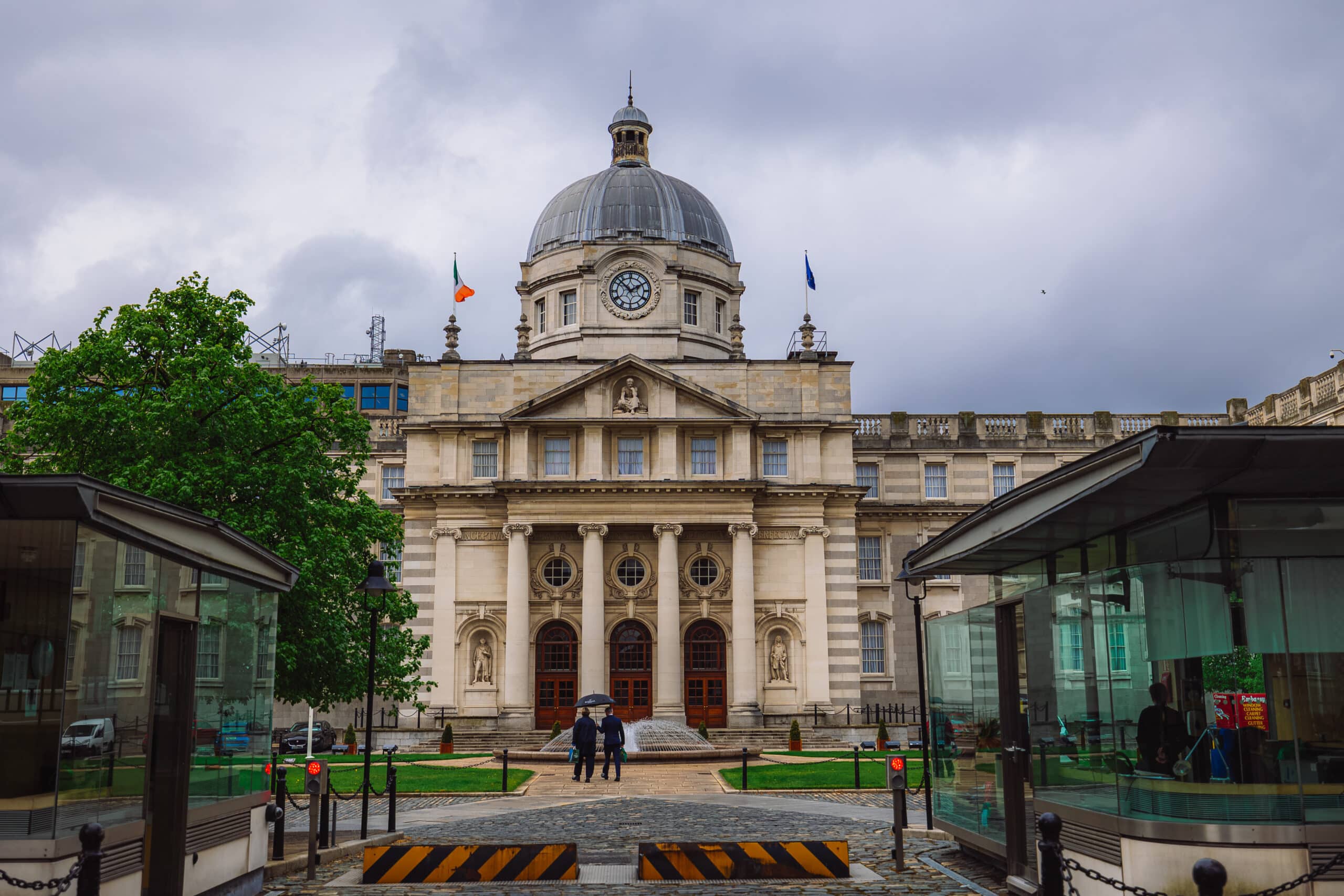
An analysis of 511 lobbying declarations recorded between 2016 and 2024 shows that the tobacco and vaping industry remains highly influential with Irish policymakers, despite an advanced transparency framework. The authors believe this influence is hindering the country's "tobacco-free generation" ambitions and call for stronger enforcement of Article 5.3 of the WHO Framework Convention on Tobacco Control (FCTC).[1].
A context of stagnation in Irish breakthroughs against smoking
Ireland has long distinguished itself with ambitious anti-smoking policies, having introduced a total smoking ban in all public places and workplaces as early as 2004. In 2013, the country adopted the “Tobacco Free Ireland” strategy. Subsequently, strong fiscal strategies were pursued, coupled with the introduction of plain packaging and raising the minimum age for the sale of tobacco products from 18 to 21 in 2024.
The country also established a public lobbying register in 2015, which was considered robust and relatively comprehensive.
However, after years of decline, the prevalence of smoking among adults aged 15 and over has stagnated around 17-18 % since 2019, while daily or occasional use of electronic cigarettes is at 8 %, with a peak of 17 % among 15-24 year olds.
Apart from the transparency obligations which are linked to the provisions of Article 5.3 of the WHO FCTC, no other provision concerning this general obligation has been transposed into domestic law.
Nine years of lobbying dissected: industry on the front line
A study was conducted on the systematic analysis of lobbying register entries between January 2016 and December 2024 concerning tobacco, vaping, and nicotine products. After excluding empty entries and irrelevant data, 511 entries, issued by 39 different entities, were analyzed.
The authors classified each statement according to the actor's profile (tobacco industry, vaping industry, retailers, consulting firms, health organizations, others), according to the themes addressed (health, trade, taxation, etc.), the means of communication (emails, letters, meetings) and finally the public officials targeted.
The channels used are dominated by written communication: 89 % of the statements mention emails or letters, but 24 % refer to at least one meeting, a mode of action particularly favored by consulting firms.
The results reveal a clear imbalance between commercial interests and healthcare stakeholders. Vape Business Ireland, Japan Tobacco International (JTI) Ireland, and the Irish Heart Foundation are among the main users of the registry, with JTI becoming the most active player if declarations filed by its consulting firm, FTI Consulting, are included.
Overall, the tobacco and vaping industry, retailers and consultants account for 365 declarations, compared to only 125 for health organizations, almost three times fewer.
Lobbying activity remained strong throughout the period, with a dip in 2020 linked to the Covid-19 pandemic.
However, a shift in profiles is observed: the share of declarations directly attributed to the tobacco industry falls from 58 % in 2018 to 29 % in 2024, while that of retailers increases from 2 % to 21 %, which suggests an increased use of intermediaries and “front groups”.
Taxes, the black market and vaping: recurring themes
Recurring themes include taxation. The industry opposes tax increases on tobacco and vaping products, while health organizations advocate for specific increases and levies, particularly those aimed at funding smoking cessation programs.
Manufacturers link the issue of taxation to the risk of illicit trade, and this issue appears in proportions similar to that of taxes, in approximately 14% of declarations. Industry representatives emphasize tax losses and security concerns, while health stakeholders refer to the WHO's International Protocol to Combat Illicit Trade in Tobacco Products.
The regulation of vaping is also a major issue with opposing demands, health actors calling for protective regulatory measures (ban on flavors and sales to minors, taxation, unattractive packaging, ban on disposable electronic cigarettes, etc.) while manufacturers oppose restrictions.
Other topics are mentioned more sporadically, particularly in the areas of smoking cessation and the expansion of smoke-free areas.
Highly targeted decision-makers and a call from NGOs to strengthen safeguards against lobbying
In total, 481 different public officials are cited in the statements, for 2,932 mentions.
Members of the Dáil Éireann (lower house of the Irish Parliament) and senators in the Seanad (upper house of the Irish Parliament) are the main targets, but senior officials in the Ministries of Health and Finance are also heavily solicited: the Minister of Health appears in 20 of the statements, about half of which come from commercial actors, and the Minister of Finance in 11, of which nearly 70 come from industry or retailers.
According to the authors, these results show that the industry's influence remains structured, persistent, and more extensive, particularly due to the significant resources available to healthcare providers. While transparency is certainly deemed necessary, the authors emphasize that the declarations should be more precise and supplemented by other provisions.
They therefore call for the transposition of the implementing directives of Article 5.3 providing for the definition of clear national guidelines on contacts with industry, training for public officials, stricter rules on “revolving doors”, enrichment of the register including more detailed information on meetings, better standardisation, periodic validation and enhanced use of the right to information.
According to them, only a combination of increased transparency and explicit safeguards will allow Ireland to regain control of its tobacco control policies and move closer to a genuine tobacco-free goal. This study comes as the country has recently reaffirmed its commitment to combating new nicotine products at national and European levels and is expected to assume the presidency of the European Union soon.
AD
[1]Hanrahan M, Kavanagh P, Registered tobacco and vaping lobbying activity in Ireland, 2016–2024: the case for strengthening implementation of the Framework Convention of Tobacco Control Article 5.3 to clear the path for tobacco endgame, Tobacco Control, published March 11, 2026, accessed March 13, 2026