Completely tobacco-free universities in Tunisia
January 11, 2024
Par: National Committee Against Smoking
Dernière mise à jour: January 11, 2024
Temps de lecture: 5 minutes
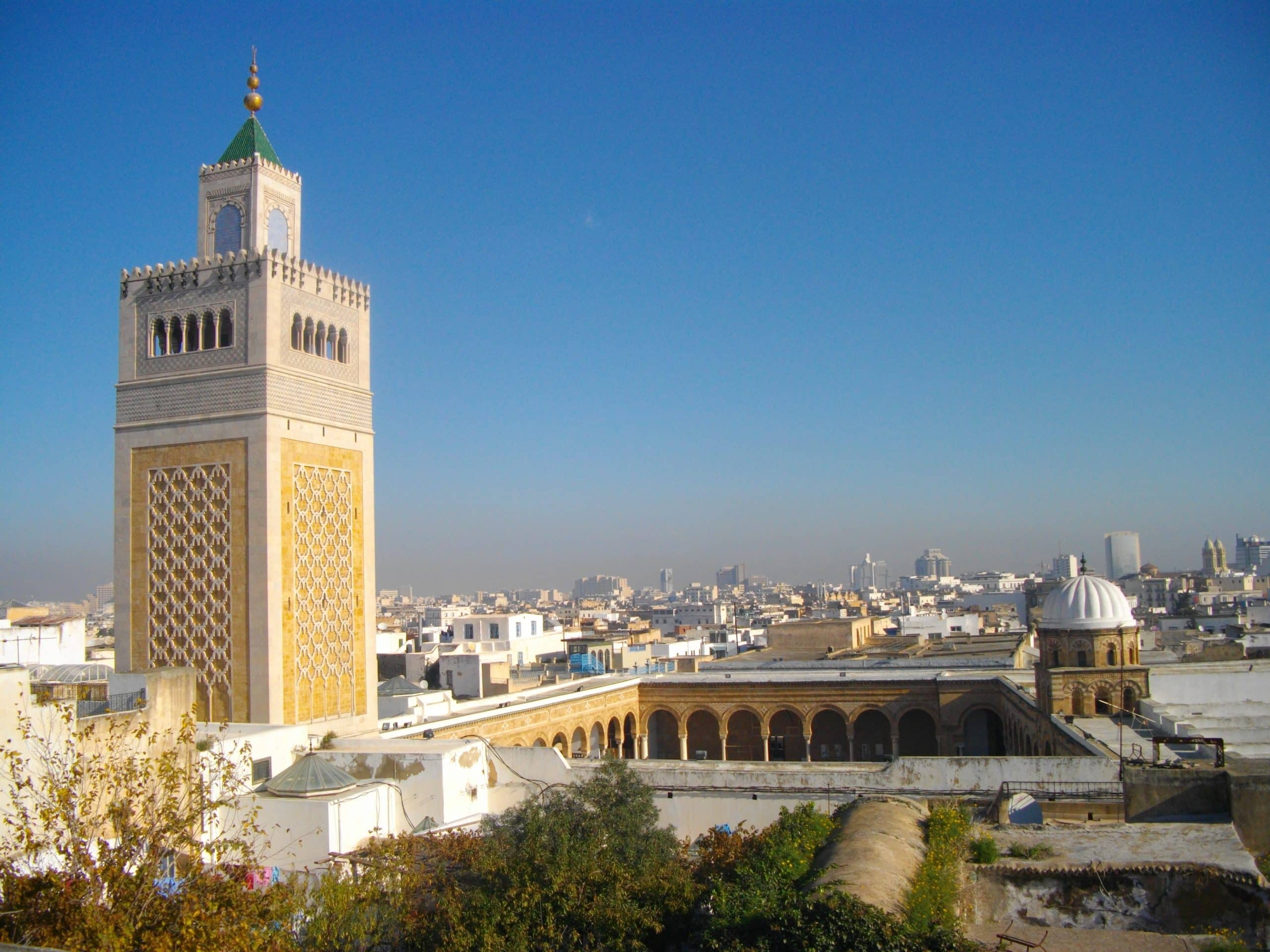
Since January 2, 2024, smoking has been banned in all university premises in Tunisia. Several smoking cessation and awareness-raising actions accompany this ban. This measure highlights the importance of protecting young people and places of education from smoking, both active and passive.
It was on the occasion of World No Tobacco Day, on May 31, 2023, that a charter for the fight against tobacco was signed in Tunisia. The head of government then brought together nine of her ministers to set up a multisectoral coordination of the fight against tobacco.[1]This included bringing Tunisia into line with the guidelines of the Framework Convention on Tobacco Control (CCLAT) of the World Health Organization (WHO), and to take concrete measures. With 13,200 deaths attributed to it in 2019, smoking represents 20% of the causes of mortality in Tunisia and weighs on the country's economic development.
One of these measures was the subject of a circular published on August 24, 2023. This aims to enforce the smoking ban in all university establishments in Tunisia and came into force on January 2, 2024.[2]. A decree of November 1998 smoking was banned in educational establishments, but was poorly enforced and allowed areas reserved for smokers.
The smoking ban applies to all university premises
The smoking ban applies to all areas of Tunisian universities, both inside and outside the premises. Offices, classrooms, meeting rooms, laboratories, university restaurants, as well as corridors, halls, toilets, gardens and foyers are expressly designated as smoke-free areas. No-smoking signs must be installed in a visible manner and in sufficient numbers. Offenders are liable to disciplinary sanctions and to criminal sanctions provided for by the law of February 23, 1998Electronic cigarettes, the use of which is nevertheless increasing in North Africa, are not mentioned in this measure and appear to be poorly regulated in Tunisia.[3].
In parallel with this measure to protect students and university staff from the risks of passive smoking, awareness campaigns on the risks of this exposure to passive smoking and to encourage people to stop smoking will be deployed. Events will be organized by cultural clubs on university premises to raise public awareness. Seminars and scientific events, organized in collaboration with school and university medicine, should relay them.
Universities, places that should be, as a matter of principle, smoke-free
A study published in 2022 indicated that three quarters young Tunisians were exposed to passive smoking, including in educational establishments[4]In June 2023, Hatem Bouzaiene, president of the Tunisian Alliance against Tobacco, indicated that 30 % of minors and 50 % of men are smokers, making Tunisia one of the most smoking Arab countries.[5]. Along with all other places of education, university establishments are nevertheless among the sites identified by the decree of November 1998 as having to be smoke-free. Universities are also places of work and must protect all of their employees, well beyond the classrooms.
One of the new features of this measure is to include outdoor and uncovered spaces at universities. The inclusion of outdoor places in the scope of the smoking ban is increasing in many countries. In France, initiatives municipal have developed in recent years, particularly around schools. Based on these local experiences, a generalization of this smoking ban around all schools has thus been integrated into the new National Tobacco Control Program 2023-2027 (PNLT), published in November 2023.
Keywords: Tunisia, universities, smoking ban, passive smoking
©Generation Without TobaccoMF
[1] WHO-Eastern Mediterranean Region, Meeting of the ministerial group for tobacco control in Tunisia, accessed January 8, 2024. [2] Ben Mansour L, Tunisia adopts strict measures to eradicate smoking in universities, Yaluna, published January 3, 2024, accessed January 8, 2024. [3] Jirjees F, Dallal Bashi YH, Kharaba Z, Ahmadi K, Barakat M, AlObaidi H. Public awareness, prevalence, and regulations for the sale of electronic cigarettes in Arab countries: A narrative review. Tob Induc Dis. 2023 Oct 27;21:143. [4] Ayedi Y, Harizi C, Skhiri A, Fakhfakh R. Linking Global Youth Tobacco Survey (GYTS) data to the WHO Framework Convention on Tobacco Control (FCTC): The case for Tunisia. Tobacco Induced Diseases. 2022;20(January):7. doi:10.18332/tid/143994. [5] Smoking: frightening figures for children and adolescents!, Business News, published June 2, 2023, accessed January 8, 2024 National Committee Against Smoking |