Australia wants to strengthen its anti-smoking and anti-vaping measures
December 2, 2022
Par: National Committee Against Smoking
Dernière mise à jour: December 2, 2022
Temps de lecture: 6 minutes

Australia's Health Minister has announced a series of measures to better regulate the importation, presentation, sale and promotion of tobacco and nicotine products. Together, these measures would put Australia at the forefront of the global fight against tobacco use.
It was while celebrating the tenth anniversary of the introduction of plain packaging in Australia on 29 November – a world first – that Health Minister Mark Butler announced a series of new measures aimed at reducing both smoking and vaping. This arsenal of measures appears essential if Australia is to meet its targets of reducing the prevalence of daily smoking to 10 % by 2025 and to 5 % or less by 2030.
Strengthening provisions on tobacco products
Among the measures being considered for tobacco products, several concern the cigarettes themselves. The idea of putting a health warning on cigarettes, as Canada is proposing, is being examined and weighed against the idea of imposing an unusual and dissuasive colour on cigarette paper. The size of cigarettes and filters could be standardized. The federal government would also like to eliminate all additives, and therefore all flavours, including menthol.
Cigarette packaging is also targeted, by proposing a standardization of the formats and sizes of packets. The renewal of health warnings seems necessary, as does the ban on brands and labels of the "organic" type, suggesting a less harmful tobacco. Information stickers including health warnings could be inserted in cigarette and rolling tobacco packets. The size of rolling tobacco packaging would also be modified in order to make these products less attractive. Finally, it is planned to close the various legal loopholes that have allowed tobacco manufacturers to promote their new products, such as heated tobacco, on social networks.
Consultation on measures to be adopted for electronic cigarettes
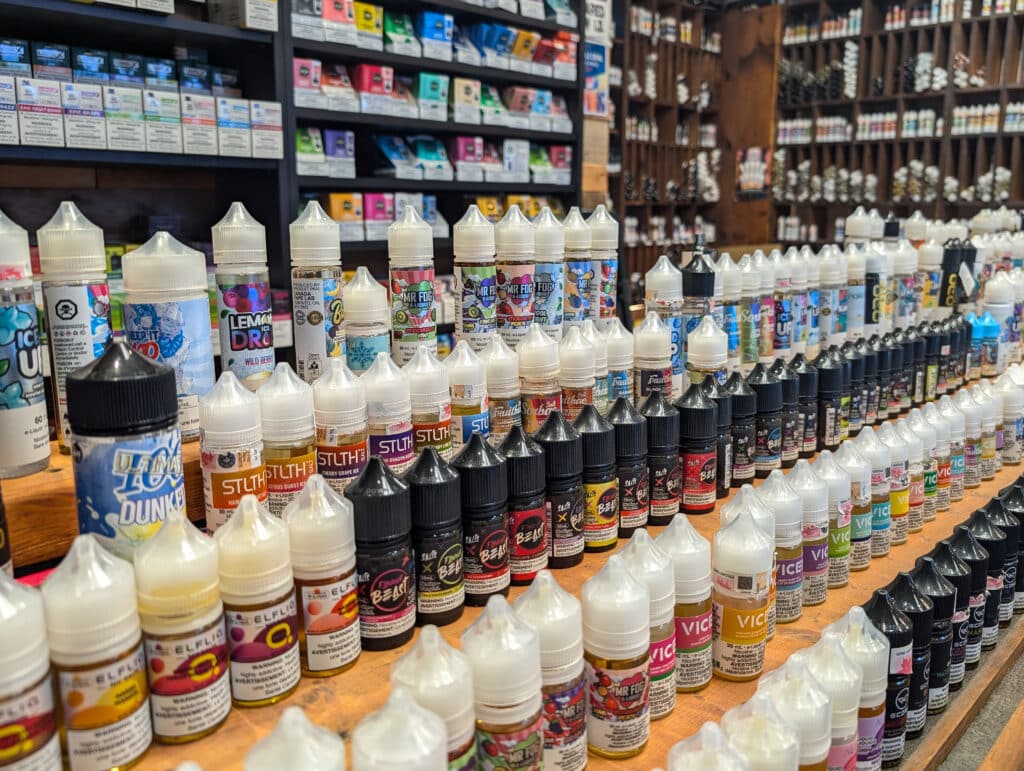
Regarding vaping products, a six-week public consultation has been launched, in order to collect proposals from civil society on imports, pre-market assessment, product identification, packaging and advertising.[1]. Australian health associations, which have been calling for progress on e-cigarettes for years, have immediately responded to this call. Many proposals have already been suggested, such as respecting the cessation of all imports, personal or professional, and the sale of e-cigarettes, with the exception of people with a prescription for smoking cessation, provisions which have already been enacted.[2]. The alignment of electronic cigarettes, with or without nicotine, with the legislation on tobacco products is considered necessary, whether it concerns packaging or advertising, promotion and sponsorship. A limitation of nicotine concentrations in e-liquids to 20 mg/ml, instead of 100 mg/ml currently, is also recommended. Finally, it is desired to impose greater transparency on electronic cigarette producers, in terms of the composition of the products, emissions produced, sales volumes, prices, advertising and sponsorship.[3].
A country in the midst of a pediatric epidemic, due to “puffs”
Professor Steve Robson, president of the Australian Medical Association (AMA), welcomed the move and took a swipe at the previous government: "The failure to overhaul permissive laws to curb the tobacco and vaping industry has been a missed opportunity for public health policy over the past decade, leading to the creation of the next generation of young people addicted to nicotine."[4]
Although the importation, sale and possession of electronic cigarettes are in principle already restricted, since 1er October 2021 in Australia, to persons with a prescription, this law seems to be poorly applied. As in other countries, the epidemic of disposable electronic cigarettes ("puffs") seems to have particularly affected young people, adolescents and even Australian children. The case of a 13-year-old adolescent contacting the helpline for smoking cessation because of his addiction to puffs moved public opinion as well as caregivers. Some pediatricians report that they now systematically include questions about the use of puffs in their consultations, given the increasing number of situations of withdrawal and addiction affecting adolescents or children.[5]In order to circumvent sales restrictions, many electronic cigarettes are labelled by their manufacturers as being nicotine-free but still contain nicotine, thus trapping consumers, particularly young people.
Keywords: Australia, youth, plain packaging, regulation, prescription
©Generation Without TobaccoMF
[1] Davey M, Beazley J, Australia to consider tougher nicotine e-cigarette import and labeling laws to tackle teen vaping, The Guardian, published November 29, 2022, accessed December 1, 2022.
[2] VicHealth, VicHealth welcomes the Australian Government's announcement of new legislation to reduce harm from tobacco and e-cigarettes and protect Australians from the predatory tactics of Big Tobacco, published December 1, 2022, accessed December 1, 2022.
[3] Cancer Council, Cancer Council welcomes new reforms that will bring Australia's tobacco control into the 21st century, published November 29, 2022, accessed December 1, 2022.
[4] AMA, AMA welcomes government moves to tighten tobacco and vaping laws, published November 30, 2022, accessed December 1, 2022.
[5] Davey M, Rose T, Australian government to crack down on nicotine e-cigarettes as rates of teen vaping skyrocket, The Guardian, published November 29, 2022, accessed December 1, 2022.
National Committee Against Smoking |