Albuquerque is suing tobacco manufacturers over cigarette butt pollution.
September 6, 2026
Par: National Committee Against Smoking
Dernière mise à jour: September 1, 2026
Temps de lecture: 4 minutes
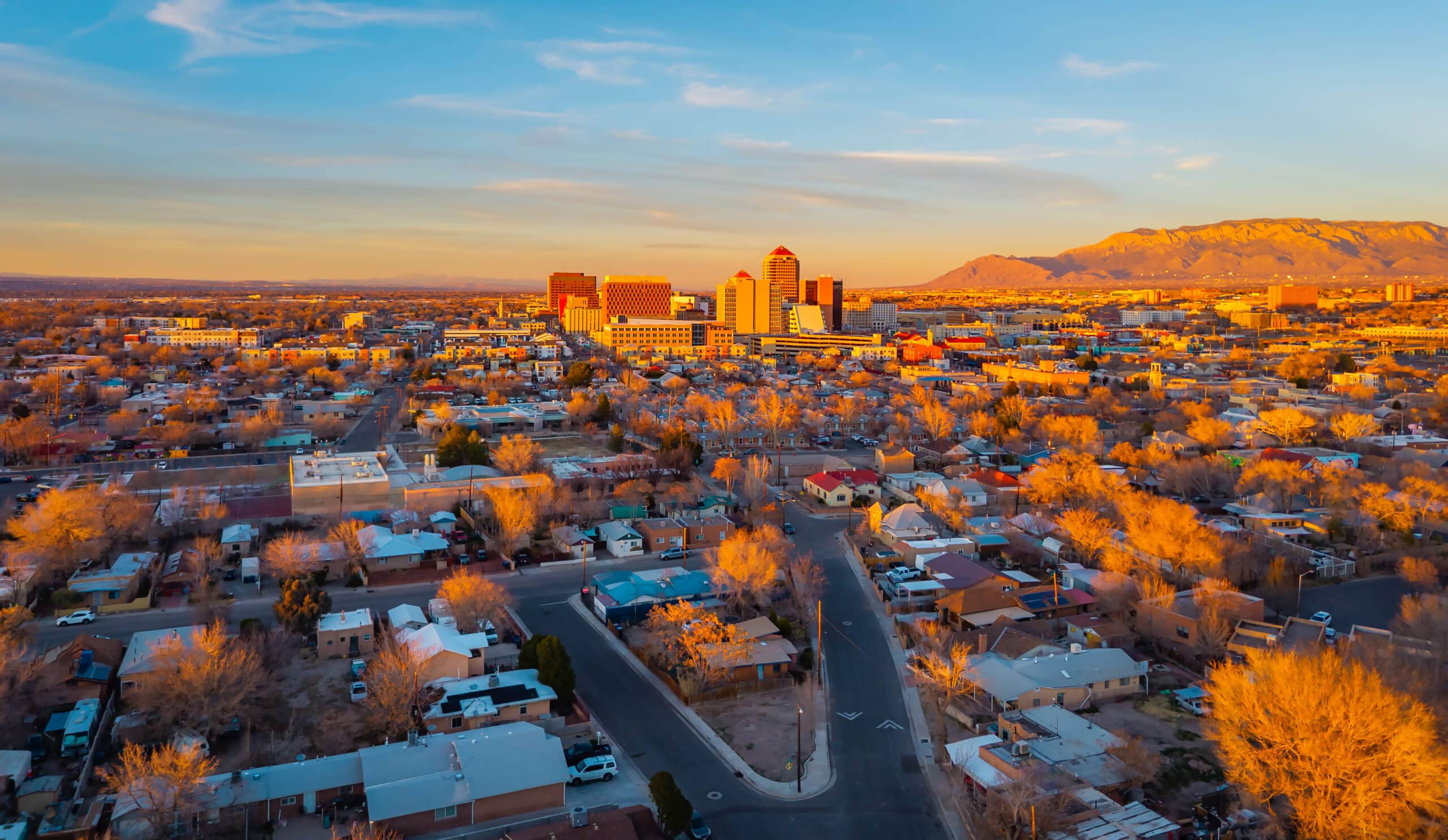
The city of Albuquerque, New Mexico, has joined Denver and Fresno, California, in legal action against cigarette manufacturers regarding pollution generated by plastic filters.[1]. Municipalities believe that manufacturers have not sufficiently considered the environmental consequences of these products and that local authorities should bear the costs of collecting and cleaning up these toxic products.
Cigarette butts, a type of waste widely present in the environment
Cigarette butts are regularly discarded in public spaces, with some consumers mistakenly believing they are biodegradable. In reality, the cellulose acetate filters, which contain plastic, persist in the environment and can be carried into storm drains and waterways. Furthermore, they are toxic and can release nicotine, heavy metals, and other chemicals into the soil and water.
Every year, 4.5 trillion cigarette butts are discarded in nature. The Ocean Conservancy's most recent report ranks cigarette butts as the 2nd most polluting waste product.e They rank first in the world for beach litter, with approximately 1.2 million units collected. In the United States, they come in first place, with 355,561 cigarette butts collected during recorded operations.
Health and environmental costs to be borne by local authorities
Albuquerque states that it is seeking to recoup some of the funds spent on cleaning streets, parks, and stormwater systems. The city also wants to encourage manufacturers to change their practices.
" It's a public health issue, whether it's a child finding a cigarette butt in a park, the lack of biodegradation of cigarette butts in our soil, or the contamination of our river affecting our fish. »" said Lauren Keefe, the city's attorney.
Representatives from the Center for Public Health Law at Mitchell Hamline School of Law in Saint Paul, Minnesota, point out that previous agreements related to the health consequences of smoking did not specifically address the issue of filters. They note, however, that plastic filters have been favored by manufacturers in an effort to expand their markets.
Increasing pressure on tobacco manufacturers in the United States but also in the European Union
The action taken by Albuquerque is part of a broader trend: several American communities are now seeking to hold manufacturers responsible for the environmental costs associated with cigarette butts and to enforce the polluter-pays principle. In 2022, Baltimore, Maryland, initiated the first procedure of this type. In 2026, Sacramento County and the city of Fresno in California have also committed to this path. Lately, Denver has also launched proceedings against several manufacturers, believing that the pollution generated by plastic filters imposes significant costs on communities.
The issue of collecting and cleaning cigarette butts is one of the major environmental damages caused by tobacco products. Many civil society organizations, working in both the environmental and public health sectors, advocate for a policy of eliminating waste at its source. In this context, banning plastic filters is an urgent measure for these organizations. The process of revising European directives on tobacco products and reducing plastic pollution must incorporate this dimension, emphasizes the CNCT, a member of this international alliance. Countries like Belgium are also beginning to move in this direction.
Beyond cleaning up cigarette butts, these initiatives therefore raise the question of manufacturers' responsibility and the need to prevent pollution at its source: reducing waste is not just about collecting it better, but also about acting on the design, marketing conditions and use of products.
AD
[1]Keller Administration Goes After Cigarette Companies for Litter in Streets, ABQ RAW, published on August 27, 2026, accessed on August 31, 2026